Tom Clancy's The Division 2 New Player Essential Guide: Level Up from Zero to Max Without the G
New players jumping into The Division 2 aren’t actually scared of failing to kill enemies—they’re scared of spending hours and having no clue what they’re even doing. As a veteran who’s logged hundreds of hours and stepped on every possible newbie trap, this guide will walk you through everything from version choices, leveling paths, skill specializations to gear builds and Dark Zone play, helping you avoid mistakes, save time, and get off to a smooth start.
The Division 2 is definitely the kind of game that looks like a regular shooter at first, but once you play it, you realize it’s all about gear grinding and build crafting. On the surface, you’re clearing out strongholds, defeating factions, and pushing the main story in Washington D.C.—but that’s actually just the start of what will hook you hard.
-
When you put together a build of skills, weapons, and gear stats, running the same dungeon will go from “almost wiping the whole team” to “as easy as gardening in your own backyard.”
-
Once you get the hang of build logic, difficulty levels aren’t walls blocking your way—they’re steps to climb up: Normal, Challenging, Heroic, Legendary. Each tier feels like an entirely new game, a league of its own.
-
When you enter the Dark Zone, you’ll truly learn what “humans are scarier than AI” means: you think you just grabbed a god-tier gear, but before the extraction helicopter even arrives, a veteran player camping the spot takes it from you. Instant rage mode.
And the endgame content of this game is never dry: seasonal events, Manhunt missions, various dungeons and modes come out in rotation. The devs keep updating content and hosting events, so you’ll never run out of things to do after playing for a while.
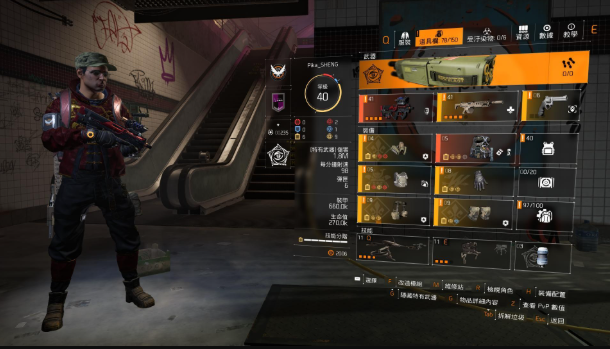
I. Opening Chit-Chat & Quick Background Talk
A. Core Situation Breakdown
Let me be real with you: 99% of new players stuck in The Division 2 aren’t failing because their aim is bad—they’re stuck because they have zero clue how to make decisions.
You’re definitely gonna run into a bunch of questions:
-
“I picked up so much gear—what should I even keep?”
-
“There are so many skills—what should I take?”
-
“How do I level up as fast as possible?”
-
“What do I do after hitting max level? Why is everyone talking about SHD, Specializations, and the Calibration Station?”
So in this guide, I’ll use my own experience as a player who’s been through every beginner mistake to bring you all the way from newbie to understanding endgame content. At minimum, you’ll know what to do every day, why you’re doing it, and how it makes you stronger.
B. Game Background & Core Features
The game’s background is actually pretty simple: the world is in chaos, order collapsed, and you’re an Agent tasked with restoring order. Sounds pretty positive, right? But what you’ll actually be doing every day is something like:
‘Take out a bunch of maniacs with shotguns, tough guys throwing molotovs, and robots in heavy armor, then pick up a pair of gloves that add 2% critical hit damage. My inner monologue: Whoa, that’s exactly what I was missing!’
I’ll break down the core features in four sentences:
-
Cover Fire + Skills: You don’t fight alone; you’ve got all sorts of gadgets to help you take down enemies easily.
-
Gear-Driven: How strong you are depends on the builds you put together—not just your level.
-
Layered Difficulty: The more you know about builds, the more efficient and fun you’ll find the game content.
-
PVE & PVP Coexist: You can be a pro at clearing dungeons, or a hunter camping players in the Dark Zone.
C. New Player Quick Start Guide
If you were my friend, here are three things I’d tell you first:
Part 2: Game Versions & Getting Started Choices
A. Game Version Comparison & Recommendations
-
Finish the Main Story First: Don’t rush to grind for gear—you’ll replace everything you pick up super fast anyway.
-
Stick to two skills at first: One for survival, one for clearing enemies. That’s all you need.
-
Don’t copy pro builds yet: You don’t even know how the Calibration Station works, so copying them won’t do you any good.
- When choosing a version, let me put it plainly like a regular player would: If you plan to play this game long-term, you must first figure out what endgame content you can access.
The key here is actually about "level progression and endgame content":- For a long time, a lot of endgame content was tightly tied to whether you owned the Warlords of New York expansion.
- But with the Year 6 update, the core direction is clear: Once your character hits Level 40, even if you don’t own the Warlords of New York expansion for Tom Clancy’s The Division 2, you’ll still get access to plenty of endgame activities.
- For casual players who just want to enjoy the main story and complete regular missions: The base game is more than enough to have a great time.
- For players who want to grind for endgame loot, enjoy seasonal content, and plan to play long-term: You at least need to make sure you can hit Level 40 and jump into the endgame loop. The entry barrier is way lower now than before, but if you want the full long-term experience, you’ll appreciate having the expansion’s content to back you up.
B. Character Creation & System Settings
You can tweak your character’s looks however you want, but you must optimize your in-game settings:
1) Field of View / Sensitivity
New players’ most common mistakes: getting stuck on walls and losing sight of enemies, being too slow to react to flanking attacks, or missing opportunities because your turn speed is off.
I recommend adjusting these two first:- Set your aiming sensitivity to a level where you turn quickly enough, but not so fast that you can’t keep control.
- Lower your scoping sensitivity a bit more to make it easier to control your recoil and shoot accurately.
Turn on the info you actually need:- Ammo type, armor bars, skill cooldown timers.
- Don’t set your minimap zoom too small, or you’ll never tell where those red enemy markers are pointing.
Do you want to play "cover-based combat" or "run-and-gun"? Both styles are fun, but I recommend cover-based play for new players—it’s more forgiving and you won’t get taken out as easily.C. Common Mistakes New Players Should Avoid
- Don’t go for flashy skills right away: Skip tricky, high-maintenance skills at the start—pick skills that are stable and easy to use.
- Don’t jump between weapons too quickly: Stick to one primary weapon you’re comfortable with first, and you can figure out a secondary weapon later.
- Focus on armor and survival stats first for gear: Your biggest enemy early on isn’t low damage—it’s dying over and over.
Part 3: Fast Leveling & Progress Planning
A. Leveling Methods & XP Sources
These are the main sources of XP for leveling up early:- Main story missions.
- Side missions.
- World events like capturing control points, public execution targets, or disruption broadcasts.
- Project missions, plus daily and weekly challenges.
Don’t flip things around at the start and grind world events nonstop—you’ll end up feeling like a delivery person, running around nonstop without enjoying the story progression.B. Fast Leveling Tips
The core goal during leveling is to "keep moving forward," so here are three key tips for fast leveling: 1) Don’t chase top-tier gear between Levels 10 and 30
Gear levels jump around a lot in this range—so-called "god rolls" you find today might get replaced by a higher-level white item tomorrow.2) Prioritize Weapons You Can Actually Hit Shots With
Damage per Second (DPS) doesn’t just rely on your gear’s stats—your accuracy is just as important.
A super common noob mistake is grabbing a high-damage sniper rifle and thinking you’re a crack shot, only to land every bullet in a wall. That’s so cringey.3) Master Your Skill Rotation Early
The better you get at using your skills, the faster you’ll progress through the game. As for picking skills? I’ll share a “noob-proof all-around setup” in the next section.C. Endgame Progression System
Hit Level 40, and you’ve only just entered the real game:
This isn’t just a level cap—it’s when the long-term growth phase begins.The devs explain it clearly: Finish the main story and hit Level 40, and you unlock Keener’s Watch plus the SHD Level system, a long, cumulative progression track. The community’s common take on this is:
“Finally hit max level? Don’t cheer yet—you’re not done. This is when the real gear farming starts.”
This is when you need to plan seriously: A damage-focused build? A tank build? A skill build? Or a hybrid? Because the gear you farm from here on out is the endgame set you’ll actually use long-term.
IV. Skills & Specialization System
A. Skill System Explained
There are tons of skills in The Division 2, but new players don’t need to try all of them at once.
The core needs are actually super simple:
You need to cover survival, clearing regular mobs, and handling elite enemies during key combat scenarios.I’ll break them down by in-game function so new players understand instantly:
-
Survival-Focused: Skills like the Medic Hive, Chem Launcher, and Riot Shield—they extend your survival time.
-
Clear-Focused: Turret, Assault Drone, Sticky Bombs or explosive skills—made to mow through hordes of regular enemies quickly.
-
CC/Problem-Solving: Pulse, Disruptor Foam or similar skills—for handling tricky combat situations.
Recommended Noob-Proof Skill Set:
-
Turret + Assault Drone: Total no-brainer for lazy players. AI handles the damage for you, you just hide behind cover and tap to shoot—zero extra hassle.
-
Medic Hive + Damage Skill: If you keep getting taken down, bring the Hive first for survival—you can’t deal damage if you’re dead.
B. Specializations & Talents
Specializations basically mean this:
Pick a dedicated playstyle path, get unique specialized weapons and bonuses, and your playstyle becomes way more defined.The secret to picking a Specialization as a noob is super simple:
-
If you love up-close, hard-hitting full-auto gunplay: Pick a Specialization that boosts weapon damage.
-
If you’re into skill builds, love spamming skills like they’re spells: Pick a Specialization that speeds up skill rotation and boosts their damage.
-
If you’re super cautious and prefer playing safe: Pick a Specialization that improves your survival and helps the team too.
You don’t need to overcomplicate things at first—just pick the one that feels most fun, and you can swap anytime later.
C. Skill Synergy
For skill builds, here’s a super practical rule of thumb:
Your second skill must always fix the weaknesses of your first skill.Let me show examples to make it clear:
-
You brought a Turret? Pair it with an Assault Drone or a healing skill to fix its immobility issue.
-
You brought a Riot Shield? Your second skill should be crowd-controlling or healing—otherwise you’re a sitting duck when pushing up close.
-
If you want a skill build, pick two skills that work together—otherwise you’ll just stare at nothing when your skills are on cooldown.
V. Gear & Loadout System
A. Gear Quality & Categories
Gear looks complicated, but really, it’s core
Here’s the main thing to keep in mind:
-
Branded Sets: Equip 2, 3, or 4 pieces to unlock their corresponding bonus effects.
-
Gear Sets: Usually, equipping 2, 3, or 4 pieces will give you more noticeable gameplay boosts.
-
Core Attributes: There are three types: Red, Blue, and Yellow. In gamer terms, it’s simple:
-
Want to deal damage → Prioritize Red attributes
-
Want to stay alive and tank damage → Prioritize Blue attributes
-
Want stronger skill damage and smoother playstyle → Prioritize Yellow attributes
New players’ most common mistake is:
Mixing Red, Blue, and Yellow attributes randomly, ending up with none of them being effective enough to trigger any meaningful effects.
It’s not that you can’t mix them, but it’s better to have a main build direction first if you want to feel like your build works.B. Early-Game Gear Recommendations
Levels 1–40:
-
Equip the gear with the highest item level first to boost your Armor and base Firepower.
-
Swap out any weapon that feels really good to use immediately—something that fits your playstyle matters more than blindly chasing higher stats.
-
Don’t waste all your materials on low-level gear—save some for when you upgrade later.
Right after hitting max level:
I recommend putting together a basic set that can handle Challenge difficulty, because once you hit Challenge, gear quality, mob efficiency, and overall gameplay feel get a big upgrade.
You don’t need perfect gear right now—just get:-
Consistent Damage
-
Basic Survival
-
Skill Availability
C. Gear Optimization Guide
Later on, you’ll come across terms like “Calibration,” “Recalibration,” and “Extraction.” Don’t panic—I’ll explain them in gamer terms:
-
Calibration: Swap one attribute on a piece of gear for the one you want.
-
Extraction / Database: Store great attributes you’ve picked up in your gear database so you can use them later when calibrating.
Attribute Optimization: Tinker with your desired values little by little until they’re maxed out.
New players should follow this proper timeline:
-
Fill up your backpack with gear until your database slots are all full
-
Prioritize making a usable, finished gear set—don’t chase the meta perfect set right away
-
Wait until you can comfortably farm high-difficulty missions before going for the most extreme, min-maxed stats
VI. Weapons & Attribute Systems
A. Weapon System Breakdown
I won’t bore you with jargon—here’s how they actually play:
-
Assault Rifles (AR): All-rounder with good range, works in every situation
-
Light Machine Guns (LMG): Insane suppression power, very forgiving playstyle, but the downside is slow reloads so you need to position carefully
-
Submachine Guns (SMG): Super strong at close range, but the key is being brave enough to get up close and flank enemies
-
Marksman Rifles / Sniper Rifles: Very high ceiling, but super demanding for new players who need good aim and positioning—harder to master
New players asking “which weapon to start with for safety?”:
Stick to ARs and LMGs first—they’re the most reliable.
B. Attribute Systems
Core attributes you’ll see on weapons and gear are mostly these categories:
Damage Attributes:
Critical Hit Chance / Critical Hit Damage
Weapon Damage
Damage against Unarmored Targets
Armor Penetration / Armor Damage
Survival Attributes:-
Armor Rating
-
Armor Regen / Armor on Kill
-
Explosive Resistance, Elite Enemy Damage Resistance
Skill Attributes:
-
Skill Tier
-
Skill Damage
-
Skill Cooldown Reduction
Newbie Trap: Don’t get hyped by flashy stats—they might not fit your build at all. Ask yourself first: “Is my build meant to win with gunplay, or rely on Skill Damage?” The answer changes everything—your priority stats are night and day!
C. Weapon & Skill Synergy
Most of the time, getting stronger isn’t about swapping for a top-tier weapon—it’s about pairing your weapons and skills perfectly:
-
If you’re using an AR for consistent mid-range damage → run a Turret or Drone Skill to boost your output and draw enemy fire
-
If you prefer close-quarters SMG rushes → go for a Shield and crowd-control Skill so you can get in tight safely
-
Skill-based builds → pick weapons with good stability to fill the damage gap when your Skills are on cooldown—don’t be a sitting duck when your Skills are down!
VII. Daily & Resource Systems
A. Daily Missions & Activities
Once you hit max level, newbies often get overwhelmed by all the icons and event names on the map—they have no clue where to start. Here’s my “no-brainer daily checklist”:
-
Daily/Weekly Projects: Grab your guaranteed base resources first—don’t skip these!
-
Seasonal Content: Hunt Missions, Event Objectives, and all seasonal-exclusive activities!
-
Countdown Activities: Super efficient for farming gear, and they flow really well!
-
Control Points / Open World Events: Great for materials and XP if you’re short on either—super practical!
-
Challenging? Go for Heroic/Legendary Difficulty: Don’t dive in head-first—lock in your daily efficiency first before tackling these!
B. Resource Acquisition & Management
Three super common pain points, I’ve got quick fixes for each:
1) Full Backpack Frustration
You pick up a bunch of “meh” gear and end up with a full pack—so annoying.
Fix:-
Decide your build direction first!
The basic rule for early-game gear: Dismantle or sell any gear that doesn’t fit your planned build to get resources. If it has solid stats, add it to your stash immediately—don’t miss out on good gear!
2) Running Low on Materials?
A common newbie mistake is wasting precious materials on unfinished gear—only to realize later you have nothing left for gear calibration or optimization. Total regret.
Solutions:-
Stick to a stable, easy-to-farm starter set—no need to chase perfection!
-
Save your materials instead of wasting them. It’s way more worth it once you lock in your build direction!
3) Time Management Tips
You don’t need to do every single activity—really! Just pick the ones with the best return and you’ll already be more efficient than 90% of new players.C. Base & Camp Systems
Your base isn’t just for show! It unlocks tons of key features: Unlocks core game functions
-
Offers various NPC services, like gear recalibration, material exchanges, etc.
-
It’s the hub for lots of in-game resources and system entrances.
One of the easiest things new players miss: even after you finish the main story, make sure to head back to the base regularly to sort your gear, recalibrate stats, and stash your good gear in the database. Think of the base as your ready-to-go prep station—so you won’t end up drowning in junk loot out in the field with nowhere to handle it, y’know.
VIII. Raids & Difficulty Systems
A. Raid Strategy Guide
When you crank up the raid difficulty, 9 times out of 10, you’ll die not because your DPS is low, but because you’re not doing these things right:
-
Standing in the wrong spot and getting swarmed by enemies
-
Not focusing on the key targets that can one-shot you first
-
Spamming your skills randomly so when you need them for critical moments, they’re on cooldown
You need to pick up these three habits ASAP—they’ll make such a huge difference for new players:
-
Clear the most threatening target in the current area first
-
Always keep an escape route open—don’t box yourself in
-
Treat your skills as life-saving tools, not just for fancy spam shows
B. Co-Op Gameplay
A lot of *The Division 2* content is way better with teammates:
-
Having someone for crowd control, someone healing, and someone dealing main damage makes the whole team way more forgiving—way less likely to wipe
-
Gear farming is faster too—you can pass unwanted gear to teammates who need it
But when new players join a team, remember:
First, don’t hold your team back
You don’t need to deal the most damage to be a good team member—just do these things and you’ll be fine:
-
Don’t charge into enemy packs randomly
-
Keep an eye on your health—don’t run around when you’re almost dead
-
Make sure to take out the targets you’re supposed to—don’t let your teammates waste their time
That way, teammates will be way more willing to run with you later.
C. Raid Rewards & Gear Drops
The right way to do raids is like this:
-
First, farm a starter gear set that can handle harder raids
-
Then use harder raids to farm better gear
-
Only then go for perfect rolls and gear optimization
If you try to go for perfect rolls right from the start, you’ll just get burnt out and feel like the game is against you.
IX. Dark Zone & PVP Systems
A. Dark Zone Overview
The Dark Zone’s appeal is simple: high risk, high excitement, high reward
Gear you pick up in regular PVE maps is yours forever; but in the Dark Zone, gear you find is only in your inventory temporarily—you have to extract successfully via helicopter to actually keep it.
That’s why the most common scenario for new Dark Zone players is:
「I found an insane piece of gear → Call in the extraction helicopter → Get backstabbed/looted by a random player → I stare at the screen for three seconds」
This is totally normal—The Dark Zone is all about learning to read situations, pick your movement paths, time your extract right, and don’t trust random strangers.
B. PVP Combat
The biggest differences between PVP and PVE are:
-
In PVE, you can stack all damage because AI behavior is predictable
-
In PVP, you need to balance survival, resistance, burst damage, and crowd control—players will target your weaknesses on purpose.
If new players want to try PVP, here’s my advice:
-
Use a build that leans toward tank + consistent damage to practice
-
First learn to survive and retreat—know how to take cover from attacks
-
Don’t go for 1v1s or 1v2s at first—surviving without dying for no reason is a big win.
C. PVP Newbie Tips
PVP newbies can start with the basics
When you're starting out in The Division 2, don't rush to push aggressively. Use cover to stay protected, watch your opponents carefully, and pick your moment to strike.
-
Dark Zone Never Fill Your Backpack With Gear!: New players stepping into the Dark Zone for the first time, don’t stuff your most precious god-tier gear and high-value resources into your backpack to bring it over!
-
Be Cautious If The Exfil Point Is Too Quiet!: If there’s no enemy noise around the exfil point, don’t let your guard down—there might be players waiting to ambush you!
-
Listen For Gunshots And Watch The Minimap!: The Dark Zone is essentially an “information war”—using sounds to track enemy positions and checking the minimap for movement are super important details.
-
It’s Best To Team Up With People You Know!: You can team up with strangers temporarily, but having regular teammates as a new player is way more reliable and makes the experience way better.
X. New Player FAQs & Common Questions
A. Basic New Player Questions
Q1: Should New Players Buy The 'New York Warlords' DLC?
A: Absolutely yes if you plan to play long-term and want to experience the full endgame content! Especially since the game is in Year 6 now, a lot of endgame content is accessible to more Level 40 players. Getting the DLC will make your progression and playstyle system more complete, so you won’t miss out on all the great endgame content ahead.
Q2: Should I Spend Time Farming Gear While Levelling Up?
A: No way! Gear changes so fast during the levelling process. Just use whatever gear feels good to you and has enough armor—don’t waste time grinding for super high-level gear.
B. Progression & Build Questions
Q3: What Should I Do First After Reaching Max Level?
A: After maxing out, focus on unlocking long-term progression systems first, then put together a beginner Build. That way you can consistently tackle Heroic difficulty missions. When you hit Level 40, you’ll unlock long-term growth content like the SHD Level system, so there’s plenty to work toward later.
Q4: Should I Go With A Gun Build Or A Skill Build?
A: Depends on the playstyle you enjoy:
-
Gun Build: Focus on shooting and recoil control the whole way—this is an aggressive, fast-paced playstyle that feels super exciting.
-
Skill Build: Focus on crowd control and skill rotations, this is a more strategic playstyle perfect for players who like to plan and think ahead.
C. System & Mechanics Questions
Q5: What Exactly Is The Calibration Station For?
A: Its main function is to replace a specific stat on your gear with one you need. Pair it with your database to save good stats, and you’ll find it super useful the longer you play.
Q6: I Picked Up A Ton Of Different Colored Gear—How Do I Decide What To Keep?
A: First figure out what build you want to go for! If your build doesn’t match, even a high-end gold piece of gear will just sit idle in your stash wasting space.
D. Key Things New Players Need To Know
-
Don’t waste time grinding for gear while levelling up
-
Master your skill operations first
-
Put together your dedicated build seriously after maxing level
-
Save good stats to your database for later use
-
In Dark Zone, prioritize survival over looting resources first
-
Just stick to daily high-reward loop missions, that’s enough to keep you busy
XI. Advanced Loadouts & High-End Gameplay
A. Advanced Loadout Breakdown
Once you’re skilled enough to consistently clear Heroic missions, you’ll start thinking about these advanced questions:
-
Can you clear mobs faster?
-
Can you stay alive more consistently without wiping the team?
-
Can you handle more content with a single build?
This is when your advanced direction will split into three types:
-
High DPS Speed Clear Build: Focus on clearing mobs fast to improve gear farming efficiency
-
High Survival & Low-Fail Build: Perfect for high-difficulty Legendary missions or when running with new players
-
Functional Problem-Solving Build
: Raid activities designed to tackle specific mechanics
You don't need to craft all three builds at once. Just make one build that fits the activities you play most often, and it'll massively boost your game experience!
B. High-Difficulty Raid Guides
Actually, the core challenges of high-difficulty raids boil down to these few points:
-
Enemies deal more damage, have tougher defenses, and love spamming skills constantly
-
If you stand in the wrong spot, it’s super easy to wipe the whole team directly
So the most important thing for clearing high-difficulty raids isn’t stacking higher damage (DPS) — these three points matter more:
-
Prioritize target kills
-
Manage your positioning well
-
Master the skill rotation rhythm
Many new players feel super frustrated on their first high-difficulty raid — that’s totally normal! Just remember the three rules: don’t rush in blindly, don’t chase enemies around, don’t hoard resources, and the difficulty will drop by half right away.
C. Tips for Advanced Players
Advanced players can try mixing different build archetypes. Once you find a playstyle that fits your groove, tweak the details slowly, and it’ll make your game experience way smoother!
After playing *Tom Clancy’s The Division 2* for a while, veteran players almost all fall into two distinct play paths:
-
Efficiency First Type: They grind the highest-reward activities and raids every day, and always prioritize build optimization for maximum efficiency
-
Completionist Type: They focus on collecting rare gear, unique cosmetics, and all achievements. Their playstyle is slower but full of a sense of fulfillment — they enjoy every step of the collection fun
Actually, you don’t have to force yourself to pick one type. Just choose the playstyle that feels comfortable to you.
The key reason The Division 2 is so replayable is its flexible design. Never turn yourself into a robot that clocks in like work, and forget the fun of the game itself
XII. Version Updates & Long-Term Plans
A. Latest Updates & Content
The developers will keep rolling out seasonal content and limited-time events. For example, the official website news in December 2025 released info about Season “Mutiny”, and a limited-time crossover event launched in January 2026.
Many players think: “Jumping in now is definitely not entering a game graveyard — content keeps updating, and various events and returner perks are super friendly to new players”
Jumping in now is definitely not entering a game graveyard. The game keeps updating content, and various events and returner benefits are extra kind to new players — you don’t have to worry about falling behind other players at all
Also, the Year 6 game plans clearly state: when players reach max level 40, more endgame activities will open for players of different levels, so maxed-out newbies won’t be stuck only doing single content types
B. Current Game Environment
For new players, you don’t have to memorize which gun is the strongest or which gear set you must farm right from the start. It’s recommended to master three core things first:
-
The loop logic of endgame content
-
The accumulation rules of the gear system
-
How to integrate into multiplayer content
Once you get these three things down, you’ll naturally start to get the hang of the current meta rhythm — there’s no need to rush for the highest strength at the beginning
Phase 3: The Consistent Gear Farming Phase
-
Get a second dedicated Build ready
-
Start chasing gear optimization and perfect rolls
-
Just jump into the Dark Zone whenever you feel like it—no need to force yourself to follow the crowd
If you only remember one thing from this guide, let it be this:
The key to making new players strong in The Division 2 isn't grinding nonstop—it's getting your progression pace right
Once you finish the main story, get your skills down, plan your Build after hitting max level, slowly build up your gear collection, and run high-reward loops daily—you'll definitely realize how rewarding this game is: A stronghold that once made you so mad you wanted to throw your controller, you can now clear it easily with one setup, and even bring other new players along for the ride
If you want a more precise personal plan, I can give you a fully custom-tailored guide for you:
You only need to tell me three things—
-
Your current level
-
Your usual favorite playstyle
-
Your current sticking point
I'll provide you with a plan like a personal coach: Beginner Build direction + daily game route + list of stats you absolutely must keep