Civilization: Alliance Era - A Complete Guide for New Players: From City-Building to Alliance Domina
Hey all strategy game lovers! Today I’m super hyped to share a game I’ve been totally obsessed with lately: Civilization: Eras & Allies (it’s still in the official naming phase, so that’s its working title). I’ll keep this casual—just like chatting with a friend—we’ll go step by step from downloading and installing, beginner basics all the way to late-game high-level alliance battles. I’ll help you avoid common mistakes and get up to speed fast! Even though this game hasn’t been out too long, it’s really polished across the board: game structure, resource systems, city-building, combat, and alliance features are all top-notch. If you’re into city-builders, strategy, and team play, this one will hook you hard! Enough talking—let’s start with the basics!
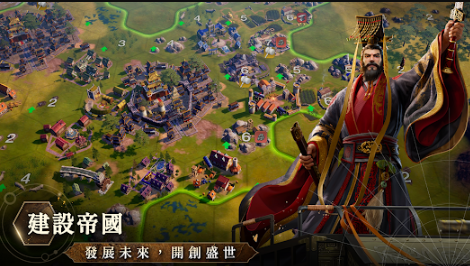
I. Game Overview & Platform Support
A. Worldbuilding & Core Gameplay of Civilization: Eras & Allies
Developed by the renowned studio 2K Games, this mobile and PC simulator game carries on the classic Civilization spirit, blending all the hit genres you love: city-building, resource management, alliance teamwork, and massive PVP strategy battles. In this game, you’ll pick a unique civilization, build your empire, research advanced technologies, recruit powerful heroes, and work with your alliance mates to conquer the world and expand your territory. The core gameplay covers:
-
Plan and build your own city, manage resources, population, and various building layouts
-
Train military units, research technologies, and battle against other players
-
Join or create an alliance freely, team up with other players to grow your empire or compete against each other
-
Progress through different "Eras" as you play, unlocking new units and various challenges
Overall, if you love the immersion of building an empire from scratch and watching it grow gradually, rather than just grinding levels or joining random matches, this game is definitely worth checking out!
B. Supported Platforms & Download Methods (iOS / Android / PC Simulators)
-
Mobile Version: Available on both iOS and Android—just search for "Civilization: Eras & Allies" to download
-
PC Simulators: If you’re used to playing mobile games on simulators, you’re all set—Google Play’s version supports simulator installation
-
Multilingual Support: Currently supports English, with more regional languages coming soon. Traditional Chinese is still being optimized, but the interface is pretty intuitive overall, so new players can pick it up quickly
C. Multilingual Support & Traditional Chinese Interface
The game is currently region-locked in some areas, but according to official website and community updates, multilingual support is constantly being improved. For players in Taiwan and Hong Kong, the Traditional Chinese interface is a huge plus—we recommend checking your language settings in-game and keeping an eye out for future updates!
II. Empire Building & Resource Management
A. City Planning & Building Upgrade System
When you start the game, your city is the core foundation of your growth. You’ll need to build different types of buildings: resource-producing structures (like farms, lumber mills, mines), population buildings (like houses, town halls), military buildings (like barracks, fortresses), etc. Here are some early-game tips:
-
Focus on building resource producers first—basic resources are super scarce in the early game
-
Next, build population/housing structures—you need a higher population cap to unlock more advanced buildings
-
Finally, upgrade barracks/defenses to get ready for future attacks and defense
Upgrading buildings not only unlocks new features but also gives you new units, so it’s a must-do part of growing your empire!
B. Resource Production (Food, Wood, Stone, Iron, Gold)
There are many types of resources in this game: Food feeds your population, Wood, Stone, and Iron are used to build or upgrade buildings, and Gold is often used for trade or maintaining your military. Here are some resource management tips:
-
Boost your resource production as fast as possible—don’t get stuck in the mid-game due to "resource shortages"
-
Grab resource rewards from daily/activity quests to stock up faster
-
Once you join an alliance, you can trade resources with your mates to cover the resources you’re missing
C. Population Growth and Housing Construction
The population cap affects how many units you can train, what buildings you can unlock, and how many expedition teams you can send. Housing and municipal buildings are super important. Here are some tips:
-
Upgrade housing levels early to support more population while developing your base.
-
Keep population satisfaction high too. If some facilities cause negative effects, adjust your balance accordingly.
(Population Growth).
When you go on expeditions or pioneer new lands, there’s a chance to trigger population growth or extra event rewards—these help you expand your territory faster.
III. Military Systems and Combat Strategies A. Introduction to Military Units (Infantry, Cavalry, Archers, Magic Units)This game has tons of military unit types, including infantry, cavalry, archers, and magic units—each with a clear role:
-
Infantry is your basic frontline unit: great for defense, slow, so they’re perfect for holding lines, not fast assaults.
-
Cavalry’s strength is high mobility—ideal for hit-and-run attacks, but their defense is weak. Avoid direct fights with heavy armored units.
-
Archers are ranged units: they deal damage from far away, but their power depends on distance, so you need to protect them at the back from close attacks.
-
Magic units have unique skills: they can deal area damage and use targeted crowd control, which can turn the tide of battle. You need to pick the right unit combinations based on enemy units, terrain, and your tactical goals.
When fighting other players or alliances, sieging and defending are core to winning:
-
Defense phase: Prioritize upgrading walls and forts, deploy long-range units smartly, and use unit counters to minimize losses.
-
Siege phase: Send cavalry or mobile units to break through enemy lines quickly, then capture resource points to expand your foothold. Mastering unit counters and terrain advantages will get you way better results.
The game supports two PvP modes: alliance battles and 1v1 matches. There’s also a ranked season system, so you need to keep optimizing your army composition, unit pairs, and hero gear. Winning isn’t just about troop count—it’s about using the right strategies. Here are some tips:
-
Join a highly active alliance. You’ll get resource support and practice tactics with allies to get stronger fast.
-
Check leaderboards often, review your wins and losses to find your weaknesses and opponents’ strengths, then adjust your tactics.
-
Keep your troops training and upgrading—don’t fall behind the meta, or you’ll miss chances to get stronger.
Heroes are core to combat and strategy. The game has different hero rarities, each with unique skills and combat roles. Picking the right heroes boosts early development and determines your late-game power ceiling.
B. Hero Skills, Levels, and EquipmentEach hero has unique skills: area magic damage, single-target burst, or group support. Leveling up and equipping heroes makes them way stronger. Early game, focus resources on 1-2 strong heroes first, then spread resources to others later—don’t split resources too thin.
C. Team Composition and Battle SynergyPairing heroes with regular units has rules. Here are key principles:
-
Heroes form different lineups. A common setup is “main hero + two support heroes” to balance damage and defense.
-
Think about hero bonds or synergy skills. Pair right to unlock extra battle effects that boost your whole team’s power a lot.
-
Swap heroes when needed so your team handles different battle scenarios. Flexibility is key here.
The game’s tech tree is split into multiple branching paths, each offering unique advancements that boost your progress:
-
Military Tech: Boosts your troops’ attack and defense stats, unlocks new unit types, and supercharges your overall combat strength.
-
Economy Tech: Increases the production output and efficiency of all resources, ensuring you’ve got enough to fuel your growth down the line.
-
Society Tech: Raises your population cap, unlocks new building options, and boosts the defense of your city’s defensive structures.
-
Culture Tech: Grants various buffs, special abilities, and even alliance-wide bonuses. Every successful research pushes your civilization forward an era, unlocking more cool content to play with.
For the early game, we recommend prioritizing these research paths first:
-
Economy Tech: Ensures you have a steady stream of resources, laying a solid foundation for all your future growth.
-
Military Tech: Boosts your defense and counterattack capabilities, lowering the risk of being raided by other players.
-
Society/Culture Tech: Boosts your overall development efficiency and closes early-game resource gaps. We recommend a “stable first, attack later” approach – it’s way more effective than dumping all your points into Military Tech early on and running out of resources to keep up.
Tech and building upgrades go hand in hand – completing certain researches will unlock new building upgrades or stronger defensive structures. Never skip upgrading your defenses: losing resources to raiders is a brutal setback for new players that will kill your progress fast.
VI. Alliance System & Social Interaction A. Alliance Creation, Alliance Skills & TradeJoining an alliance brings tons of perks: resource support, alliance-wide skill bonuses, and backup from teammates in fights. Alliances can also set up exclusive bonuses or resource-sharing systems to help every member grow together. Here’s our advice:
-
Join an active alliance as soon as possible. If you’re a new player starting your own alliance, your early resource growth will be slow and it’ll be tough to scale quickly.
-
Actively participate in alliance events and trade – this not only makes your alliance stronger, but also gives you more resources and help you need to grow.
Alliances wage wars, compete for rankings, and fight over territory resources – this part of the game is way more interactive and fun than playing solo. You’ll need to coordinate closely with your allies, split up roles, and make battle plans together to stand out in these contests.
C. Diplomatic Relations, Treaty Signing & Declaration of War Mechanic
This game usually has diplomacy features like treaties and declaring war. Using diplomacy wisely will help you avoid being surrounded and attacked by other factions – you can sign defensive or offensive pacts to keep yourself safe and grow stronger.
VII. Economic System & In-Game Store Strategies A. Market System & Resource TradingBoth the game’s built-in trading market and the alliance-only internal trade platform let you turn extra resources into whatever you’re missing – it’s a great way to optimize your resource allocation.
B. Coupon Redemption, Double First Recharge & Monthly Card PerksNew players often run into common perks when starting out: double rewards for your first recharge, a monthly card that gives daily resources, and various limited-time coupon packs. Before spending money, check what events are active to make the most cost-effective decision.
C. Gems Spending, Gold Trading & AFK ProfitsWhile recharging can get you resources fast, if you make good use of “AFK profits + smart resource management”, you’ll slowly build up what you need. If you’re a free-to-play or low-spend player, make sure to grab free resources from daily quests, limited events, and alliance support.
VIII. Quest & Community Interaction A. Daily Quests, Weekly Events & Limited-Time EventsJust logging in, finishing daily quests, and joining limited-time events every day gives you resource boosts – these rewards add up huge over time and will help your growth a lot.
B. Achievement System, Medal Unlocks, and Leaderboard Competitions
The game has an achievement system, medal unlocks, and leaderboard competitions. Climbing those rankings not only gets you extra rewards but also makes the game way more fun and challenging!
C. Official Communities, Player Forums, and Update Announcements
Join the official X (formerly Twitter), Discord, or other player communities—you’ll score early access gift codes, grab helpful strategy tips, and meet like-minded players to team up with. This will make your whole gaming experience way richer and more awesome!
Alright! That’s this ultimate guide to *Civilization: Alliance Age* from a long-time player. I’ve got everything here: starting with game positioning and download setup, resource planning for city-building, hero leveling, tech research, all kinds of alliance interactions, plus the mistakes I made and the practical strategies I found out along the way.
Hey, the core rule for playing this kind of strategy game is **"Take it slow and steady"**: Don’t try to have everything perfect at the start. First, build a solid base, join a strong alliance, knock out quests, and participate in events actively. Once you slowly gather enough resources, train great heroes, and get along well with your alliance members, your empire will definitely thrive.
Finally, have a blast in this "Empire × Alliance × Strategy" world! Hope your city-building goes smoothly and your battles are epic! If you’re lucky enough to join a good alliance, maybe we’ll cross paths in the game! Come on, player—see you in the empire!