《Rise of Kingdoms》 Newbie's Complete Guide: From Early Game to Throne
Hey fellow strategy game lovers! Today I wanna share with you the mobile game I’ve been obsessed with lately—*Lords Mobile*! If you’re like me, hooked on castle building, hero recruitment, and those massive alliance wars that feel totally epic, this article is a must-read! I’ll be like a fellow player, chatting with you super casually, turning you from a total newbie who has no clue after downloading, all the way to a top-tier player in your alliance. We’ll break down the core gameplay and practical tips step by step. And hey, I won’t just cover the basic beginner stuff—we’ll also chat about mid-to-late game team builds, resource management, and building strategies too, so you can really enjoy the game and level up quickly! Alright, get your gems, hero summoning tickets, and alliance chat board ready—let’s dive in!
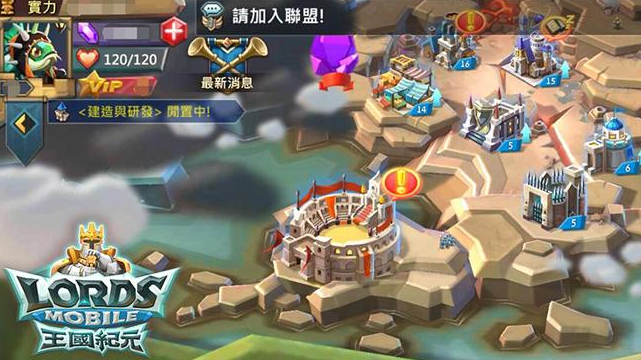
I. Game Overview & Platform Support
A. Lords Mobile Worldview & Core Gameplay
Lords Mobile’s story is set in a magical fantasy continent where the old king has passed away. As the descendant of the last Holy Grail Knight, you have to take on the huge responsibility of reviving your kingdom! You’ll recruit heroes of all kinds—dwarves, orcs, even dark elves—to join your faction, train powerful armies, research advanced technology, expand your territory, and your ultimate goal is to become one of the top rulers in the entire world!
This game’s gameplay blends three core areas: "Kingdom Building & Resource Management", "Hero Recruitment & Character Development", and "Large-Scale Alliance Warfare". Simply put, you need to do three main things: build castles, train armies, and train heroes—then team up with other players to fight battles, seize resources, and occupy land. At first glance, it seems like just "upgrade buildings, fight wars, take land", but dig a little deeper and you’ll find it’s packed with strategy! You have to balance long-term construction (like gathering resources, upgrading buildings—these all take time) and short-term battle planning (like strengthening heroes, getting alliance support, which helps you clear levels quickly).
Because the gameplay is rich and has plenty of strategic depth, whether you’re a "thinking-type gamer" who likes to problem-solve, or someone who loves social collaboration + PvP competition with other players, Lords Mobile is definitely a game worth trying.
B. Supported Platforms & Download Methods (iOS/Android/PC Emulator)
This game supports a full range of platforms, so you can play on your phone or computer too. According to official announcements:
-
Android users can directly search for and download it on Google Play.
-
iOS or iPad users can find the game in the App Store.
-
PC or emulator users have the Windows version available on the Steam platform.
So whether you usually use a laptop or want to play on a big screen for smoother control, it works no problem. But a quick reminder— I used emulators before and noticed some differences from the mobile version: sometimes the network connection is unstable, and switching windows is more of a hassle. I recommend trying out mouse, keyboard, or controller controls first to find what works best for you.
When it comes to downloading: mobile users can just search for "Lords Mobile" in their phone’s app store. For PC versions, you can download it from platforms like Steam or Epic by searching "Lords Mobile". Don’t forget to pick the version that matches your region! I learned this the hard way once— I downloaded the overseas version which was all in English and couldn’t connect to local servers, wasted ages before switching to the right one, so definitely keep that in mind!
C. Multilingual Support & Traditional Chinese Interface
This is a huge plus for Chinese-speaking players! Lords Mobile supports a Traditional Chinese interface, and you can even choose Traditional Chinese for the voiceover too. No need to struggle through English or Japanese—playing in your native language makes the experience way more comfortable. According to the official website, the Windows version supports both English and Traditional Chinese for voice, and Traditional Chinese is also available for text.
As a Taiwanese player, I was so happy to see the Traditional Chinese interface—no need for translation apps at all, which let me get into the swing of things fast when I was new. Back when I first started playing, if there was no Traditional Chinese, I would’ve been stuck forever! This is especially helpful for new players, since you won’t have to waste time on frustrations like "not understanding quest instructions" or "being confused about hero skill effects", saving so much adaptation time.
Basic Operations Guide
Once you jump into the game, the core process can be broken down into a few simple steps. This is the order that worked best for me:
-
Build Your Castle First: Focus all your early resources on upgrading your main castle building first. This is the key to unlocking more structures and training units—don’t waste your materials on fancy, unnecessary stuff early on.
-
Gather Resources: Wood, stone, food, and gold are non-negotiable for building and upgrading everything. Don’t make the same mistake I did—avoid wasting time on unnecessary decorations or skins at the start, or you’ll get stuck without key resources for days.
-
Train Your Army: While your buildings are upgrading, don’t forget to train your units at the same time. You’ll need a strong army for battles and defense later—skipping this leaves you totally helpless when enemies attack.
-
Recruit Heroes: Head to the hero recruitment system first to grab basic starter heroes, then work on upgrading and tweaking your team later.
-
Join an Active Alliance: This is non-negotiable for new players! I ignored this tip at first and joined a dead, inactive alliance— I got stuck for days with no help. Once I switched to a lively, active alliance, my progress skyrocketed. The support, shared resources, and team-up battles they offer are a game-changer for new players.
-
Complete Newbie Quests
The game has a great guide system for both daily achievements and main story quests, so just follow along and you’ll rack up tons of rewards fast. A quick tip for new players: Don’t rush to capture every single territory at the start. Focus on building up your base first, leveling up your heroes steadily, and saving resources—this will help you stay on track and avoid getting crushed by other players early on.
B. Tips for Your First Pull & Hero Recruitment
When it comes to character development, your first pull and free hero summons are super critical for new players! Here are some tips I picked up from actual gameplay, from a fellow player’s perspective:
-
When you have free pulls or the game gives you summons, prioritize heroes that are well-regarded and versatile—don’t just go for flashy looks or high rarity.
-
Focus on heroes that give long-term value—think supports that buff teammates, tanks that take hits, or ones that work great in alliance wars and resource battles.
-
New players or free-to-play users, don’t blow all your resources on limited-time top-tier heroes. Some of them look cool, but if you don’t have the resources to back them up, forcing upgrades will just slow your progress way down.
-
Another pro tip: Don’t forget free daily pulls and event summons every day. Save up your summon tokens and wait for the right time to go for a big pull—don’t waste them on random stuff.
When it comes to tier lists, the game’s official S/A tier list might not be fully out yet, but from community talks and player experience, S-tier heroes are the ones that work in every scenario, have strong skills, and are good even in the late game. A-tier heroes are great for specific scenarios but not as versatile as S-tier. My advice for new players: Prioritize S-tier heroes first, and use A-tier as backups.
C. Thoughts on S-Tier and A-Tier Heroes
I can’t list every hero’s official tier, but based on community discussions and popular guides, here’s the common take (note: tiers change with updates!):
-
S-Tier Heroes: These guys have crazy good skills, work in any situation, and pair great with your team when leveled up. If you pull one, focus on upgrading it first.
-
A-Tier Heroes: They’re more specialized or only shine in specific scenarios. While strong, they might need specific resources or team setups to hit their full potential. If you’re short on resources, start with A-tier and swap up for S-tier later.
-
New Player Tip: Use 1-2 heroes you like or know well to get the game going. Don’t swap your team for every battle—this spreads your resources too thin and slows your progress.
All in all, the most important thing for new players is to take it step by step, build your foundation, and level up as you go. Don’t chase after the newest, flashiest hero right away. Once you have a solid base, enough resources, experience, and good heroes, then you can start swapping for better ones or going for limited characters—no rush.
III. Team Building & Battle Tips
A. Roles: Main C, Sub C, Supports, and Tanks
In games like Kingdom Age, having the right mix of roles is super important. Let me break it down in simple player terms:
Sub-DPS (Secondary Damage Dealer): Does a bit less damage than the main DPS, but complements your team, backs up the main DPS, or covers for their weaknesses. A good sub-DPS can boost your team's overall damage or crowd control ability.
Support Role: Focuses on boosting teammates with buffs, controlling enemies, healing, or debuffing opponents—think buffer/debuff type. Their damage isn’t high, but without them, your main DPS will get taken down super fast or stuck under constant crowd control.
Tank Role: Specialized in taking hits, protecting your team’s core members, drawing enemy fire, and even turning the tide of battle. Especially in Alliance Wars or multiplayer matches, tanks are critical—you need a solid frontline to hold the line for territory defense, wall fights, or outdoor skirmishes.
A well-rounded team ideally consists of 1 Main DPS + 1 Sub-DPS + 1 Support + 1 Tank, plus other utility or burst damage roles depending on the stage needs. This composition stays balanced and is less likely to get targeted and taken apart in high-level matches.
B. Team Composition & Synergy Effects
Besides role assignments, don’t overlook "synergies"—the bonus effects from pairing specific characters in your team. A lot of players sleep on these, but using them correctly makes you progress way faster. From actual player experience:
Honestly, don’t just cram all the "meta" strong characters into your team. The key is to think about whether these characters work together to create a 1+1>2 effect. This will turn your messy "Frankenstein team" into a well-oiled machine that performs way better in battles.
C. Defensive Lineups & War Strategies
This game has big battle modes like Alliance Wars, Kingdom Sieges, and World Bosses. For these events, your defense and war strategies can’t just focus on attacking. Here are a few tips from a veteran player like me:
All in all, attacking is important—but defense is non-negotiable. Always remember: your castle isn’t just for upgrading. It’s your lifeline to protect yourself and keep growing in the game.
IV. Character Development & Skill System
A. Talent Point Allocation, Potential Unlocks, & Awakenings
When it comes to character development, it can feel like a grind, but this is also where you can really separate yourself from other players. From a player’s perspective:
-
Main C (Core Damage Dealer): This is your team’s main damage source—they win battles by dishing out big hits. When picking one, look for high burst damage, wide attack ranges, and something easy to use.
-
Grouping heroes from the same faction, race, backstory, or army tag usually triggers "synergy/combo bonus" effects that boost attack, defense, speed, or skill damage.
-
When building your team, try to ensure your characters' skills complement each other—like Main DPS handles burst damage, Sub-DPS takes over crowd control, Support provides buffs, and Tank draws aggro/takes hits. Never make a team full of damage dealers or all defensive roles, that’s a bad move.
-
Don’t stick to the same team composition every single time—adjust based on the stage or mission type. For example, a fast-attack team works great for resource raids, but if you’re defending territory, you need a more defensive, steady lineup instead.
-
Castle & Territory Defense: The buildings, defense structures, walls, garrison troops, and hero defense lineups you prioritize upgrading directly affect how hard and expensive it is for other players to attack you. So even when you’re busy raiding resources, make sure you set aside some resources to upgrade your defense—never skip this part.
-
Recon & Intel Gathering: Your Alliance or squad needs to always stay on top of enemy movements, resource node locations, and ally status. Figuring out which territory has rich resources and which enemy has weak forces makes both raiding and defending way more efficient.
-
Alliance Coordination & Focus Fire: A good Alliance will always pick unified attack targets, defense priorities, and resource raid goals, plus distribute resources and troops fairly. Even if your heroes are strong, team play is what wins battles—going solo will never beat moving as a group.
-
Psychological Warfare & Raid Timing: Sometimes you don’t attack when the enemy is strongest—you wait for the perfect window. Like when an enemy just reorganized their forces, their defense is still not upgraded, or they just got hit hard and are re-supplying troops. That’s when raiding their resources will land way more successfully.
-
Talent Allocation: Many heroes have three main attribute paths: Strength / Agility / Intelligence (or similar setups). You need to choose your talent direction based on your character’s role. For example, Tanks should prioritize points in Vigor / Defense.
-
- For your main carry, focus on Attack and Burst stats—this is how you get the most out of their value.
-
Potential Unlock: If the game has progression mechanics like "Potential Level," "Limit Break," or "Star Upgrades," you must invest resources to unlock Potential as early as possible. Usually, unlocking it grants extra stats or skill slots. Never dump all your resources into a character that looks strong at first—instead, pick a character you’re willing to build long-term.
-
Awakening & Limit Break: When your character reaches a certain level or meets specific conditions, the "Awakening" or "Limit Break" system unlocks. This boosts their max stats, updates their appearance, and unlocks new skills. At this point, make sure the character is worth building long-term before pouring tons of resources into them.
Here’s a common mistake new players make: Many players dump all resources into a 5-star character the second they pull them, but often ignore if that character can survive mid-to-late game and has a clear role in the team. By the time resources are gone, the team is nowhere near complete—leading to constant frustration from lag or bad matchups. My advice: Pick a character you actually need, has long-term build potential, and works well with allies before investing resources in batches.
B. Active Skills, Passive Skills & Ultimate Skills
Character skill systems are definitely one of this game’s core features. Combat might have auto or manual options, but you still need to understand the skill structure from a player’s perspective:
-
Active Skills: These are abilities you actively click or trigger (think burst damage, area attacks, enemy control, etc.). Mastering their use can turn the tide of battles—so pay attention to their cooldown times, damage ratios, and casting conditions.
-
Passive Skills: These are usually ongoing effects, or trigger only when specific conditions are met (like "Counterattack when attacked" or "Boost Attack after combat ends"). They might not be as flashy as Active Skills, but their long-term benefits are solid.
-
Ultimate Skill: This is your character’s most powerful move—long cooldown, high cost, but insanely effective. Many players save Ultimates for clutch moments when they need to turn the tide, or use them in key story battles.
Pro Tip: In combat, learn to judge when to use your Ultimate and when to save skills—for example, if the enemy’s tank just used their skills, use your Ultimate to pressure their damage core. This kind of synergy is what leads to insane burst damage.
C. Skill Chain & Cooldown Management
This is the core threshold for moving from "just knowing how to play" to "truly mastering your team"—here are the effective methods I’ve figured out in actual combat:
-
Skill Chain: When you deploy 2 to 3 characters to fight at the same time, you must plan the rhythm in advance—who uses Burst Skills first, who takes control of the battlefield next, and who wraps up with finishing damage. The key isn’t just one character’s strong damage, but making your team’s overall burst or control effect reach its peak together.
-
Cooldown Management: Don’t spam skills the second their cooldown is done—when skills are on cooldown, you’re left with no offense or defense! Especially in tense team fights like Alliance Wars or Territory Control, even a 1-second gap can let opponents seize the chance to turn the tables.
-
Pro Tip: Before battle, quickly check the enemy team composition, estimate how long it takes your team to use one full skill rotation, and how fast the enemy will come to reinforce. Then line up your skill casting order—for example, your main carry uses Burst Skills first, sub carry controls key targets, then your tank draws aggro and supports heal. This kind of rhythm arrangement lets you take full control of the battle the whole time.
After sticking to adjusting your skill cycle like this, you’ll gradually get rid of complaints like "we lost just because I missed the cooldown timing" and become a veteran player who can firmly control the entire battle rhythm.
V. Gear Enhancement & Resource Management
A. Weapon Forging, Armor Crafting & Accessory Synthesis
Gear is something many new players overlook, but it’s actually the core of the core! Even if your characters are max level, if your gear isn’t up to par, you’ll still get left behind by other players—this is a lesson I’ve learned the hard way after playing for so long.
-
Weapon Forging: Prioritize forging weapons for your main carry and core damage dealers—this is the fastest way to boost damage, and never waste time on weapons for secondary characters.
-
Armor Crafting: Upgrading defense gear like armor and shields is the key to avoiding your team getting one-shot. Don’t be stingy with upgrading your tank and support’s armor—do it when you need to.
-
Accessory Synthesis: This
Accessories might not stand out as much as weapons, but their extra stats—like attack speed, crit chance, and cooldown reduction—can be absolute game-changers for your team! I recommend taking your time with accessory crafting instead of fixating only on weapons; accessories actually give way better resource value.
From a resource allocation perspective, upgrading gear requires a lot of materials and gold, so make sure to set some aside for gear upgrades instead of dumping everything into character leveling or gacha pulls. That way, you’ll build up your strength steadily without running into frustrating shortages.
B. Rune System & Gem Socketing
If the game has systems like runes and gem socketing (this is exactly what you get in *Kingdom Era*), make sure to use them well—they’ll drastically boost your combat power!
-
Rune Selection: Runes boost specific stats for your characters—like attack, defense, or HP—so pick them based on your character’s role! For DPS characters, go for attack or crit-focused runes; for tanks, pick HP or defense runes.
-
Gem Socketing: Same logic as runes! High-quality gems are hard to obtain, but their long-term payoff is massive. Socket gems in your core characters first, then move to secondary characters.
-
Upgrade gems strategically: For example, level one gem from 3-star to 5-star before moving on to another, instead of upgrading each a little then switching. That way, you won’t spread resources too thin, and your upgrade efficiency will stay high. Do this right, and your gear strength will quickly outpace other players’.
C. Exp Dungeons & Gold Farming
Whether you’re leveling characters, upgrading gear, or building facilities, you can’t do it without resources and exp! The game usually has exp dungeons, daily quests, and world map plundering as ways to get exp, gold, and materials—new players, don’t sleep on these!
-
Run exp dungeons every day, even the lower-level ones—they’re way better than just idling and waiting around.
-
Prioritize daily quests or event quests—they usually have first-clear bonuses or consecutive login rewards, don’t miss out on those!
-
When you have enough resources, join plundering or resource node battles moderately. Sure, there’s risk of getting counter-plundered, but the rewards are totally worth it.
-
Pro resource tip: Gold and materials are always scarce, so don’t rush to max out the highest tier. Get mid-tier gear and characters fully leveled first, then work your way up to top tier. Spreading resources too thin will just get you stuck hard.
To sum this up: Gear + Runes + Exp = your actual effective power. If you’re missing any of these, even if your character is high-level, if your gear lags behind, your combat power will still be weak. Don’t let that happen to you.
VI. Kingdom Building & Territory Expansion
A. Castle Upgrading & Building Construction
After talking about heroes and combat, let’s move on to another core part of the game: kingdom building! This game isn’t just about fighting heroes—you also have to manage your castle and lead your whole kingdom. Here are key points shared by players:
-
Upgrading the castle (your main building) is key to unlocking new features—so always prioritize upgrading it first. That’ll unlock more training slots, army slots, and building types.
Don’t ignore building placements in this game! Buildings like resource collectors, research labs for tech, and defensive structures to fend off enemies are all core to your growth. For example: If your resource-gathering buildings are too low-level, even if you train tons of troops, you won’t have enough resources to keep up, your training speed will be totally slowed down, and you’ll waste all your early-game progress.
Here’s a “cycle upgrade tip” that many veteran players use: First, get your castle to a certain level, then build resource and training buildings first to meet stage requirements. After that, upgrade defensive buildings. This creates a super healthy cycle of internal resources and combat power—you won’t get stuck early on.
Don’t forget to pay attention to building upgrade times—speed-up items are super useful! Upgrading the castle always takes time, so using speed-ups will save you heaps of time. Early game, it’s better to use speed-ups on the castle or early-game buildings to maximize efficiency—don’t waste them on trivial things.
B. Territory Expansion & Resource Management
Once your kingdom is stable inside, you can start expanding your territory. Many veteran players always say: “Land is the future—no land, you’re crying back to base.”
Territory expansion usually involves taking over neutral areas, grabbing resource nodes, or fighting other players for land. You need to make sure you have enough troops, hero power, and alliance support to take those areas safely.
When you take new land, you get more resources—like more gem nodes, higher collection rates, and bigger territory space. This is super important for your long-term growth.
But also keep in mind: the bigger your territory gets, the more targets you’ll be for other players. So make sure your defense is on point, monitor things in real time, and work with your alliance. Don’t mess up resource allocation either—don’t dump all your resources just into expanding your
...completely ignoring internal building upgrades and equipment enhancements.
Here’s a simple rule of thumb: Lay a solid internal foundation first, expand steadily on a small scale, and once your base is stable, then go big. Never dump all your resources into reckless expansion right off the bat—you’ll end up with a super weak castle that gets wiped out immediately, and that’s a total waste!
C. King & Emperor System
Nearly all kingdom-building games feature a King/Emperor system, where players can compete to become the ruler of the kingdom—unifying lands, rallying allies, and giving orders. This is a hotly discussed mechanic in the Kingdom Rush community. From a player’s perspective:
Before you run for King or Emperor, make sure your alliance is strong and your allies are reliable. There’s nothing more awkward than becoming a leader just to get taken down by another alliance right away.
Once you’re in charge, your daily duties multiply a ton: recruiting allies, allocating resources, commanding defenses, handling diplomacy, and more. At this point, your role shifts completely from just “grinding mobs + training troops” to a leader who focuses on management, strategy, and alliance collaboration—no more solo play for you.
If you’re interested in this path, join an active alliance early, build up a solid network of allies, and develop good synergy between you. When election time rolls around, having the strength and reputation backing you will boost your chances of winning.
That said, becoming a leader means higher resource drain, more responsibilities, and way more time investment. This path is for players who love community collaboration and hanging out with their allies—it’s not ideal for new players who prefer going solo.
Wrap-up: Kingdom building, territory expansion, and title claiming are the key steps to leveling up from a regular player to a Lord or King. Nail these, and your entire gaming experience will feel deeper and more meaningful.
VII. Event Gameplay & Community Interaction
A. Daily Quests, Weekly Events & Limited-Time Events
This is where you’ll get most of your activity points and resources in the game:
Daily Quests: Log in daily, train troops, build structures, fight battles, and complete assigned tasks. The rewards here aren’t as huge as big events, but they’re consistent and must-do.
Weekly Events: These weekly new missions or topic-based quests might come with exclusive rewards, hero shards, or gear materials. You should prioritize these—those shards and materials are often what help you break through growth bottlenecks.
Limited-Time Events: The game drops special events occasionally (think holiday-themed events, alliance tournaments, global challenges). These usually have great rewards but short time windows and fierce competition. New players tip: If you’ve got the resources and time, join in—if not, focus on locking in your basics first.
Remember: Events aren’t just for prizes—they’re also great opportunities to stock up on resources, hero shards, and materials fast. Don’t miss out on them.
B. Event Dungeons, World Bosses & Alliance Wars
These are more advanced but just as important:
Event Dungeons: Usually open for a limited time, these take you to specific maps with team/hero limits or unique challenges. Make use of these dungeons to get rewards you can’t easily find elsewhere.
World Bosses / Field Bosses: These are shared battle fields—you team up with allies to fight, loot, and attack them. These gameplay modes not only work well, but also help you connect with your allies and interact more.
Alliance Wars: This is where the real large-scale player vs player action happens in this game! Allies team up, support each other with resources, and fight tooth and nail over territory. If you want to move up from mid-tier, participating in Alliance Wars is a must. From a player’s perspective: Joining an active alliance, figuring out their mechanics, and standing with your allies will give you way higher win rates than playing solo.
-
Alliances (called guilds in some games) aren’t an extra thing to do outside of fun—they’re one of the core, must-have power sources. My advice:
-
Join an alliance with high activity, people willing to cooperate, and generous about sharing resources. These alliances give you tons of passive bonuses: resource aid, building speed-ups, alliance tech boosts, and backup during fights.
-
Interact with your allies all the time: Chat, share strategies, talk through attacks and defenses, and help each other out. Never pick an alliance where everyone plays solo and doesn’t care about others—you’ll struggle so hard when you go it alone later.
-
Act together: If allies are focusing fire on an enemy, expanding resource lands together, or defending alliance territory, be there. These actions take time but the payoff is huge, plus you’ll build a good reputation fast in the alliance.
-
If you want to become a key member of your alliance later, even run for King/Emperor, your activity, leadership skills, and resource contributions will be key factors in judging you.
Wrap-up: Event gameplay + community interaction are key to growing fast and enjoying the game long-term.
That’s where the true depth of the game lies. You’re not just leveling up and fighting monsters here—you’re dominating and building an empire alongside a group of like-minded players. That’s what makes *Kingdom Rush* so much fun to play.
VIII. Economy System and Future Outlook
A. How to Claim Gift Codes, First Recharge Double Bonuses, and Monthly Pass Perks
In the game's economy, these perks are super important for new players:
-
Gift/Event Codes: The official team frequently releases gift codes that let you score free Crystals, Hero Shards, and gear materials. I highly suggest joining the official game community, Discord/Facebook groups, and keeping an eye on the Events page so you don’t miss out on any rewards in time.
-
First Recharge Double Bonus: Lots of games offer first-time recharge perks, like doubling your rewards when you top up. This is a great value option for players who want to put in a little money but don’t want to spend big bucks.
-
Monthly/Weekly Pass Perks: These small, long-term investments give you steady daily resource returns. They’re super recommended for players who want to grow steadily instead of grinding nonstop or spending a fortune.
Player Tip: If you’re a new player wanting a bit of an early advantage, grab the Monthly Pass to boost your resource output and consistency. But don’t overspend—stick to your own growth pace!
B. AFK Rewards and Resource Optimization
This game leans more into manual play and strategy, but there are still AFK rewards (like resource production, gathering gains, and base building output). How do you optimize this? Here’s what I do when playing:
-
Make sure your gathering and resource buildings are running 24/7—just come back to collect and replenish them on a regular schedule.
-
Don’t leave resources in "inefficient buildings". Resource optimization means every single resource should work toward your growth—for example: Gather → Upgrade → Gear → Fight—not just sitting there once you level up.
-
Balance Your Resource Investment: If your Gold is full but you don’t have enough Lumber, go gather Lumber first. If you have extra Hero Shards but lack gear materials, prioritize making those materials. Resources will never run out—you’ll only hit a wall if you invest in the wrong direction.
-
AFK is just a helper—real progress gaps come from skill, strategy, and correctly deploying resources.
C. Update Announcements and Version Previews
Lastly, let’s talk about the "Future Outlook": No online game stays popular forever without updates, version overhauls, and event cycles. From a player’s perspective on *Kingdom Rush*:
-
The official team keeps releasing new heroes, events, dungeons, and Alliance battle modes. That means you can’t slack off once you beat the "old meta"—you need to keep up with update announcements to stay on top of version changes.
-
When you hear "New Hero/New Faction/New Event" is coming, prepare ahead (like saving resources and hoarding Hero Tickets) instead of rushing last minute. This is what players call "early advantage taking".
-
If you plan to play this game long-term, subscribe to the official community/follow social media pages so you can get first dibs on events, updates, compensations, and any changes.
-
Future Outlook: The game will keep adding high-intensity gameplay modes like "Alliance vs Alliance", Cross-Server Competitions, and Territory Wars. If you build up your team, resources, and allies now, you’ll be ready to dominate the high-level matches later.
Alright, that’s my complete guide for *Kingdom Rush* from a player’s perspective: Starting overview, Character System, Newbie Tips, Team Building, Character Development, Gear Enhancement, Kingdom Building, Event Gameplay, and the Economy System’s operation and future content planning, I suggest that after reading this, you’ll avoid so many unnecessary mistakes, skip the pitfalls, and have a smoother, more fun gaming experience.
Always remember: The most important key to this game is "mindset". Don’t aim for the sky in one step, and don’t rush to spend big to catch up to the fastest progress. Instead, grow steadily, allocate your resources wisely, and team up with a group of like-minded allies. That way, your adventure in the Kingdom will be full of excitement, rich rewards, and lots of laughs!
If you have any questions, or want to dive deeper into any part (like gear recommendations for specific heroes or event strategies), feel free to reach out anytime. Let’s race to the top together! I hope you’ll become the supreme ruler of your kingdom and dominate all servers soon! -