Heart of Victory Complete Guide: Newbie Factions, Hero Team Building, Battle Pet Spirit Offering, an
When I first started playing Heart of Victory, I thought it was just a typical idle card game where you casually toss a few heroes into the battlefield and let the system handle the whole battle automatically. But after clearing a few chapters, I realized that although this game has casual features like offline AFK farming, quick loot collection, and auto-battle, there are actually tons of small details that decide whether you win or lose. Things like positioning heroes in front and back rows, balancing physical and magic defenses, choosing which enemy to focus fire on, timing skill interrupts correctly, making good use of Soul Spirits’ control, and balancing combinations between different factions.
Currently, the official positions Heart of Victory as a fantasy RPG that combines strategy idle gameplay, card development, and casual fun. Players pick members from different factions like Humans, Orcs, Elves, Dragons, and Demons to form a 5-person team and fight against the Scourge of Undead, Deep-Sea Invaders, and Old God forces. While you can use auto-skills in battles, there’s still room for manual controls like moving heroes around, focusing fire on specific targets, and interrupting key skills, so it never gets boring.
So this Heart of Victory guide won’t just end with a hero tier list. It will cover everything from faction, class, and team composition formulas, all the way to equipment, battle pets, Soul Spirits, mounts, daily resources, specific battlefields, King Siege events, and late-game development paths. If new players follow this guide, they can avoid a lot of mistakes like having super high combat power but getting stuck in actual battles.
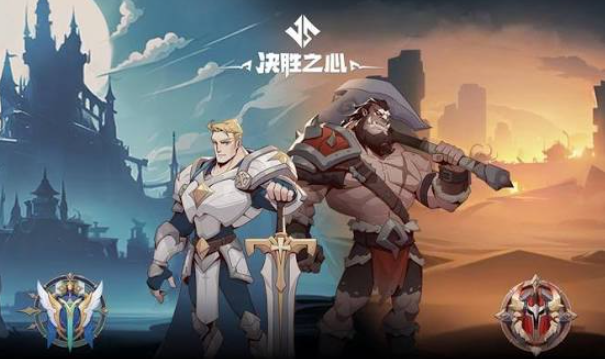
I. Heart of Victory New Player Complete Guide
A. Core Gameplay Introduction: Card Idling & Strategy Development
The basic game loop of Heart of Victory is actually super easy to understand: beat main story chapters, collect AFK rewards from offline time, open chests for equipment, level up your heroes, then use your strengthened team to challenge harder stages.
But "idling" doesn’t mean you can ignore everything. The five heroes will be placed in front or back rows based on their class roles. Tanks must take the main damage, while long-range damage dealers need safe spots to attack. If your frontline tanks fall too quickly, even if your backline mages and archers deal tons of damage, they can’t even cast their second set of skills properly, which will directly lose you the battle.
During battles, you can also manually focus fire on specific targets, adjust hero positions, and pick the right time to cast ultimate skills. When facing enemies that charge up, summon minions, or heal, saving your control skills to interrupt them is often more effective than spamming all your ultimates at the start—this is super important.
AFK rewards are closely tied to your main story progress. If you have time before logging out, it’s best to push a few more stages because over time, the gap between high-stage gold, EXP, and equipment drops will get bigger and bigger—there’s a huge difference.
B. Why Choose Heart of Victory? Game Features and Highlights
In my opinion, the biggest feature of Heart of Victory is that it caters to both casual players and those who love digging into team building—without favoring either side.
If you don’t have much time to play, just log in to claim AFK rewards, finish daily quests, and clear dungeons. But when you get stuck on stages or in PvP battles, you can dive into hero positioning, skill combos, and mounts + Soul Spirits setups. This rhythm doesn’t force you to stare at the screen all the time, but it’s not just auto-battling based on stats either—you still need some skill.
The game has many different development systems, but they all connect tightly. Heroes form the core of your team, equipment and gems provide basic stat boosts, mounts change how heroes perform, and Soul Spirits offer control, damage boost, or survival effects in battles. If even one part is mismatched, even if your total combat power is super high, you might not perform well—this is something to keep in mind.
C. Launch Essentials: New Player Bonuses, Faction Choices, and Early Game Tips
After creating a new account in Heart of Victory, make sure to claim all game mail, pre-order bonuses, 7-day login rewards, and all new player events first before deciding your main development path. Before the Hong Kong, Taiwan, and Macau server launch, they announced up to 300 gacha pulls, a free SSR hero "Lord of Jade", and a 7-day login selection bonus. Actual rewards will still be based on your server’s current event page, okay?
When choosing early-game heroes, don’t just focus on rarity. My tip is to first make sure your team has a real damage-tanking tank, a healer, at least one physical damage dealer, and one magic damage dealer. That way, when facing enemies with different defense types, your whole team won’t be countered by the same resistance.
If you pull heroes like Scarlet Swordsman, Thunder Lance Warrior, Rage Guard White Ox, Holy Knight, Lord of Jade, Tide Queen, or Mog Merchant in the early game, you can build your team around them. Don’t force a pure faction team on day 1, it will mess up your class balance and make it harder to fight.
II. Analysis of the 5 Major Factions and Their Counter Relationships
A. Faction System Overview: Thunder, Outlands, Northern Realm, Dawn & Special Tags
First, let’s clear up a common myth. Based on confirmed guides and in-game data for the Taiwan/Hong Kong/Macau version, standard race factions are:
Thunder, Outlands, Northern Realm, Dawn.
Current materials use these four factions to calculate team bonuses and counter relationships—so "Forsaken" isn’t officially listed as an equal standard faction. If future patches, event characters, or special systems add the "Forsaken" tag, always follow the in-game guidelines for that period; don’t apply old counter cycles directly.
Thunder usually has solid control, burst damage, and melee-focused units—teams here are built around a main damage dealer.
Outlands has plenty of arcane and beast-type characters, paired with debuff mechanics for a sustained damage playstyle.
Outlands heroes are super versatile, covering mage tanks, summoners, buff providers, and specialized control; mix-and-match builds are very flexible here.
Northern Realm factions feature freeze effects, sustained control, magic damage, and unique survival mechanics—they really shine in long battles.
Dawn has a well-rounded set of knights, supports, and burst damage characters, making it ideal for building balanced attack-defense teams.
B. Faction Counter System Explained
The true value of faction counters only fully shows when fighting opponents of equal power, or during overpowered challenges. If your faction counters the enemy, you’ll have a clear edge in damage trades. On the flip side, if you’re countered, your frontline will fall quickly, and your main DPS might get killed before they even deal any damage.
When building teams, don’t dismantle your entire core lineup just to counter one specific foe. It’s recommended to pre-level 1-2 utility substitutes from other factions—like extra tanks, healers, or control champions. Swap one out when facing that enemy, and you’ll quickly adjust your faction counter matchup.
Between choosing faction bonuses and role integrity, always prioritize role integrity. Even 5 same-faction units missing a tank or healer are far less practical than 4 same-faction units plus a high-quality healer.
C. Pros & Cons of Each Faction + Team Building Tips
The Thunder faction offers many advantages: a huge selection of damage and control units. The downside is popular meta teams here depend heavily on core champions and their exclusive weapons, so the cultivation threshold is pretty high.
The Outlands faction’s perk is super versatile heroes that mix well in mixed builds; however, some characters need specific teammates or advanced upgrades to reach their full potential.
The Northern Realm faction is perfect for players who love control, freeze effects, and magic burst playstyles; the con is some teams have a slow start, making them easy prey for fast-paced PVP teams.
The Dawn faction is overall balanced, with solid defense and support capabilities. But if your main DPS isn’t well-leveled, you’ll end up in an awkward spot: your frontline can hold, but you won’t take down enemies.
III. Champion Training & Role Guide
A. 7 Core In-Game Roles
Game’s champion lists sort units into categories like Tanks, Warriors, Ranged Physical, Mages, etc., but from a practical play standpoint, they break down into 7 core functions:
Physical Damage Dealer (DPS): Handles basic attacks, crit damage, and melee burst damage.
Magic Damage Dealer (DPS): Specializes in area damage, lowers enemy magic resistance, and deals skill-based burst damage.
Physical Tank: Designed to counter teams heavy on physical damage.
Magic Tank: Reduces incoming magic damage, giving an edge against mage-focused teams.
Healer: Provides healing, resurrects teammates, or sustains HP over time.
Utility Support: Boosts team attack speed, increases damage, gives shields, reduces incoming damage, or helps teammates build energy.
Control Specialist: Shifts battle rhythm and limits enemy actions via stuns, freezes, taunts, pulls, knocks, etc.
Many champions have 2-3 core functions at once. For example: White Bull the Fury Guard can take frontline damage, taunt enemies, and reduce damage taken; Tide Queen boosts team attack speed and damage; Mogul Merchant offers control, shields, and damage reduction.
B. Champion Strength & Training Priorities
Early in the game, it’s best to lock in one main DPS (core damage dealer). Focus all your resources—their level, star rank, exclusive weapon, gems, and gear—on them.
Put your resources into him. The more focused your main carry is, the faster you’ll clear stages, and the sooner your AFK resources will start improving.
Right now, these are the core heroes that are easy to build a team around: Scarlet Swordsman, Thunder Spirit Lancer, Star-Stealing Shadow Dancer, Shining Moonfeather, and Winter Witch. Scarlet Swordsman is a magic melee unit that excels at grouping enemies and lifesteal. Thunder Spirit Lancer, on the other hand, deals both single-target and AoE damage, plus gives physical buffs to the team. It’s relatively easy to pick up even for f2p (free-to-play) players.
Here’s the priority order for allocating your training resources:
Main Carry > Main Tank > Core Support/Healer > Secondary Carry > Utility Backup.
Never level up all five heroes evenly! If you do, no one will be able to kill enemies fast, and even your tank will fall apart on the front line.
C. Skill Analysis & Star Ascension Strategies
When looking at a hero’s skills, don’t just check their numerical stats—focus on what the skills actually do. Like, can they interrupt enemy casts, group foes, generate energy, lifesteal, revive teammates, or give buffs to the whole team?
Active skills set the pace of battles, while passive effects and exclusive weapons determine a hero’s late-game potential. Many heroes are just mediocre without their exclusive weapons—they only become truly powerful once you unlock those. So make sure you check the full resource cost before investing in a hero!
All star-up resources should go to your long-term main carry. If a support hero works fine at low stars, keep them at that level—don’t sacrifice the shards your main carry needs to ascend just for a tiny boost in basic stats!
IV. High Win-Rate Team Comps Recommendations
A. Standard Team Formula
The most stable 5-person team formula is:
1 Physical Tank + 1 Magic Tank/Sub-Frontliner + 1 Healer + 2 Damage Dealers.
This setup can handle both physical and magic enemies at the same time, so it’s super forgiving. If a stage has high damage pressure, swap the second tank for a CC or support hero. If your frontline keeps getting demolished, it’s best to stick with a double-tank setup. New players don’t need to follow the formula strictly—first, learn the core roles of each unit. If your team is 3 damage dealers and 2 supports with no real tank to take hits, you’ll struggle to clear stages consistently.
B. Popular Team Comps
Scarlet Thunder Team
Members: Scarlet Swordsman, Rune Fire Feather, Thunder Guard White Ox, Moon God Ranger, Moogle Merchant.
This team centers around the Scarlet Swordsman. The Thunder Guard White Ox is in charge of grouping enemies, controlling the battlefield, and providing damage reduction. Then the Scarlet Swordsman dives in to burst down enemies. The Moon God Ranger needs a fully upgraded exclusive weapon to hit its full potential—early game, you can replace it with another magic damage or healing hero.
Thunder Lance Outland Team
Members: Thunder Spirit Lancer, Black Dragon Young Master, Tide Queen, Jade Lord, Moogle Merchant.
Thunder Spirit Lancer is the main physical damage core. Tide Queen gives attack speed and damage buffs, Black Dragon Young Master takes magic damage and controls enemies, and Jade Lord provides healing and revive. This team’s resource cost is pretty reasonable—perfect for f2p players to build up slowly.
Shining Dawn Team
Members: Shining Moonfeather, Star-Stealing Shadow Dancer, Tide Queen, Moon God Ranger, Holy Knight.
This team relies on Shining Moonfeather’s kill-to-energy-gain mechanic to spam active skills quickly. The downside? If your main carry doesn’t deal enough damage, you’ll get stuck on stages. You have to pour all resources into the core hero here.
C. Adjustments for PvE, PvP, and War Mode
For PvE stages, you’ll focus more on AoE damage, sustain, and team stability. It’s better to run 1 tank, 1 healer, 2 damage dealers, plus 1 CC or support hero.
For PvP, it’s all about first strike, burst damage, and CC. If the enemy has a squishy fast-attack team, use opening CC or burst down their backline. Against a tank sustain team, you’ll need heal reduction, DoT damage, or focus fire on their core.
War Mode lets you rotate multiple teams, so you can’t just level up 5 heroes. Once your main team is ready, start building a second team gradually—but make sure it’s only enough to handle basic capture and defense. Don’t put equal resources into it as your main team.
V. Gear System & Stat Optimization
A. High-Tier Gear & Set Bonuses
Gear mainly comes from AFK chests, dungeons, events, and high-tier game modes. You’ll be swapping gear a lot in early game—don’t waste resources on reforging low-tier gear.
Set bonuses only activate fully when you have the required pieces. So don’t just look at single-gear stats—2 or 4-piece set bonuses like damage increase, damage reduction, or special effects will almost always be better than a single high-rated piece.
Your main carry should prioritize getting attack gear first...
For gear setups, tanks should prioritize HP, defense, and damage reduction stats. As for healers, decide your gear direction based on whether your healing skills scale with attack, HP, or other stats!
B. Affix Selection
Physical and magical damage dealers should prioritize critical hit chance, critical damage, attack, and penetration stats.
Accuracy becomes super important in the mid-to-late game—no matter how high your crit is, it’s useless if enemies dodge all your attacks! In PVP against high-dodge characters, accuracy is way more useful than stacking extra crit damage.
Tanks can go for HP, defense, dodge, crit resistance, and damage reduction. Dodge can fully negate damage, but it’s less reliable than consistent damage reduction—don’t just stack one stat alone.
C. Gem Slots & Upgrade Priority
Early game, focus all gem resources on your main DPS. Attack, crit, and accuracy are usually the most practical choices.
Tanks should use HP, defense, and dodge gems. For healers, pick HP or attack gems depending on the scaling of your healing skills.
For upgrades, start with your main DPS’s weapon, then work on the tank’s armor. Leveling all characters’ gear evenly makes your overall power look higher, but it might not actually help you beat tough stages.
VI. Pet System & Team Synergy Strategies
A. Pet System Overview
Pets aren’t just for tagging along to boost your power—most of the time, they provide active skills, passive stat bonuses, or special battlefield effects.
When choosing a pet, fill gaps in your team: If you need crowd control, pick a pet with stun, slow, or knockback; if survival’s an issue, go for a shield, heal, or damage reduction pet; once your main DPS is stable, then think about pure damage-boosting pets.
Don’t just look at pet rarity: A lower-rarity pet with skills that fit your team perfectly is often more useful than a higher-rarity pet with duplicate functions!
B. Pet Skills & Development Path
Again, focus all pet upgrade resources on one main pet first—level it to a key skill stage, then prepare a second pet for PVP or boss fights.
For story stages, prioritize pets with area-of-effect (AOE) control and clear power. For boss fights, focus on single-target damage, defense reduction, or survival-oriented pets; for PVP, pick pets with skills that can swing the fight quickly at the start.
For example: Use your pet to pull enemies or slow them down first, then let the Crimson Sword Sentinel enter to deal AOE damage; lower the enemy’s defense first, then let the Thunder Lancer unleash burst damage; or when enemies are about to use their ultimate, use a crowd control pet to delay their key skills.
Pet skills don’t need to be activated automatically as soon as they’re available! Some stages let you hold skills manually and wait for key enemies to appear before using them, which will significantly boost your clear rate.
VII. Ritual Spirits and...
Mount System Deep Dive
A. Ritual Spirit Mechanics & Gameplay
Ritual Spirits are placed based on different times of day: morning, noon, evening—they provide various key battlefield effects. Common types include opening crowd control, damage boosts, finishing low-health enemies, shield protection, and HP recovery.
If your team is mostly magic damage dealers, prioritize Ritual Spirits that boost magic damage, pull enemies, or slow them down. For physical teams, focus on attack speed, crit chance, and physical attack stats. In PVP, Ritual Spirits with control or debuff effects are more practical.
When choosing Ritual Spirits, make sure they match your team lineup—don’t just copy rankings. If your team already has enough damage, adding a Ritual Spirit with key crowd control will help more than one that only boosts damage.
B. Mount System & Stat Bonuses
Mounts in the game either bind to specific heroes or provide bonuses, including attack, crit chance, energy regen, resurrection, and other special effects. Some mounts let the bound hero revive and recover HP when they die for the first time—this is especially important for teams that rely on their core DPS (main DPS) to keep fighting.
For example, heroes that need to use active skills quickly pair well with mounts that provide energy regen. For melee main DPS with huge burst but prone to dying easily, mounts with resurrection or lifesteal are more suitable.
C. Resource Investment Priority
When allocating resources, mounts for main DPS are way more cost-effective than upgrading all mounts evenly.
As for Ritual Spirits, first build a complete set that fits your team’s role—don’t rush to max out every Ritual Spirit to full stars.
For free-to-play players, you can follow the route of “develop an exclusive mount for main DPS + a general Ritual Spirit set”. First improve the completeness of your main team, then slowly expand other setups.
VIII. Daily Activities & Resource Planning
A. Daily Must-Do Routine Logic
After logging in every day, it’s recommended to handle daily tasks in this order: First, claim AFK rewards, then progress through the main story.
First push your main quest line forward, then tackle daily quests, Arena battles, and time-limited dungeons. Finally, wrap up guild quests, battlefield modes, and event activities.
The challenge counts for Team Dungeons, Team Bosses, and Ancient Ruins are super resource-efficient. If you’re about to unlock a harder stage, hold onto these challenge counts instead of wasting them on low-level stages with worse rewards—wait for the new stage to drop first.
B. Guide for Divine Stone Escort, Double Plunder, and Spirit Plant Secret Realm
Divine Stone Escort is a key daily resource source. If you can, aim for the high-quality escort missions and their corresponding reward quests.
Double Plunder is best saved for when there are extra points, double rewards, or event quests active. On regular days, don’t blow all your paid challenge counts just for tiny resource gains.
For Spirit Plant Secret Realm, keep an eye on resource respawn times, other players plundering spots, and when resources are ready to harvest. Grab mature resources right away, and use extra challenge counts during event boosts to massively boost your resource gain efficiency.
C. Resource Allocation Strategy
Early game, all rare resources should go to your main carry first—this includes character shards, exclusive weapon materials, high-tier gems, and all kinds of gear.
Don’t burn through all your universal character shards too early. Save them until your favorite character is close to their star-up threshold—this avoids wasting duplicates you might pull later.
Gold and EXP can be farmed slowly through daily activities, but rare gems, exclusive weapon unlock materials, and limited-time items are way harder to get—so prioritize saving them instead of wasting.
IX. Battlefield Mode & PVP Combat Tips
A. Core Mechanics of Battlefield Mode
The battlefield mode in the game usually revolves around capturing cities, contesting fortresses, and attacking/defending the main city. You’ll need to deploy your hero teams to capture key points while stopping enemies from cutting off your supply lines.
Points closer to the main city are usually more strategically valuable—don’t just fixate on small nearby cities; keep the whole map’s connections in mind.
Hero teams have fatigue or battle count limits, so your main team can’t fight nonstop. Having a second team ready in advance saves you the hassle of having no team to deploy during crucial siege phases.
B. Battlefield Team Composition & Combat Tips
Siege teams work best with burst damage, crowd control, and fast-kill setups—your goal is to end fights as quickly as possible.
Defense teams need tanks, healers, and revival abilities to slow down the enemy’s attack pace.
If you see the enemy’s main team on one lane, you don’t have to fight head-on—instead, take a point on another lane, cut their supply lines, or force them to split their forces.
C. Battlefield Rewards & Rank Planning
Battlefield-related quests, rank promotions, and point-capture rewards are all worth completing consistently.
Even if you’re not trying to hit the top ranks, you can still accumulate resources by playing the battlefield every day. Instead of grinding hard for a high rank once in a while, sticking to daily base quests and rank rewards is more practical—those steady resources go a longer way.
X. King-Sealing Event & Limited-Time Mode Guide
A. Types of King-Sealing Events
King-Sealing events in the game usually fall into three categories: new server launch king-sealing events, holiday-exclusive king-sealing events, and cross-server competition events.
Launch king-sealing events happen mostly in the early game of new servers, with the most fierce competition. Holiday king-sealing events usually come with special shops, event points, or exclusive rewards. Cross-server king-sealing events have way higher rank thresholds because the player base is much larger.
King-Sealing events don’t happen just once—early-game beginner guides mentioned that besides new server phases, major holidays might bring back king-sealing events. Unused King-Sealing Coins can usually be saved for later events, but always follow the current event’s rules.
B. Tips for Ranking Up in Events
Before joining a ranking event, confirm what the event’s core metric is: number of summons, gem levels, gear strength, total combat power, or resource spent.
Don’t use up all related items before the event starts—things like Summon Tickets, Gem Chests, gear materials, and mount resources should be stockpiled and saved for when the ranking event hits.
F2P players don’t need to force themselves to chase the top of the event’s overall ranking. Evaluate which tier of rewards you can actually reach with your current resources, then focus on grabbing key resources like core shards, gems, or exclusive weapon materials before stopping. This is usually way more practical and cost-efficient than grinding hard for a high rank.
If there’s an UR hero or rare mount in the event’s reward pool, calculate whether your resources are enough to reach the pity timer. If your resource gap is obvious
Tip: Don’t force yourself to keep pushing forward just because you’ve already spent some resources—you’ll end up losing more in the long run.
XI. Team Dungeons & Multiplayer Play Guide
A. Team Dungeon & Raid Boss Strategies
For team dungeons, you don’t need every member to be a pure damage dealer. Your team will be much more stable if you have a tank to soak damage, a healer to keep everyone alive, and 1-2 control characters to manage enemy actions.
Before fighting a boss, confirm if it’s weak to physical or magical damage, then pick the right type of tank to take it on. If the boss summons minions, make sure your team has at least one area-of-effect damage character to clear them—otherwise, you’ll quickly lose your rhythm.
B. Team Co-Op Tips for Ancient Ruins
Ancient Ruins dungeons usually unlock harder stages as your level increases. When you’re close to unlocking a new difficulty, consider saving your remaining attempt slots to use once the new stage is available—this maximizes your resource efficiency.
You don’t need every team member to have identical roles. If your main damage dealer (Main DPS) is already contributing enough, adding one more control or revive character will be more useful than a fourth damage dealer.
C. Rewards & Social Tips for Multiplayer Modes
Joining an active guild or fixed team not only speeds up team formation, but also helps you find teammates with similar combat power much faster—no more wasting time on random lobbies.
When sharing your team setup in the community, always include your characters’ star levels, Exalted Weapon rank, mount level, and soul relic configuration. If you only post hero names without their progression, new players will easily misjudge their actual strength.
XII. Advanced Progression & High-Stat Analysis
A. Crit, Accuracy & Evasion Mechanics
Crit Rate determines whether your attack triggers a critical hit, while Crit Damage is the multiplier applied when a crit lands—you can’t skip either of these stats.
Accuracy and Evasion are counter-stats: the higher the enemy’s Evasion, the more Accuracy you need to stack. In late-game PvP, if your Accuracy is too low, you’ll miss way too many attacks—at that point, stacking Crit won’t be very effective.
Stacking Evasion on a tank boosts their survival ceiling, but it’s mostly luck-based and relies on RNG. For a consistent tank, you need to balance Health, Defense, and Damage Reduction stats.
B. High-Tier Set Requirements
To unlock the full effects of high-tier sets, you usually need to equip a certain number of pieces (usually 2 or 4) or reach a specific gear quality.
Before replacing gear, always compare set bonuses. Don’t dismantle your core set just because a single piece has a higher score—you’ll regret it later.
If you align your Exalted Weapons, sets, mounts, and soul relics around your main DPS, progression gains will stack—this is way more effective than spreading resources evenly across multiple characters.
C. Late-Game Progression Tips
In the late game, you need at least two core teams: one for PvE story missions and bosses, and another for PvP battles or cross-server matches.
Once your first core team is well-trained, start building a second main DPS and a second tank. Don’t rush to make teams with four different factions early on—this will spread your resources too thin, and you won’t be able to max out any character.
XIII. New Player FAQ & Mistakes to Avoid
A. Faction Mixing & Resource Waste
Faction mixing isn’t a bad thing—what’s truly bad is filling your team with random characters without any logical synergy. If your heroes have complementary skills and cover all necessary roles, a mixed-faction team can be really strong.
But forcing three unsuitable characters just to get a faction bonus is a real waste of resources. Another common new player mistake is leveling all characters evenly: if you half-level your main DPS, tank, healer, and backups, none of them will reach the next power threshold, and you’ll get stuck on every fight.
B. Fast Team Building Tips
When building a team, start with a core main DPS, then add support characters that can protect and boost them—this speeds up your progression a lot. For example: Thunder Spirit Gunner pairs well with Tide Queen to boost attack speed and physical damage; Crimson Sword Knight needs a character that can gather enemies, add magic damage buffs, and provide survival support; for Shining Feather Moon, focus all resources on them to ensure they can kill enemies and regain energy to use their ultimate ability.
When you get stuck on a stage, check your battle history to find the issue: if your frontline keeps dying, boost their survival; if DPS can’t finish in time, upgrade your main DPS; if skills are getting interrupted, add more control characters or adjust when to use skills.
C. Daily Must-Do Tasks
Prioritize these daily tasks: collect idle rewards, advance the main story, complete daily quests, play arena, rune escort, spirit grove dungeon, guild quests, team dungeons, and any limited-time events. If you’re short on time each day, finish time-limited, expiring activities first—you can do permanent dungeons later.
XIV. Faction Choice & Long-Term Progression Planning
A.
Faction Recommendations for F2P Players
F2P players don’t need to lock themselves into a specific faction right from the start. It’s better to build your team flexibly based on the heroes you actually pull. For example, the Outlands team of Thunder-Light Spear Warrior is reasonably accessible and cost-effective to raise, with a solid lineup including a main carry, tank, healer, and support—perfect for F2P players to invest in long-term.
Thunder faction also has many great characters, but core units like Crimson Blade Knight and Moon Sentinel require high-tier exclusive weapons and good level investments. You can use substitute characters to get through the early game without struggling.
B. Faction Suggestions for Pay-to-Play Players
Pay-to-play players with a budget can build a single-core team around their UR heroes, pairing them with high-quality supports to boost the main carry’s damage—this lineup will be very powerful. However, pulling a UR hero is not enough. You need to fully invest in their star level, exclusive weapon tier, mount level, gem setup, and set effects, all of which are non-negotiable. Plan your resource allocation carefully before investing in a hero.
The cost to fully develop a team is actually hidden in resource management across every stage.
C. Multi-Faction Development Strategy
The smartest way to build a multi-faction lineup is to first get your first team fully stable, then slowly assemble a second team using heroes you get from events or extra shards.
For your second team, prioritize damage attributes different from your main team. For example, if your main team focuses on physical damage, your backup team should prepare magic damage dealers. This way, when you face enemies with extremely high physical defense, you won’t get stuck on a level for ages.
XV. Conclusion: Build Your Ultimate Heart of Victory Team
A. Growth Path from Newbie to Pro
Actually, the growth path for new players in *Heart of Victory* is not complicated at all.
In the early game, first get a complete team: one tank, one healer, two damage dealers. Focus all core resources on your main carry. Mid-game, start equipping your main team with exclusive weapons, mounts, souls, and sets. Also, prepare backup members with different damage attributes in advance. Late game, start working on your second team, specifically for high-difficulty battles, PvP, or multi-team co-op content.
B. Keep Track of Version Updates
Hero balance isn’t fixed forever—it changes with new characters, exclusive weapons, mounts, or event adjustments. Factions that shine in the current meta, like Thunder, Outlands, Dawn, or Northern Realm, might get new core heroes soon and shake up the current meta.
After every major or minor update, carefully evaluate if new heroes can fit into your existing team. Don’t rush to dismantle your well-developed main team just because a new banner pops up—you’ll regret that.
C. Join the Heart of Victory Strategic Adventure
The most appealing part of *Heart of Victory* isn’t pulling rare UR heroes—it’s building a team of five roles with completely different functions, protecting and buffing each other. The fun of building such a lineup is the game’s real charm.
As long as you take time to learn each hero’s role, focus resources on your main carry, and manage your daily game resources well—even without paying a lot or pulling every UR hero—you can still progress through the story, join all kinds of battle events, and slowly build your own ultimate Heart of Victory team.
Your account’s combat power numbers only show how much time and resources you’ve invested. What really decides victory is always whether you place those heroes in the positions that let them perform their best.