Tasker Hero Complete Guide: Beginner’s Class Builds, Runes & AFK Tips
The game officially launched on Steam on May 27, 2026, with a fully free-to-play base version developed by two studios: Nugem Studio and Tesseract Studio. Don’t let that tiny taskbar window fool you—there’s tons of depth here! You get 6 distinct classes, free-form skill builds, a rune tree system, the Hero-dric Cube crafting system, 10 rarity tiers for gear, 3 full game acts, plus 4 difficulty modes: Normal, Nightmare, Hell, and Torment. The endgame gear customization is even more complex and fun than many larger idle RPGs out there.
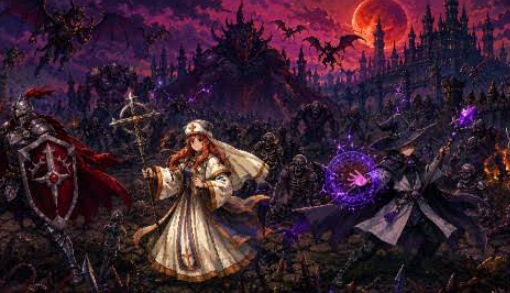
I. Game Overview of TBH: Task Bar Hero
A. What Exactly is TBH: Task Bar Hero?
Simply put, **TBH: Task Bar Hero** is a slimmed-down, taskbar-only version of a loot-focused Hack & Slash RPG. After creating your hero, they’ll automatically dash into battle from your taskbar, fighting monsters to earn XP, gold, and gear. You’ll then tweak their gear, adjust skill setups, and activate runes to make your whole squad loot faster and more efficiently. The gameplay is like a tiny mix of Diablo’s loot system and idle game AFK mechanics—no manual grinding needed; your focus is on figuring out how to maximize loot per minute.
B. Unique Highlights of Task Bar Hero (Taskbar Idle RPG)
The biggest draw here is that it runs alongside all your other PC programs. From day one, the game was built to be lightweight and totally auto-adventurous—no need to stare at the screen constantly; your hero squad will fight and loot nonstop on their own. The Steam version supports 64-bit Windows 10 and 11, and it even has traditional Chinese interface and subtitles, which is super friendly for Taiwanese players.
C. Core Gameplay Analysis: Auto-Battling & Looting
The core of this game isn’t about *whether* you can beat monsters—it’s about *how fast* you can beat them. For example, on the same map, a battle that takes 30 seconds vs. 2 minutes will make a huge difference in XP, gold, and chests over a long AFK session. So when building skills late-game, I prioritize mob clear speed, movement flexibility, and consistency over just stacking raw attack power on your stats.
D. Free-to-Play Details & Steam Platform Perks
The base game is 100% free. The core classes—Knight, Ranger, and Sorcerer—are all free to play right away. There’s also a Priest class you can grab for free from the Steam DLC page, while Hunter and Slayer are paid DLC classes. On Steam, you’ll get standard features like cloud saves, an achievement system, and a trading marketplace.
II. New Player Starter Guide for TBH: Task Bar Hero
A. Early Game Flow & Leveling Tips
When you first start, your first goal isn’t just rushing bosses—it’s unlocking two key systems as fast as possible: the Rune Tree and the Hero-dric Cube. The Rune Tree unlocks around level 3, and the Cube at level 4. The Rune Tree increases how many hero slots and skill slots you have, plus boosts gold and XP gains. The Cube handles gear recycling, crafting, and upgrading. Early on (the first 10+ levels), gear changes super fast, so don’t waste all your gold chasing perfect stats—just swap for any gear that boosts your DPS (damage per second) for now.
B. How to Choose Your First Class as a New Player
There are three free starting classes, here’s my take: if you want a steady, no-fuss way to progress through the game, go with Knight. If you care about the fastest dungeon-clearing speed, Ranger is a solid pick. If you love the rush of wiping out groups of enemies, Sorcerer is totally your guy. The Knight has the highest survivability, but his early-game dungeon crawl speed is slow. The Ranger excels at single-target damage and attack speed – super satisfying to use. The Sorcerer clears crowds faster than anyone when he’s surrounded by monsters. And hey, even if you pick wrong, no need to restart the whole game! You can unlock more hero slots later to mix and match classes as you go.
C. How to Get Gold, EXP, and Equipment
One of the best ways to earn Gold early on is using the Alchemy function in the Hero-dric Cube – just turn all your unwanted low-tier equipment into gold. For EXP, you’ll get it mostly by clearing stages over and over, and equipment comes from battle drops and chests. A super important tip for early game: High-level low-rarity weapons can sometimes be stronger than low-level high-rarity ones. When picking gear, always compare actual damage and DPS first before making your call.
D. Common Progression Mistakes to Avoid Early On
There are three big progression pitfalls you’ll likely fall into early game: First, blowing all your Gold on random runes. Second, using all equipment that can be crafted for Alchemy. Third, rushing into the highest difficulty too early. Especially when it comes to Souls
Don’t use Alchemy willy-nilly! It’s your key item for challenging Bosses in each Act. Just clear the stage right before a Boss for the first time, and you’ll get the Soulstone you need for that progression, no problem.
III. TBH: 塔斯克巴英雄職業介紹
A. Knight: Role & Playstyle
The Knight is the classic frontline Tank – with sword and shield, his biggest strengths are insane health, thick armor, and team-wide shield capabilities. Late game, when you unlock skills like Aegis Field, he can take damage for the whole team. And Sacred Blade gives him extra damage and sustain, making him great whether your gear is bad or you’re pushing high difficulty.
B. Ranger: Damage Specialization
The Ranger is one of the most reliable ranged physical damage dealers around. He’s fast, safe (attacking from afar), and has builds for everything from Boss fights to AFK stages. For long single-target fights, pair Swift Surge with Skewer Shot. For fast dungeon clearing, go for Rapid Fire plus Arrow Rain – that combo’s way more efficient.
C. Sorcerer: Area Damage Powerhouse
The Sorcerer’s whole thing is Area of Effect (AOE) damage – that’s his bread and butter. A combo of Fireball plus Flame Hydra clears mobs so fast it’s ridiculous. But for Boss fights, swap to Meteor Strike and Lightning to get way higher burst damage. His downside is pretty clear though: he’s squishy. If the frontline or Priest can’t hold damage, he’s definitely the first to go down.
D. Priest: Healer & Support Role
The Priest is hands down the best class I recommend all players grab for free on Steam first. His Sanctuary skill keeps the team alive and healed, and Blessing of Might boosts everyone’s damage. That’s one character who can heal and buff at the same time – total steal. Right now, tons of groups run around with Priest, Ranger, and Sorcerer – that trio’s super effective.
E. Hunter & Slayer: Playstyles
The Hunter is a tactical ranged damage dealer, and the go-to combo here is Frost Bolt paired with Explosive Bolt – great for burst damage and crowd control. The Slayer is high-risk, high-reward melee damage. His Axe Spin plus Crushing Blow combo clears huge packs of mobs like a charm. Both are paid DLC classes, but don’t stress – the free classes are totally enough to get through the main game, no pay-to-win nonsense here.
IV. TBH: 塔斯克巴英雄職業排行
A. Best Classes for New Players
For new player suitability, I’d rank the Priest as the top pick, but sadly he’s not available right at the start.
At the start, your best bet is to pick from Knight, Ranger, and Sorcerer. Also, make sure to grab that free Priest right away! If you want a solid early game, go with Knight. If you’re looking to push progress fast, Ranger and Sorcerer are way better picks.
B. Top Damage Dealer Class Rankings
For long-term single-target damage, Ranger is insane. For clearing hordes of mobs, Sorcerer makes it a total breeze. Once you get your gear sorted, Hunter and Slayer also have great potential. But don’t just rely on one Tier list—this game has huge differences between levels. Rankings for boss fights and AFK farming should never be mixed up!
C. Best Classes for AFK Farming
My go-to AFK farming party is Sorcerer, Ranger, and Priest. The Sorcerer handles most of the small mobs, the Ranger finishes off elites and low-health targets, and the Priest keeps everyone alive and regenerating. Level these three together, and they’ll farm way faster than a full tank party, no cap.
D. Class Power Analysis for Boss Fights
For boss fights, the Ranger’s consistent single-target damage is solid, and the Priest is the lifeline of your whole party. If the boss hits too hard for your tank to handle, just swap the Sorcerer for a Knight. That’s what makes TBH so fun—there’s never just one way to play!
V. TBH: Taskmaster Heroes Party Composition Guide
A. Early Game Dual-Hero Lineup Recommendations
Once you unlock your second hero, here are some party lineup ideas to try: Knight + Ranger is the most stable. Ranger + Sorcerer clears mobs the fastest. If you’ve already grabbed the Priest, Priest + Ranger will get you through levels super smoothly. Early game mobs don’t hit that hard, so trading a little defense for faster clears usually works better for efficiency.
B. How to Unlock the Third Hero Slot
In this game, your hero slots don’t unlock automatically as your character levels up. You have to unlock them through the Command path in the Rune Tree. The second slot unlocks pretty early, but the third costs more gold. Still, it’s one of the most worth saving resources for in the early game. Most community guides say it’s better to unlock all three hero slots first before investing in smaller, minor runes.
C. Tank, DPS, Support Party Compositions
The classic safe party is Knight + Ranger + Priest. For an efficient farming party, go with Priest + Sorcerer + Ranger. The first one works great for starting out and tackling harder content, while the second is perfect for blasting through levels fast.
Best Party Recommendations for Difficult Levels
After you beat Nightmare difficulty, don’t just copy-paste a Build. A lot of levels will force you to use specific elemental resistances or survival stats. For example, Nightmare 2-6 puts a huge emphasis on fire resistance. If you get stuck, don’t just mindlessly pile on power. First, figure out “who’s dying first and what damage type is killing them,” then adjust your gear accordingly. That’s way better than just stacking power randomly.
VI. TBH: Taskmaster Heroes Build & Gear Guide
A. Ranger Build Recommendations
For boss fights, go with Swift Surge paired with Skewer Shot. Prioritize gear stats like attack speed, physical damage bonuses, and bleed damage. If you’re farming mobs, swap to Rapid Fire and Arrow Rain—this combo will make clearing large groups way more efficient.
B. Sorcerer Build Recommendations
For farming mobs, the core Build is Fireball + Flame Hydra. Focus on gear that boosts fire damage, cast speed, and skill damage. For boss fights that need burst damage, swap to Meteor Strike + Lightning—this combo hits like a truck!
C. Priest Build Recommendations
The most popular support Build for Priest is Sanctuary + Blessing of Might. Prioritize gear stats like cooldown reduction, survivability, and skill cycle speed. Remember—Priests aren’t meant for topping damage charts. Staying alive so your team can output damage is your biggest job!
D. Knight, Hunter, and Slayer
Hero Build Direction
Knights build solid tankiness around Aegis Field and Sacred Blade, making them the team’s most reliable frontline tanks. Hunters pair freeze-control skills with explosive shots to handle both crowd control and damage. Assassins deal high-damage melee AoE with Axe Spin and Crushing Blow, making them extremely efficient at clearing mobs.
VII. TBH: Taskbar Heroes Skill Guide
A. The Difference Between Active and Passive Skills
Active skills directly contribute to combat—think healing, fireballs, shields, stuff like that. Passive skills boost base stats like HP, armor, attack speed, elemental damage, and more. Since skill points are limited early game, it’s best to lock in two core active skills first, then put points into passives that support them. Don’t waste points on random stuff!
B. How to Unlock the Second Skill Bar
You unlock the second skill bar via the Rune of Awakening in the Rune Tree. Just like unlocking a second hero slot, this is a key unlock that turns your early game play upside down.
C. Skill Build Recommendations by Class
Don’t just pick skills based on their high multiplier! For AFK farming stages, go for AoE skills with big damage and short cooldowns. For Boss fights, focus on whether a skill is DoT (Damage over Time) or burst damage. For Priests, prioritize healing power and buff coverage to shine as a support.
D. Skill Point Resets and Upgrade Priorities
Early game, dump skill points into the core skills you’ll use consistently—don’t spread them thin wasting points on every single skill. Later, when your gear and stage needs change, you can reset and adjust your build. Way better than memorizing some “max level 70 build” right off the bat—stay flexible!
VIII. TBH: Taskbar Heroes Rune Tree Guide
A. Rune Tree Unlock Requirements
The Rune Tree unlocks when your hero hits level 3. It’s one of the most important systems for your entire account in early game—don’t sleep on it!
B. Prioritize Unlocking Second and Third Hero Slots
When unlocking, head toward the Command path first. The boost from going from 1 hero → 2 → 3 is way more valuable than getting a few extra attack points early game.
C. Recommended Gold and XP Runes
Grab the Rune of Wealth and Rune of Growth as early as possible. The longer you AFK, the more these economy runes will stack up for you.
D. Offline Progression: Rune of Repose
Rune of Repose unlocks offline gold and XP gains—perfect for players who can’t stay logged in all day. But when you’re truly offline, you won’t farm chests and gear like you would if the game is running in the background, so if you want to gear up, better keep the game open.
E. Rune Upgrade Priorities
My recommended priority order is: Second Hero Slot → Second Skill Bar → Third Hero Slot → Gold/XP Boost → Offline Progression → then Attack and other small stats. Just remember to unlock core features first before stacking numbers!
IX. TBH: Taskbar Heroes Hero-dric Cube Guide
A. Hero Cube Unlock Method
The Hero-dric Cube unlocks when your character hits level 4. After that, you invest and process various items to earn Cube XP, and gradually unlock more features.
B. Alchemy and Gold Farming
Alchemy is the feature that converts unwanted junk gear into gold. It’s perfect for low-rank, low-level gear you’ll never use again. But make sure to lock important items before using the auto-fill function—you don’t wanna accidentally waste them!
C. Gear Synthesis Mechanics
Synthesis costs 9 pieces of gear with the same rarity. Don’t expect to get top-tier gear randomly—what you put in doesn’t guarantee the final result. Never gamble with gear you actually need!
D. Gear Crafting System
The Crafting feature is perfect for filling in gear slots you’re missing. For parts like rings or amulets, which are super hard to get perfect drops for early game, this system is exactly what you need to make up the gaps.
E. Cube Upgrades and Material Tips
Don’t rush to use high-tier Decoration, Engraving, and Inscription materials on temporary gear. Wait until you’re sure you’ll use a piece of gear for a long time before investing deeply—you’ll regret it so bad when you swap gear later!
X. TBH: Taskmaster Heroes Equipment Guide
A. Equipment Rarity & Quality Tiers
The game has a total of 10 equipment tiers right now: Common → Uncommon → Rare → Epic → Immortal → Arcana → Beyond → Celestial → Divine → Cosmic, with Cosmic being the highest gear tier available.
B. Weapon, Armor, & Accessory Picks
DPS classes should prioritize weapons and attack stats first. For frontline tanks like Knights or Priests, focus on stacking HP, defense, and damage reduction instead. As for accessories, most of them are for boosting movement speed, gold gains, XP, or granting various special effects.
C. Equipment Stats & Affix Recommendations
Rangers care about attack speed and damage. Sorcerers prioritize elemental damage and skill cooldown speed. Priests need survivability and cooldown reduction the most. Knights should stack HP, defense, healing output, and resistances. Don’t automatically swap out gear just because it’s higher rarity—if the stats are totally wrong for your class, you’ll actually get weaker!
D. Arcana, Beyond, Celestial, & Cosmic Gear
Higher-tier gear not only has stronger base stats, but also comes with more crafting slots to use. Starting from Arcana tier, it’s worth putting in effort to pick good base gear. Beyond, Celestial, Divine, and Cosmic tiers are the top-tier gear endgame players should aim for long-term.
E. Equipment Synthesis & Upgrading Tips
Don’t treat trash gear like useless junk! You can either turn it into gold via Alchemy, or keep it to use the 9-in-1 Synthesis feature. Learning to split and use your gear like this is way more efficient than just clearing your inventory all the time.
XI. TBH: Taskmaster Heroes Fast Leveling & Resource Farming Guide
A. Most Efficient XP Levels
The best XP stage isn’t the highest one you can currently clear—it’s the highest stage you can farm consistently and quickly for maximum rewards. If runs take too long or you keep wiping, move back a stage! Late-game areas like Torment 3-9, 3-8, and 3-7 give great XP, only if your team can actually clear them easily.
B. Fast Gold Farming Methods
Alchemy is super important in the early game, but mid-to-late game you need to look at your hourly kill count and stage gold rewards. Don’t just check how much gold per run—compare total gold you earn per hour, that’s what really matters.
C. Best Stages for Gear & Materials
When you need gear, prioritize stages you can clear fast that drop gear suited to your level. For Soulstones and boss materials, focus on boss pre-stages and boss chests.
D. Optimizing Clear Speed & AFK Efficiency
Stages you can clear in 30 seconds are almost always better for AFK farming than higher-tier stages that take 2 minutes. Sorcerers’ AOE skills and Rangers’ finisher abilities are made exactly for this kind of play.
XII. TBH: Taskmaster Heroes AFK & Offline Rewards Guide
A. How Auto-Battle Works
As long as the game’s open, your heroes will keep fighting automatically, pick up loot, and progress through the game—this is the full “taskbar AFK” style of play.
B. Unlocking Offline Rewards
You need to get the Rune of Repose first to actually unlock offline gold and XP rewards. Offline rewards are more like a bonus, not something that replaces playing the game and farming gear yourself.
C. Best Teams for Long AFK Sessions
The most low-fuss team for long AFK sessions is Priest + Sorcerer + Ranger. If you keep dying, swap either the Sorcerer or Ranger out for a Knight instead.
D. Boosting Gold & XP Gains
Max out economy runes first, then work on increasing your hourly kill count. Basically, you want to level up both “gain multiplier” and “clear speed” at the same time—not just focus on one alone.
XIII. TBH: Taskmaster Heroes Stages & Difficulty Guide
A. Progressing Early Normal Stages
The game has a total of 3 Acts, each with 10 stages, plus 4 difficulty levels for a total of 120 stages. Normal difficulty is mostly for unlocking game systems—push as far as you can, and come back to farm gear when you hit a boss wall.
Nightmare Difficulty Guide
When you first start, you’ll notice issues like low elemental resistances and poor survivability creeping up on you. If you can’t take down a boss, figure out its attributes and why it’s wiping your party—don’t go overboard upgrading your weapon blindly right away!
C. Hell Difficulty Party Composition
When tackling Hell difficulty, your party really needs at least one solid sustain core. The Priest becomes way more valuable as you progress through stages, and you gotta start putting real thought into pairing the right gear affixes too.
D. Torment Difficulty Guide
Torment difficulty is where your late-game build (character setup) gets put to the real test. The devs even said in their July development roadmap that plenty of players have already cleared Torment, and future content is gonna get even harder later on.
E. Boss Stages & Act 3-10 Strategy
Boss stages need a Soulstone that matches the difficulty. The first time you try Act 3-10, don’t just spam damage—make sure your Priest keeps the party’s HP topped up, your Ranger does consistent single-target damage, and your third character (pick either Knight or Sorcerer, depending on your party’s survival needs). Soulstones only get used up when you clear successfully, so you don’t waste a ticket if you fail!
XIV. TBH: Taskmaster Heroes Steam Market & Endgame Play
A. Steam Market Trading Rules
This game does support the Steam Community Market. Once your Hero-Dric Cube upgrades to a certain tier, you can use the Trade Ship to send eligible gear to your Steam inventory for listing. But the devs have messed with market rules and listing limits multiple times because of trading volume and server strain—so don’t treat “listing gear to make Steam cash” as a guaranteed side hustle!
B. Which Gear Is Worth Selling
The stuff that actually sells on the Steam Market is usually high-rarity, fits popular classes, has great base stats and solid affixes. Regular junk gear is way easier and cheaper to just salvage or use for crafting yourself.
C. Soulstone Uses
Soulstones are mainly entry items for Act Boss fights, split into four tiers: Normal, Nightmare, Hell, Torment. They’re NOT for trading for regular gold—don’t accidentally salvage them by mistake!
D. High-Rarity Gear & Late-Game Progression
Once you hit the Arcana phase, you need to start caring about affixes, Decorations, Engravings, and Inscriptions—not just gear color. A real endgame build will chase after gear at the Celestial, Divine, or even Cosmic tiers all the way.
E. Achievements & Long-Term Build Plans
Steam has 56 achievements right now, some need weird party setups or clearing high-difficulty boss requirements. If you plan to play this game long-term, keep at least one build for farming and one for bosses—don’t dump all your resources into one stage!
XV. TBH: Taskmaster Heroes FAQ
A. Does TBH: Taskmaster Heroes Support Traditional Chinese
Yep, it does. The official Steam language list confirms the game has Traditional Chinese interface and subtitles.
B. Is Taskmaster Heroes Free to Play
Yes! The base game is Free to Play. The Priest DLC is also free—only Hunter and Slayer are paid classes.
C. Which Class Should New Players Start With
New players who hate dying go for Knight first. If you care about single-target damage and flexibility, pick Ranger. If you wanna clear mobs super fast, go Sorcerer. Later, grab the Priest for free too—once you have a 3-man party, you can figure out your main play path from there.
D. What’s the Fastest Stage for XP & Gold
There’s no “forever best” farming stage! The rule is find a stage you can clear consistently, quickly, and get the best rewards. If you’re already in Torment difficulty, Act 3-9 and late-game Act 3-8 have great gold…
Both related rewards and experience gains are extremely high.
E. TBH: Taskbar Heroes - Is It Worth Playing?
If you love idle games, loot farming, min-maxing character builds, and keep your Windows PC running for long hours anyway, I’d say this game is totally worth a shot—since it’s free to play in the first place! Its real issue isn’t that there’s too little content, but that it’s gone through tons of changes post-launch with its market, servers, and balance tweaks. Right now, it has a "Mixed" overall rating on Steam, with around 64% positive reviews over the last 30 days. So it’s better to think of it as a looter RPG to run in your taskbar—not something you’re playing to chase big profits on the Steam marketplace.
TBH: Taskbar Heroes might look like just a bunch of pixel dudes running around on your taskbar, but once you dig deeper, you’ll notice things like how to progress the Rune Tree, when to unlock your third hero, whether to use the Hero-dric Cube for alchemy or synthesis, and if your Ranger should go for a Boss-focused build or a map-clearing build—all of these will affect how fast you grow. For new players, the most important thing early on isn’t rushing to get Cosmic-tier god gear; it’s unlocking your party slot, second skill slot, Priest, and building up your basic economy loop first.
My personal go-to growth strategy is to get the basics sorted first, then slowly plan out your higher-tier builds later.
When tackling Normal difficulty, start with either the Ranger or Sorcerer to rush through the levels. Once you get the free Priest, put together a party of two or even three heroes asap; toss useless junk gear into the Alchemy system for gold, and hold onto valuable gear of the same rarity for the Synthesis system. Once you hit Nightmare difficulty, start paying attention to resistances and survivability. You don’t need to stress too much about gear stats until you reach Hell difficulty, then your long-term goals should be unlocking Arcana, Beyond, Celestial, Divine, and Cosmic content. Just remember this core rule: clearing speed matters way more than raw damage, and TBH: Taskbar Heroes will turn from that easy-to-miss taskbar game into a looter trap you’ll catch yourself checking every few minutes to see if any god gear dropped.