Super Robot Wars Guide: Entry Order & Mecha Upgrade and Development
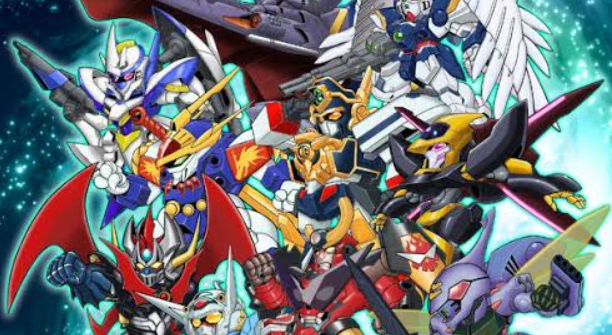
The biggest draw of Super Robot Wars isn’t just cramming classic mecha IPs like Gundam, Mazinger Z, and Getter Robo into one game—it’s letting pilots who’d never cross paths in their original stories fight together. Think moments like Amuro Ray helping Koji Kabuto analyze enemy positions, Lelouch and Char Aznable trading verbal jabs, or heroes from different eras unleashing their signature ultimate attacks. That cross-franchise thrill is something few other strategy games can pull off.
Since the first game launched back in 1991, the series has hit 35 years, and its core gameplay loop has always stayed consistent: story conversations, tactical grid deployment, mech customization, and pilot training. It might look layered at first, but once you grasp key mechanics like Spirit Commands, Will Points, range, and customization paths, new players can jump in fast—no need to stress over complexity.
I. Super Robot Wars Series Overview
Super Robot Wars is a turn-based strategy RPG where you command various mechs on a grid-based map, ordering moves, attacks, defenses, or support actions. The story weaves dozens of robot anime narratives into a brand-new, interconnected timeline. The series’ biggest selling point? Cross-franchise crossovers—one battle might feature real-robot Gundam units, heavy-armor Super Robot mechs, battleships, or even monster-type enemies all at once. Combat isn’t just about damage numbers; you’ll also need to account for hit chance, terrain adaptability, Energy (EN) gauge, ammo counts, Will Points, and Spirit Commands. The depth of progression is way more than it seems on the surface.
II. Super Robot Wars Play Order Guide
You don’t have to start with the very first game to enjoy the series. The Alpha and Z series are multi-game sagas with overlapping lore and character relationships—perfect for long-time fans who want a complete, connected story. Meanwhile, games like V, X, and T are standalone, each with its own unique setting, so new players can pick any and follow the plot easily. Super Robot Wars 30 has a free-form area mission system, letting you choose which tasks to tackle and which mechs to collect—ideal for players who love building their dream custom team. Super Robot Wars Y returns to a chapter-based narrative and adds an Assist Link support system, making gameplay feel more structured. For the Original Generation (OG) series, it features original mechs and characters (no anime IP cameos) for a more cohesive, original story; we recommend playing OG, OG2, then OG Gaiden in order.
III. New Player Super Robot Wars Recommendations
If you’re new to Super Robot Wars, start with V, T, 30, or Y. These games have modern interfaces, beginner-friendly difficulty sliders, and support for Traditional Chinese. 30 is super free-form with a huge variety of mechs—perfect for players who love building their dream team. Y has a polished, cinematic narrative and is available on Nintendo Switch, PS5, and Steam, all versions with Traditional Chinese. Platform choice is simple: Switch is great for on-the-go portable play, PS5 has fast load times and sharp visuals for big-screen battle animations, and Steam works well for PC play with cloud save sync. There’s no "best" game overall, though. For classic story fans, try Alpha Gaiden or the 3rd Alpha. For deep, connected lore, go with the Z series. For a modern gameplay experience, you can’t go wrong with 30 or Y.
IV. Featured Series in Super Robot Wars
Gundam is almost a permanent staple, with mobile suits from Universal Century, G Gundam, Gundam W, SEED, and The Witch from Mercury showing up regularly. Mazinger Z and Getter Robo are iconic Super Robot series, known for high firepower and thick armor—core pillars in battle. Series like Evangelion and Code Geass bring unique lore and tactical mechs, while Brave series entries feature hot-blooded combining mechs, special shields, and devastating ultimate attacks that dominate the battlefield. The roster changes every game, so confirm your favorite series is included before buying. For example, Y features Brave Raideen, Combattler V, L-Gaim, multiple Gundam titles, Mazinkaiser, Getter Robo Arc, Code Geass, Godzilla S.P, and SSSS.DYNAZENON—an absolutely stacked lineup.
V. Core Super Robot Wars Combat System
Each turn’s combat sequence starts with moving your units, then planning your next move—
First, pick the right units, then choose your attack targets based on weapon range. Real-Type (RT) units have high mobility, so they dodge attacks more often, but they have thin armor and can be taken down easily. Super-Type (ST) units, on the other hand, are tanky with high HP and armor—they can absorb a lot of damage, but you still need to rely on Spirit Commands to protect them against enemies with high accuracy. Terrain Adaptability directly affects accuracy and damage; if your units or weapons aren’t good at fighting in space, air, or water, their performance in real combat will drop significantly. Spirit Level rises when units attack, take down enemies, or get hit, and many powerful special moves only unlock once you reach a required Spirit Level. Support Attack is perfect for finishing off enemies or focusing fire on the Boss, while Support Defense helps squishy units block damage. When deploying, place units that can support each other close together—it’s way more efficient than just rushing everyone forward.VI. Super Robot Wars: Spirit Command Guide
"Focus" is great for Real-Type units, boosting both accuracy and dodge rate a lot. "Precision" guarantees all attacks land in one turn—no misses! "Awareness" lets you give a Precision effect to a teammate, saving your own Spirit Points (SP). When facing a Boss with super high dodge rates, instead of reloading saves repeatedly to waste time, pair the right Spirit Commands to boost accuracy, or use Support Attacks to make up for low accuracy—you’ll breeze through the challenge easily.
Picking the right Spirit Commands for key battles is basically an art! For damage boosts like "Fervor" and "Soul," save them for your most powerful special moves—they’re worth every SP. "Courage" not only speeds up your unit, it also gives Precision and Fervor effects, perfect for letting your main unit blast out huge damage in a critical turn. "Tenacity" cuts all incoming damage next turn to super low—total lifesaver for surviving! "Iron Wall" is best on heavy armor units, so you can charge into enemy groups without getting one-shot. "Evasion" lets you completely dodge one attack—super useful against high-firepower enemies. Before fighting a Boss that drops lots of credits, don’t forget to use "Luck" or "Blessing." If you need to level up lower-level units, use "Effort" or "Cheer Up"—simple as that!
VII. Super Robot Wars: Unit Recommendations & Rankings
When you’re new, don’t just train random units for flashy high attack numbers! The best units to invest in early are definitely the protagonist units—they have consistent accuracy, good range, reasonable energy costs, and work well long-term. Super-Type units are tanky and perfect for Boss fights—think Mazinger series, Getter Robo, or big combined mechs. Real-Type units live on high dodge rates, making them great for clearing mooks and drawing fire. Classic examples are Gundam, L-Gaim, or those flexible, fast transformable units.
Map weapon units are super useful! They can attack multiple enemies at once, making farming credits and kill counts way faster—but be careful with their attack range and distinguishing allies from enemies. As for repair units, supply units, and battleships—their damage isn’t great, but they keep your whole team going by maintaining durability, so you can’t skip them. A really strong team setup usually has 2-3 main units for Boss fights, paired with a few mook-clearing units, plus support characters. You don’t need to stuff your whole team with high-damage Super-Type units at all.
VIII. Super Robot Wars: Unit Modification Guide
There’s an order of priority for modifying units! For Super-Type units (tanky, high HP), modify Armor, HP, and weapons first—this lets them hold the front line and counterattack. For Real-Type units (rely on dodging), modify Mobility, Aim, and weapons first to boost dodge and accuracy consistency. For units that use lots of Energy (EN), prepare EN supply solutions early. For units that use ammo-based weapons, save credits for damage and Aim—don’t waste them randomly.
When you have limited credits, never modify all units evenly! First pick 5-8 main units you’ll definitely use late-game, upgrade their weapons and key stats to a practical level, then work on backup units. Full modification bonuses usually add movement, range, terrain adaptability, or EN—when choosing, fix your unit’s weaknesses! For example, for Super-Type units with short legs, prioritize adding movement; for main sniper units, just boost range.
IX. Super Robot Wars: Pilot Training
Pilots can learn extra abilities via skill points—there are lots of super useful skills to pick! Things like "Spirit Limit Break" (raises Spirit level cap), "Follow-Up Attack" (adds extra actions), Support Attack and Support Defense (for team help), plus SP recovery or EN saving skills (great for resource management)—all must-learn skills.
When kill counts hit certain milestones, you unlock Ace Bonuses—each pilot’s effect is different: some boost damage, some lower Spirit Command costs, some enhance specific weapons. For main pilots, invest in Melee/Ranged stats, Skill, and core skills first. For support pilots, focus on SP, support abilities, and survival. Never force a supply unit to be an attacker—you’ll waste credits and end up with a bad unit.
X. Super Robot Wars: Enhancement Parts Guide
Enhancement Part setup is also super important! Attack-type parts boost weapon damage, range, melee, or ranged...
Attack-boosting parts are perfect for your main units that go after Bosses! Evasion and accuracy parts fix the aim issues of Super系 robots or the frailty of Real系 ones. Defense parts work wonders on frontline heavy-armor units—stack armor, damage reduction, and barrier effects, and enemy grunts won’t even scratch them!
EN and ammo replenishment parts are for units that chug through resources fast—they cut down on resupplies and retreats. Rare parts come from hidden conditions, side missions, Ace rewards, or DLC, so don’t cram all of them onto one unit. Spread them around based on what each level needs!
XI. Super Robot Wars Money & EXP Guide
The best way to farm money is to save your “Lucky” or “Blessing” skills for level Bosses and high-value enemies, then land the killing blow with a high-damage main unit—super cost-effective! If you have a map weapon that can take out multiple foes at once, use that to stack cash fast, just make sure to line up their HP first!
If lower-level units want to catch up to your mains, use “Heroism” or “Cheer” to take down high-level enemies, or get EXP via Repair and Supply actions. When grinding Ace kill counts, have teammates chip away at an enemy’s HP first, then let the designated Ace pilot land the final blow—way faster than letting each unit kill them alone!
XII. Super Robot Wars Hidden Content Guide
Hidden units and characters are tied to specific conditions—like pilot kill counts, story choices, battling certain characters, level turns, or route picks. When facing a rival from the original series, have the related protagonist at least engage them once. If an enemy looks like they might join your team, don’t rush to take them out with random units—you’ll miss out forever!
Some hidden conditions are point-based, so even if you skip one, you might still make up for it later. Official info for Super Robot Wars 30 confirms that some hidden content depends on specific in-game points. If you want to collect everything, check for easy-to-miss character dialogues and kill requirements before each chapter starts—no regrets!
XIII. Super Robot Wars Route Splits & Endings
The Earth and Space routes are usually just temporary splits—you won’t lose units from the other side forever, and you can keep raising them once you merge back. Different routes will affect when characters join, hidden points, and some story bits, so pick the route tied to your favorite series—easy choice!
True endings or hidden routes usually require enough Ace units, certain choices, hidden points, or key characters surviving. New Game+ usually carries over some money, skill points, kill counts, or upgrade resources, so grabbing hidden units is way easier on your second playthrough. Don’t stress about collecting everything on your first run—just pick your favorite options to enjoy the story, then go back in your second run to fill in the details you missed—you’ll have way more fun that way!
XIV. Super Robot Wars Y Guide
Super Robot Wars Y launched on August 28, 2025, for Nintendo Switch, PS5, and Steam, with full Traditional Chinese support. Players can pick between two protagonists: Cross the Moon and Flo the Moon, piloting ninja-style units LunDragh and LunDragh II respectively early on, which later evolve into two lines: Yz LunDragh “Arc Moon” and Kaguya.
The new “Assist Link System” is a standout feature—lets support characters join battle missions, and its effects get stronger as you progress. New players should prioritize upgrading the protagonist’s exclusive unit, Wind Spirit Gundam, Kamui Gundam, Guren Type Special, and other high-damage Super系 units. Keeping supply, repair, and Assist functions in your team will make battles more stable. After the 2026 updates, the game added DLC1, DLC2, and Expansion Packs, which include units like Eldoran, Hi-ν Gundam, Nightingale, Villkiss, Nelva Z, plus the hardest “MASTER Mode” difficulty. Free updates also unlocked exclusive missions for Cybaster and the main unit from Super Robot Wars V.
To get all achievements, focus on these key points: number of Ace units, full unit upgrades, learning pilot skills, saving up money, and completing the entire encyclopedia. For hidden characters, prioritize having characters from their original series battle them, and build up kill counts to unlock their recruitment. DLC-exclusive units join your team only after you finish their respective area missions.
XV. Super Robot Wars FAQ
Most Super Robot Wars games don’t need to be played in release order—only series with continuity like Alpha, Z, and OG are better experienced chronologically. The differences between Super Robot Wars 30 and Y are clear: 30 focuses on free mission selection and lots of content to collect, while Y leans into chapter-based stories, using the Assist Link System, and a more focused team-building system.
For the Super Robot Wars series, the Taiwan and Hong Kong versions generally support Traditional Chinese. The main differences are mostly region-based store access, game pricing, and account restrictions for DLC purchases—they aren’t two completely separate translations of the same game. Is it worth jumping in? If you love mecha anime, character growth, or turn-based strategy games, this series still has tons of charm. Even if you don’t know every featured series, you can get to know each character through the in-game encyclopedia and story as you play.
Super Robot Wars might look like a big, fun gathering made just for die-hard mecha anime fans, but once you dig into it, you’ll find it’s also a fully polished strategy and growth game. Spirit Commands let you flexibly manage battle risks, unit upgrades shape the core direction of your team, and pilot skills and support parts can make the same unit develop totally different playstyles.
New players don’t need to rush to figure out all hidden conditions at the start. Just pick a unit you like and focus on upgrading it first, learn to use key Spirit Commands like *Guaranteed Hit*, *Guts*, and *Luck* at the right moments, then slowly get familiar with mechanics like Support Attacks, Will Gauge, and Terrain Adaptation—this way, you’ll get to experience the best parts of the series smoothly. Watching protagonists from different anime cross over their original works to pull off flashy special moves together is exactly the unique charm that makes Super Robot Wars irreplaceable even after over 30 years.