Playing Fire Emblem: Three Houses from Scratch: In-depth Guides & Player Insights
Hey fellow gamers~ Today I wanna share with you a game I’ve been totally obsessed with lately: *Snow Moon Wind Flower: Eternal Blade*. Honestly, I was only drawn in by the name at first — I was like, “Whoa, what a vibe! Is this just another reskinned card game?” But after playing it once, I was hooked immediately! As someone who loves card strategy games and cares a lot about deep progression systems, I’ve found *Snow Moon Wind Flower: Eternal Blade* is the real deal: the visuals are stunning, the variety of characters is great, and the gameplay has enough challenge to keep you engaged. Today I’m here to chat with you from a fellow player’s perspective: what makes this game so awesome? How do you get started? And later, how do you level up your characters, build your team, and farm resources? If you’re planning to jump in, this guide is perfect for you!
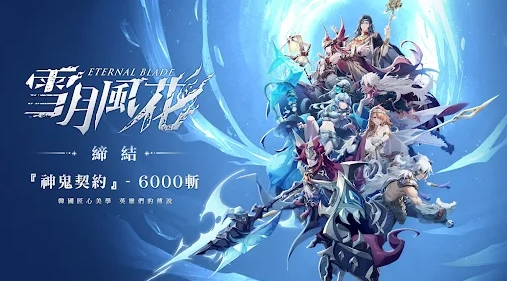
I. Background & Basic Game Introduction
A. Game Genre & Core Features of Snow Moon Wind Flower
*Snow Moon Wind Flower* is billed as an “Eastern Fantasy Card Strategy” title. According to official announcements, this game combines three key elements: card collection, strategic progression, and combat formation building. In the game, you can collect all kinds of characters (based on Eastern fantasy concepts like Divine Generals and Spirit Pacts), build teams for battles, combine card skills, upgrade gear, and take on various stages. Compared to common simple match-3 games or pure collector/dress-up games, it puts much more emphasis on “deep progression” and “strategic gameplay.” The official team says this title is developed by a Korean studio, so the visual quality is pretty top-notch.
I’ve summarized its main features into three points:
-
Deep Roots in Mythology & Classic Eastern Fantasy. The game features terms full of Eastern mystical vibes like “Snow Moon Mirror,” “Wind Flower Blade,” and “Three Realms.” These aren’t just for setting the scene — they add a strong epic feel to the whole game.
-
Core Gameplay: Card Progression + Strategic Formation. You don’t just need to level up your characters; you also have to consider how cards work together, combo skills between characters, the pros and cons of battlefield terrain, and attribute weaknesses/strengths. This makes the game feel like you’re actually using your brain instead of getting bored from just repeating stages over and over.
-
Traditional Chinese (Taiwan & Hong Kong) Version & Active Player Community. The game officially launched on both Taiwan and Hong Kong platforms on June 19, 2025, supporting Traditional Chinese. The player community is super active — lots of players share their experiences and discussions on forums like Bahamut.
All in all, if you love games that mix cards, strategy gameplay, and Eastern fantasy settings, *Snow Moon Wind Flower* is definitely a title worth trying!
B. A New Mobile Title from KONAMI’s Classic Card IP Lineup
Although *Snow Moon Wind Flower* isn’t adapted from one of KONAMI’s classic IPs, as a new mobile card game, it still carries the traits of a “classic card game”: a huge number of characters, rich card types, and solid strategic progression content. I’ve played a lot of old card games before, most of which felt shallow, but this game gives me the feeling that “there’s always something new to challenge even after playing for a long time.” According to the game’s publisher and official data, the progression system is made up of diverse characters, multiple factions, and various systems (gear, Godhood, Spirit Pacts). I think this is really friendly for players who want a deep experience but don’t want to just repeat the same story over and over.
C. Innovative Combat System: Turn-Based + Chessboard-Style Gameplay
One of the most special things about *Snow Moon Wind Flower*’s combat system: even though it’s a card game, battles have super strategic elements like “character combo skills,” “battlefield terrain effects,” and “team lineups.” According to official info and player guides, you can’t just tap cards randomly. You have to consider how well your characters work together, their positions on the battlefield, and the attribute advantages/disadvantages between you and the enemy. For me, this is a huge highlight! Because I care a lot about strategic thinking when playing games, not just finishing the story and being done. *Snow Moon Wind Flower* lets me balance between collecting all kinds of character cards and using strategy to plan battles — that’s perfect for me.
D. Player Community Size & Popularity in Taiwan & Hong Kong
When *Snow Moon Wind Flower* launched in Taiwan and Hong Kong, there were official press releases right away, and forums like Bahamut had players starting discussion threads to share their experiences. That means if you get stuck on a stage or want to chat with other players while playing, it’s easy to find fellow gamers or related discussions — you don’t have to fight alone all the time. Even though the community isn’t as crazy active as super big IP games, it’s already pretty lively for card strategy game lovers. I’ve also seen plenty of players on the forum sharing strategies for upgrading the Yin Yang Furnace and tips for your first character pull.
Practical content like "recommendations" and "equipment upgrade order" shows many players are putting real effort into the game — which is great news for new players! Beyond official info, you can also reference other players’ in-game experience to avoid a ton of unnecessary mistakes.
II. Game Download & Initial Setup
A. Supported Platforms & System Requirements
1. Download for iOS & Android
SIE YUE FENG HUA: Eternal Blade is already live on Google Play under this exact name. The iOS version also launched the same day in Taiwan and Hong Kong — basically, you can download it on any phone or tablet. Before installing, double-check a few things: Is your phone’s OS up to date? Do you have enough storage space (this game has pretty heavy visual assets)? And is your network stable, yeah?
If you prefer playing mobile games on PC, Android emulators are a convenient pick, but a heads up: Many emulators have stability issues, and some games have strict rules around account linking and anti-cheat. It’s a good idea to check the emulator’s player forums, like BlueStacks’ strategy board — you’ll find lots of useful reference points there.
B. Account Creation & Login Flow
After downloading the game, your next step is to create or log into an account: Most games support Google Accounts, Apple ID, Facebook, or game-specific accounts. We recommend using your go-to account for cross-platform ease and to avoid backup headaches later. Once logged in, don’t forget to go into the game’s settings and switch the language to "Traditional Chinese" — that way, players in Taiwan and Hong Kong will understand the content way easier. Also, if the game supports cloud backup, device transfer, or cross-platform data sync, set up your backup right away so you don’t lose all that hard-earned account progress, okay?
C. First Launch & Newbie Tutorial
When you start the game for the first time, there’s a newbie tutorial that walks you through basic combat controls, card & equipment builds, team setup, and resource farming. A lot of players think the tutorial is annoying and want to skip it, but I really advise against rushing through it — it’s super important for new players! Here’s why:
-
It helps you grasp combat mechanics like combo skill triggers, element counters, and team positioning
-
You’ll get lots of free resources and first-pull chances during the newbie phase. Use this time well — pushing stages and building characters will go way smoother later
-
If you go off track with character building or collection during the newbie phase, your progress will slow down a ton later. The first time I played, I finished the full tutorial and the first few stages, and after that, pushing stages was way easier
III. Character System & Storyline
A. Complete Character Guide for SIE YUE FENG HUA
Characters are definitely one of this game’s biggest highlights! There are multiple types here: "God Generals", "True Spirits", "Card Characters" — way too many, each with unique backstories, roles, skills, and bond relationships. Official stats say there are over 100 God Generals to collect, which is huge for players who love character collecting; you won’t run out of new characters to chase after just a few days, which is a big win for long-time players.
B. Protagonist Setting & Background Story
From official announcements, the game’s lore revolves around "the Moon-Shattering Mirror shattering, creating rifts in the Three Realms’ barrier". You’re the "Inheritor of the Spirit Blade", a chosen key figure whose mission is to collect, awaken, and even rewrite the rules of the Three Realms. This setup makes me feel super immersed when playing — it’s not just slaying monsters and leveling up; I actually feel like I have a story, a purpose, and a chance to make a difference in this world.
C. Core Character Recommendations
Even with all these characters, after playing for a while, here are the core ones worth prioritizing:
1. Analysis of Xuan Yuan & Chi You
From various strategy guides, Xuan Yuan and Chi You are often classified as "T0-tier core characters". BlueStacks’ guide also mentions Xuan Yuan is a well-rounded character with strong offense and defense, while Chi You is a high burst damage dealer. For new players, we suggest leveling up one tank/support character first (like Xuan Yuan), then pairing them with a damage dealer (like Chi You) — this makes clearing regular stages way smoother.
2. Recommendations for Azure Dragon & Ying Zhao
Azure Dragon and Ying Zhao are also classified as mid-game functional characters in many guides. If you’ve played for a bit and have extra resources, using these two to complement your team is a great choice.
3. Returning Characters from Past Titles
The game has "God General Returns" and "Ancient God True Spirit Card" features, meaning you’ll see classic characters and designs from various mythologies. For players who love collecting characters and diving into background stories, this is definitely a treat.
For players who value character depth and rich gaming experiences, this is a huge plus.
D. New 108-Star Character Roster
While I haven’t unlocked all characters yet, the game’s highly-discussed 108-star roster means there’s tons of collectible characters to chase. This gives me long-term motivation—no need to stress about running out of content after just a few days of playing!
E. Voice Actor (VA) Cast & Dub Quality
As someone who’s picky about character voices and VA work, I’m really impressed by this game’s dub quality! I haven’t nailed down the full VA list yet, but from official announcements and player reviews, it’s clear the team put lots of care into the voices—turning what’s often a cold card game into something warmer and more personal.
F. Main Story Pacing & Progression
The main story’s pacing is spot-on: you start with basic quests to learn the world’s lore, then slowly uncover character backstories and explore the crisis of the Three Realms. Every chapter leaves you asking, “Where next?” “Who’s the next enemy?” “Will a new character appear?” This tense, engaging rhythm keeps me fully invested in the game.
G. Hidden Storylines & Side Quests
On top of that, there are side quests, hidden storylines, and character-specific backstories to unlock—this isn’t a monotonous linear plot. You’ll definitely find yourself wanting to go back and track down everything you missed, which seriously boosts the game’s replay value.
IV. Worldbuilding & Story Background
A. Xue Yue Feng Hua World Setting
The game’s world is incredibly expansive, filled with elements like the Snow Moon Mirror, Wind Flower Blade, Three Realms Barrier, and Heavenly Laws—this is far from a typical card game.
It’s definitely not a shallow “kingdom attacked by monsters” plot! You can feel the deep setting from the Google Play page description, and this is one of my favorite highlights since starting out: I hate those super simple, basic backstories. If you’re going to do combat and character progression, you need a thick world to make it immersive and fun to play.
B. Game Timeline & Historical Setup
The game’s lore mentions key points like “a critical event four years ago” and “the Three Realms Barrier has fallen.” Even though I haven’t fully sorted out the entire story yet, this setting of a “past era” and “period of great change” makes the game world feel more detailed and layered.
C. Imperial Conflicts & Political-Racial Tensions
The deeper you play, the more you’ll notice conflicts aren’t just against monsters or evil forces—they also include political and racial tensions weaving between realms like the Divine Realm, Human Realm, and Ghost Realm. This adds more dimensions to the story, making it far from the monotonous “defeat monsters” plot.
D. Emblem System & Changeable Emblem Mechanics
The game defines “Emblems” and “Changeable Emblems” as core mechanics. This means a character’s strength doesn’t only depend on their level and gear—it can also shift based on special systems like emblems, which directly deepens the game’s strategy layer.
E. Village Attacks & Main Story’s Catastrophic Tone
From big events like “village attacks” and “Three Realms Barrier falling” mentioned in the game’s press releases, the main story is full of disaster and urgency—this isn’t just simple character leveling, but has a much heavier story driving force.
F. The Protagonist’s Journey of Revival and Change
As the “Successor” in the game, you’re not a passive bystander pulled into events—you have an active goal: to change the world and restore balance to the Three Realms. This gives the gameplay a clear direction and keeps you motivated to keep playing.
G. True Emblem Secrets & Deep Lore
Lore settings like “secrets of True Emblems” and “ancient god spirits dwelling in cards” make characters and cards far more than just simple numbers—they become carriers of story and depth, increasing players’ sense of identification with characters.
H. The Key Turning Point Four Years Ago
The “four years ago” setting is likely an important event turning point, such as the Three Realms Barrier breaking, divine generals disappearing, or ancient god seals opening. This setting makes players unconsciously want to review this history while playing, and even motivates them to complete related pre-quests.
V. Combat System & Game Progression Planning
A. Unique Mechanic Combining Turn-Based and Chess-like Style
Although it’s a card game, its combat mechanism has a strong chess-like feature—players need to consider character positioning, offensive and defensive advantages and disadvantages from terrain, and even carefully plan the timing of combo skill releases. It’s definitely not a type where you can clear the level just by clicking randomly. A related guide from BlueStacks mentions that this game “has no permanent T0 team; strategic matching and card combinations are the key to winning.”
B. Combo Skills & Multi-Character Matching Gameplay
When different characters are paired properly in the game, you can even trigger powerful…
"Link Skills" are special effects that activate when two characters like Character A and B fight together. This means you really need to consider how your squad members work together when building a team— I totally missed this early on, and that’s why I hit a wall so hard!
C. Team Composition & Strategy Tips
For new players: Start with a basic "Tank/DPS/Support" team setup early game, then tweak it based on what each dungeon needs later. For example, if a dungeon’s enemies are mostly Water-aligned, pick DPS characters that are strong against or resistant to Water.
D. Attribute & Race Counter Analysis
This game has clear counter rules between attributes and races—like the three realms of Gods, Demons, and Spirits all have their own strengths and weaknesses against each other. It’s not as overcomplicated as some games, but once you get the hang of these counters, your progression will be way faster.
E. Special Skill Usage Tips
Some characters or gear have special skills like "Cooldown Reduction," "First Strike," or "Counterattack." In key battle moments, it’s best to use your crowd control skills first, then unleash your damage—this will boost your win rate a lot.
F. Terrain Utilization in Battle
Battle maps have terrain like Heights, Caves, or Frozen Areas that affect your character’s attack power, defense, and movement range. I only figured this out late game, so keep an eye on stage descriptions or map hints early on—this will save you tons of trouble later.
G. Main Quest Progression Guide
For new players, prioritize main quests every day, then tackle chapter challenge quests on the side—this gives you steady resources and makes unlocking stages way smoother. For your first week, aim to hit Level 50, unlock X character cards, or build a solid team that can fight consistently.
H. High-Difficulty Dungeon Tips
When you take on high-difficulty dungeons, like boss stages or special raids, don’t just brute-force with high-strength characters—use strategy instead:
-
First, check and learn the enemies’ weak attributes
-
Adjust your team’s characters and gear based on the enemies’ traits
-
Prepare recovery items in advance, or bring characters with crowd control abilities
If you charge in blindly with strong characters, you’ll waste way too much time—taking a quick minute to plan a strategy will go a long way.
VI. Character Development & Strengthening System
A. Character Leveling & EXP Farming
Leveling up is core to this game, and main EXP sources are clearing dungeons, completing daily quests, or using various EXP items. Early on, focus all your resources on one main team—ignore other characters for now, you can work on them later when you have extra resources.
B. Stat Boosting & Skill Learning Planning
When your characters hit certain levels, they unlock new skills or can Awaken existing ones. Before spending skill points, make sure you know your character’s role: are they a DPS, Tank, or Controller? Then plan which skills to level first—don’t waste precious resources.
C. Awakening Mechanics & Advancement Planning
Some characters have Awakening or Advancement systems, which usually require specific materials and a set Star Rank to unlock. These Advancement costs are steep, so only invest all your resources into core characters you plan to use long-term—don’t waste materials on characters you’ll replace later.
D. Material Gathering & Planning Guide
Character development materials mostly drop from dungeons, come from event rewards, or can be exchanged for with daily quests. Make sure to run material-specific dungeons and event-exclusive material quests every day—this way, you’ll never hit a wall when you need materials for Advancement.
E. Gear System & Strengthening Logic
Gear is one of the biggest factors in boosting your power, and the game’s gear system has features like Strengthening, Crafting, and Advancement. Early game, use common materials to boost your main team’s gear—swap in higher-tier gear later, this is a safer, more reliable way to progress.
F. Character Development Priority Order
My personal priority order is: Characters first, Gear second, Skills last. That means: first get your core team’s base development sorted, then spend resources on gear, finally level up skills. When resources are tight, this step-by-step plan will maximize your development efficiency.
G. Area Unlocking & Map Exploration
The game has map exploration and area-unlocking systems. When you explore and unlock a new area, you’ll usually unlock treasure chests, hidden quests, or new enemies. My tip: once you unlock a new area, clear every treasure chest first
H. Hidden Chests & Secret Finds
Games often hide "secret chests" or "hidden quest entrances" across maps. Every time you enter a new area, be sure to check every corner for interactive points—click on suspicious spots! These easy-to-miss treasures might hold character leveling materials or rare items, so don’t sleep on them.
VII. Recruitment System & Resource Management
A. Summon System & Banner Types
The summon system in *Snow Moon Wind Flower* is the core way to get new characters. Banners in the game are split into two main types: standard banners and limited-time banners. If you want to pull strong characters or event-exclusive units, we recommend prioritizing limited-time banners first—these characters often have unique mechanics and high collection value.
B. Summon Rates & Details
The game clearly displays summon rates for each pull (for example, SSR characters have a X% chance to appear). Save up your gacha tickets and tokens whenever possible before summoning—don’t blow all your resources right away, or you’ll get stuck when you want to pull for a limited character later.
C. First Pull Character Tips
If you’re just starting out in the game, keep an eye out for events that offer a free first pull or a 10-pull pity guarantee. The quality of your first pull directly impacts your early-game strength and overall starting experience, so this choice is pretty important.
D. Pity System & Summon Ticket Farming
If the game has a "pity system" (guaranteed character at a certain number of pulls) or "free select recruit tickets," wait for periods when those select tickets are available before summoning. This lets you target exactly the character you want and avoid wasting resources.
E. Banner Updates & Limited Character Evaluation
The game updates banners regularly with new characters. If you’re not a heavy spender (whale), focus on leveling up your reliable, strong characters first, then evaluate whether to spend resources on limited-time characters when they release. This stable progression approach will keep you on track without slowing you down early game.
F. Game Currency System Explained
In-game currencies usually include gacha tickets, gold, diamonds/tokens, special shards, and more. Make sure you know what each currency is used for—distinguish between what’s for summoning and what’s for character upgrades. Don’t pour all your resources into pulls alone; balance your resources between upgrades and summons.
G. Long-Term Resource Collection
"Emblems," "Altered Emblems," "Summon Shards," and "Ascension Materials" are all key resources to collect over time. Check your material slots at least once a day to see if you have anything to claim, and keep an eye on events for extra rewards—don’t miss out on resource collection chances.
H. Daily Quest Reward Planning
Don’t sleep on daily and weekly quest rewards—these are your steady source for character ascension and gear upgrades. If you skip these, you’ll fall behind on your main team’s progression later. Log in daily and finish your basic quests—don’t let your resources pile up slower than you need.
VIII. Events, Redeem Codes & Community Resources
A. Gift Code Tutorial
*Snow Moon Wind Flower*’s official team releases "gift codes/redeem codes" every now and then. Use these codes to get free gacha tickets, leveling materials, upgrade items, and more. The redemption process is simple: enter the game, click "Settings" → "Account" → "Redeem Code" page, then input your code—super easy to do.
B. Where to Find Working Codes
Player communities (like forums, Facebook pages, social media groups) share active codes and serial numbers. Search for "Snow Moon Wind Flower serial codes" to find recently working redeem codes. These codes are either officially released or shared by players, so they’re reliable.
C. Where to Input Redeem Codes
If you can’t find the place to enter redeem codes, check the game’s official Facebook fan page or official forum for announcements. These usually have detailed instructions, or step-by-step screenshots to help you out.
D. Value of Limited-Time Events
The game regularly launches limited-time events—like new character releases, double material drop rates, or bonus leveling rewards. These times are perfect for speeding up your character progression or pulling for strong characters, so make sure to take advantage of them.
E. Collab Event Special Content
If the game does a collab with myths, anime, or other brands, they usually release collab-exclusive characters and skins. This gives players a unique experience and adds to their collection—fans of these IPs should definitely not miss out.
F. Don’t Miss Daily Login Bonuses
Don’t ignore daily login rewards! The game often gives extra bonuses for consecutive logins, and lots of games use this to keep players engaged.
We recommend setting login reminders on your phone or calendar so you don't miss out on free resources.
G. Official Announcements & Version Updates
Every version update brings new characters, fresh systems, or massive post-update rewards. During these periods, players can earn a ton of resources, making it the perfect time to boost your team. Don’t sleep on the official update announcements!
H. Community Resources & Strategy Platforms
We highly suggest joining the game’s Facebook page, official forums, or Discord groups. On these platforms, you can chat about gameplay with other players, share strategies, and get fast help if you hit a snag.
Here you’ll find pro players’ actual battle insights, gacha pool tests, lineup guides, and real-time event alerts. Whether you’re a total newbie just starting or a veteran stuck in a rut, you’ll get loads of useful tips here.
I. Returning Player Exclusive Perks
If you took a break and came back, the game usually offers "returning player exclusive rewards" or "compensation in-game resources". Before jumping back in, check if there’s any ongoing event for this—don’t skip those free bonus resources!
J. Complete Guide to Free In-Game Resources
Free resources are NOT trivial! The game gives away free gacha pulls, character upgrade materials, summon currency, and daily login packs almost every day. For F2P (Free-to-Play) players or light spenders, these are the backbone of steadily powering up and progressing through the game.
Okay, for *Xueyue Fenghua: Eternal Blade*, we’ve covered everything from the game’s initial design, download settings, character training systems, worldbuilding, core battle mechanics, character growth paths, summon resource management, to event redemption codes and community resource uses. As a player myself, I think this game hits a great balance between card character development and strategic thinking: it won’t leave you confused after a few days, nor will it take a month to wrap your head around the core gameplay.