Shadowverse: Worlds Beyond Guide - All Class Decks & Event Codes in One
Hey fellow card game fans or new players looking to get into this hobby! Today we’re here to talk about Cygames’ brand-new digital card battle game—Shadowverse: Worlds Beyond (shortened to “Worlds Beyond”). As someone who’s played this game hands-on, I’ll walk you through everything you need to know about it: from installation steps, basic gameplay breakdown, advanced tactics, class choice tips, plans for free-to-play or low-spend players, how to join events, and even a compiled list of redeem codes. This guide will definitely help you “get started easily and level up fast”! Enough talk—let’s dive right in!
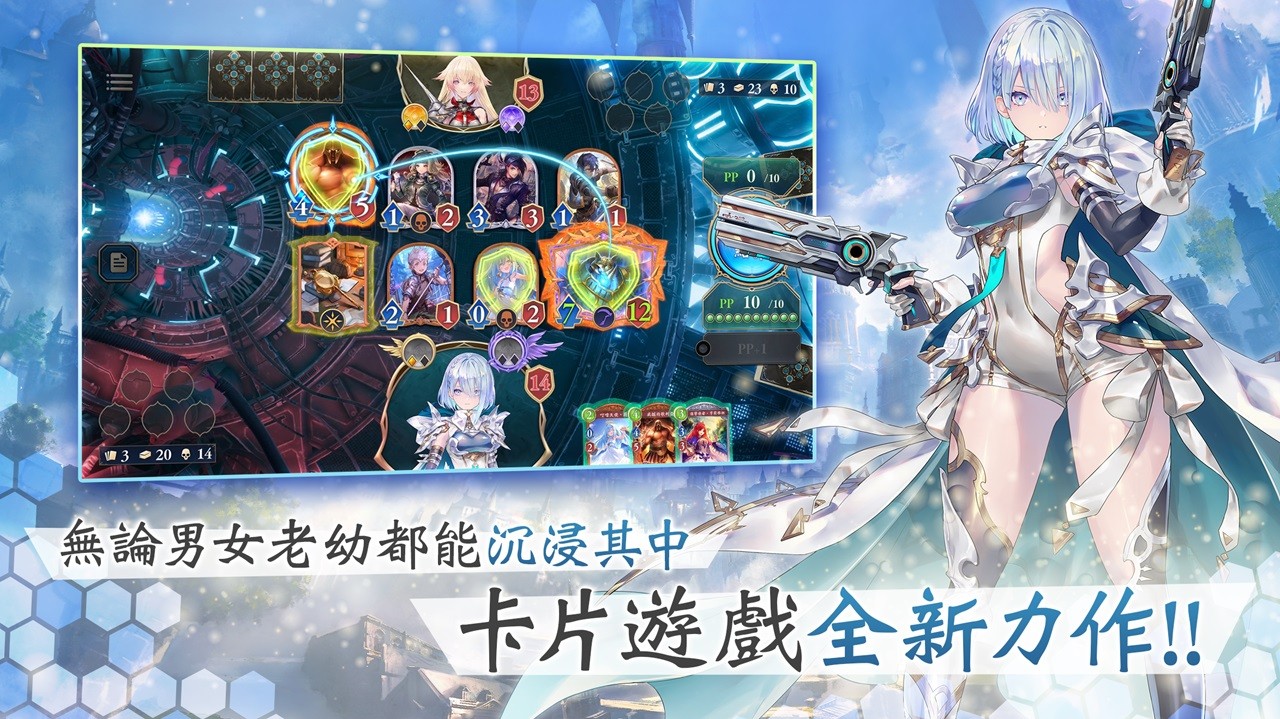
I. Foreword & Game Overview
A. Game Identity
Worlds Beyond is actually an “evolved upgrade” from Cygames’ classic Shadowverse, which has won massive recognition from players worldwide. If you’ve played the original Shadowverse, this is like jumping straight into the game’s second chapter—it keeps the core mechanics of deck-building and turn-based battles, while adding tons of new features and social interaction designs. For new players, its entry barrier is way lower than other card games that are completely unfamiliar; since you have that familiarity with the original, the learning curve is much softer.
In terms of positioning, this game combines the traits of a competitive card battle game (you can fight and exchange ideas with players from around the globe), plus the fun of collecting cards, and it also includes social interactions, character stories, customization systems, etc. Simply put, it’s a highly comprehensive card game.
B. An Evolved Version of Cygames’ Card Battle Games
If we compare the original Shadowverse to a mature card game, Worlds Beyond is undoubtedly its “next-generation evolved version” — besides adding the highly anticipated “Super Evolution” mechanic, it also adds a dedicated social area called “Shadowverse Park”, which makes card battles no longer just a simple loop of drawing cards, playing them, and attacking.
The design’s significance is: the game not only tests your deck strength and operational precision, but also provides more room to develop “strategic depth” and “social interaction”. Veteran players can dig up deeper strategy gameplay, while new players can gradually find their own entry direction.
C. Core Features for New Player Friendliness
From my actual experience playing, I feel this game is very newbie-friendly, with several standout design highlights:
-
First is multi-platform support: it can be played on both iOS and Android mobile devices, and the PC version can also be downloaded on Steam and Epic Games Store. Players can choose the device that suits their usage habits, which is super flexible.
-
Second is the clear process planning: from account creation, new player tutorials, to deck-building, there are clear step-by-step guides, so new players won’t feel confused. Although card games have a certain learning curve, this game has done its best to lower the entry barrier, so you won’t feel intimidated and give up easily.
-
Last is the rich welfare: there are daily login rewards, free card packs, and an experience accumulation system. New players won’t be caught off guard at the start, and can slowly experience the fun of the game.
All in all, even if you’ve never touched a card battle game before, it’s totally fine — Worlds Beyond is a game that’s “easy to pick up, and has rich content when you play in depth”, suitable for all types of players to get started.
II. Game Installation & Initial Setup
A. Supported Platforms & Download Process
1. iOS & Android Versions
-
The mobile version is super easy to download: open the App Store on iOS, or Google Play on Android, directly search for “Shadowverse: Worlds Beyond” to find and download it, no need to bother looking for other resources.
-
Before installation, it is recommended to confirm whether your phone’s system is supported: for example, Android needs to be a relatively new version, and iOS must also meet the minimum required version requirements, to avoid installation failures that waste time and affect subsequent game experience.
2. PC & Emulator Support
-
If you prefer playing on PC, there is a corresponding PC version available on Steam and Epic Games Store (for Windows systems), and the visuals and controls are
It’s way smoother here, perfect for players who love a big-screen experience. While you *can* run the mobile version on PC via emulators, we strongly recommend downloading the native PC version instead—it’s far more stable, runs way better, with no lag or distorted graphics, and offers a much better overall gameplay experience.
B. Account Creation & Login Guide
-
Once installed, opening the game will walk you through creating or logging into an account. You can register with your email, or link it directly to third-party accounts like Google, Facebook, or Apple—no need to remember a million passwords, it’s super quick and convenient.
-
We highly suggest setting up your account security right after registering, such as enabling two-factor authentication, to prevent account theft and protect all the game progress you’ve spent time building plus any items you’ve purchased!
-
(Make sure to properly set your password and verification methods!) This will help you avoid losing your game data later on.
C. New Player Onboarding for First-time Launch
-
When you enter the game, the system will fully guide you through the entire new player tutorial, covering everything from basic operation explanations, how to play cards, complete battle steps, to unlocking the Evolution mechanic—it’ll walk you through all the game basics step by step. We genuinely advise not skipping this tutorial at will! Many subsequent game mechanics are built on the knowledge from the tutorial, and missing it will make you stuck easily later.
-
After completing the tutorial, the system usually gives out a new player gift pack or free card packs, which are your initial resources for the early game—don’t miss claiming these!
III. Battle Mechanics & Core Rules
A. Core of 1v1 Turn-based Battles
*Shadowverse: Beyond the Worlds*’s battle core is a "1v1, turn-based" gameplay style! Each turn, you can choose to play cards, summon Followers (also called Minions or Units), cast Spells, or place Amulets—both players take turns operating. The ultimate goal of the game is to reduce the opponent Leader’s HP to 0, which is similar to the core gameplay of many classic card games.
B. PP Energy Points System Deep Dive
-
PP (short for Play Points, the energy points) is the core resource you use to play cards each turn! You gain exactly 1 PP per turn, and summoning Followers, using Spells, or placing Amulets all consume a corresponding number of PP, making it a key element to control the game rhythm.
-
Learning to manage PP is truly the key to playing this game well! Every turn, you need to think about: Should you quickly deploy Followers to build an attacking presence this turn? Or save PP to defend against the opponent? Even hoard it to play stronger cards next turn? Different choices have a huge impact on the subsequent battle!
C. The Three Card Types: Followers, Spells, Amulets
-
Followers: These are the units on the battlefield! They have Attack and HP, mainly used to attack the opponent or defend your own Leader, and are the main force for building board presence in your deck.
-
Spells: One-time effect cards! They can directly damage enemies, help you draw more cards, or interfere with the opponent’s operations—they’re useful for all kinds of unexpected situations.
-
Amulets: A signature card type of this game! After placing them on the field, they last for a period of time or activate specific conditions, such as giving you 1 extra resource per turn after entering the field, or triggering a special effect immediately when landing.
Combining and flexibly using these three types of cards is the core of building your own custom deck!
D. Evolution & Super Evolution Systems Explanation
-
Evolution: A classic mechanic inherited from the original version of this game! When you accumulate Evolution Points (EP), you can evolve a Follower—this not only boosts their Attack and HP, sometimes adds extra battle effects, making it an important operation to increase combat strength.
-
Super Evolution: A highlight mechanic of this game! When meeting specific conditions, you can use "Super Evolution Points" to evolve a Follower into a stronger form—their Attack and HP will increase significantly, sometimes even breaking through the opponent’s defenses to directly attack the opponent’s Leader!
Choosing the right time to use Evolution and Super Evolution tests your judgment of your own deck and the current battle situation.
E. Attack Steps & Hand Management Tips
-
The standard process of a whole turn is very simple: Draw Phase → Play cards if you have PP
You'll select plays each turn—like summoning followers, casting spells, or placing amulets → followers attack as per their rules → and finally end your turn. Managing your hand is super important! Don’t play all your cards at once, or opponents will easily exploit the gap when you have no cards to respond with. But also, don’t hoard cards until your hand is full. You need to balance your current board state, your resources, and what your opponent might do next~
-
In card battles, "battlefield rhythm" is often more critical than the strength of individual cards! Every turn, ask yourself: Should I play minions to build board advantage? Should I press the advantage as the first player? Or should I hold back and defend to counterattack later?
-
The biggest mistake new players make is only focusing on playing powerful cards or spamming minions, while ignoring their opponent’s possible counterattacks during their own turn. Experienced players know that good rhythm means "taking action every turn, so you don’t stay on the defensive for too long." Mastering rhythm, predicting your opponent’s moves, and knowing when to evolve cards is the key to picking up this game quickly~
IV. Class System & Guide to Choosing Your Class
A. Brief Intro to the 7 Classes
At the start of the game, you’ll pick a Class to build your deck. Each class has a unique playstyle and advantages. Here’s a more casual breakdown of the 7 classes:
-
Royal Guard: Fast-paced, can flood the board quickly, and has strong control. Perfect for players who like to take the initiative and dominate the battlefield~
-
Wizard / Spell-Caster: Relies heavily on spell damage, plus has amazing card-burning and game-turning abilities. If you love that rush of wiping out opponents with a flurry of spells, this class is for you~
-
Necromancy: Focuses on graveyard resource management, can revive fallen minions, and has a creepy, eerie playstyle. If you love dark vibes and the rhythm of building up slowly for a big counterattack, this class is perfect for you.
-
Dragons: Specializes in summoning huge, powerful minions, focusing on high burst damage. Evolving your cards can lead to overwhelming board advantage. If you love the feeling of summoning a beast and showing off your power, this is the class for you.
-
Fairy / Sylvan: Excels at card synergy and buff management, with extremely versatile decks and high strategic depth. If you love diverse tactics and lots of playstyles, this class is definitely worth trying.
-
Vampire / Bloodcraft: Core identity is trading your own HP for powerful effects. High risk, high reward, and super challenging to master. If you’re into thrills and high-risk high-reward gameplay, you have to try this class.
-
Cleric / Priest: Focuses on healing and shield effects, a defensive-counter class. Slower-paced but very consistent. Perfect for players who enjoy taking things slow and playing it safe step by step.
B. New Player-Friendly Class Recommendations
For new players trying this game for the first time, I’d recommend: Royal Guard or Cleric.
-
Royal Guard: Fast offensive rhythm, simple and straightforward play logic. New players can quickly feel the rush of pushing forward toward victory, making it super easy to pick up.
-
Cleric: Might not be the most powerful, but with great defensive ability and consistent play rhythm, mistakes are less punishing. New players have plenty of time to get familiar with all game mechanics and learn gradually.
C. Class Power Ranking & Role
Here’s an unofficial "rough tier list" for the current version, but remember the meta will change—take this with a grain of salt:
-
Royal Guard (High power, lots of playspace)
-
Dragons (Large minions + evolution advantages)
-
Wizard (Strong card burn and spell control)
-
Fairy (Versatile strategies, but less consistent)
-
Vampire (High risk, high reward)
-
Necromancer Class (high operational requirements, steep learning curve)
-
Bishop Class (excellent defense but slow offense, stable for beginners but progression may be slow)
D. Long-Term Class Selection Strategy
-
If you just want to test the waters, pick Royal Guard or Bishop.
-
If you want to commit long-term: specialize in 1 to 2 classes to define your deck direction and master their tactics. Picking too many classes will likely make you a "jack of all trades, master of none".
-
Pay attention to version updates (new card packs / balance adjustments), as a class can suddenly get buffed or nerfed. Being flexible is more important than sticking rigidly to one choice.
V. Card System and Summon Mechanics
A. Card Rarities (SSR, SR, R, Bronze)
In this game, cards have different rarities. Common ones are:
-
SSR (Super Rare): Usually the most powerful and impactful cards.
-
SR (Rare): Better than regular cards, very commonly used.
-
R (Common Rare): Balanced cards, mostly used for stable deck building.
-
Bronze / Copper Card: Basic cards, though lower in strength, they ensure deck stability and have low cost.
Understanding the meaning of each rarity will help you decide your card pulling strategy and resource allocation.
B. First Pull Card Recommendations and Strategy
-
For your first pull, aim for SSR or SR cards that match your chosen class. This will give you a stronger start.
-
It’s not recommended to pour all your resources into "pulling the rarest cards". A couple of core cards plus a large number of reliable common cards will let you play well too.
C. Card Pool Mechanics and Pulling Guide
-
It’s recommended that new players first pull from the regular card pool to accumulate stable resources and cards. There’s no rush to invest in limited card pools until you’re more familiar with the game’s mechanics.
D. Card Synthesis and Enhancement Methods
-
Most games feature a "card synthesis" or "material crafting" system. Players can use duplicate pulled cards, or a specific number of special materials, to exchange for the cards they need.
-
If the game supports card enhancement, upgrading cards is definitely key to boosting your combat power, as it directly improves all of a card’s effects. It’s recommended to prioritize investing resources into core cards of the class you use most, to maximize resource efficiency.
E. Card Evolution Lines
-
Some cards have evolution or even super-evolution branches. When building a deck, don’t just look at the card’s base stats; you should prioritize: "After evolving this card, does it fit my deck’s strategy?" This is the core of building a strong deck.
F. SSR and SR Card Tier Lists
Although game version updates will keep adjusting card power, it’s recommended to refer to popular card tier lists in the community, or official/third-party card databases, such as dedicated tools like Shadowverse’s WB Deck Portal, to understand the strength of SSR and SR cards in the current meta. But a special reminder: powerful cards aren’t mandatory to use. A card that fits your deck’s strategy is the one that’s truly useful.
VI. Deck Building and Tactical Planning
A. Basic Principles of Deck Building
-
Before building a deck, you need to clarify its win condition: is it fast aggro rush, control and attrition, or heal-tank, annihilation-type play? When choosing cards, base them on your class’s traits, try to minimize cards unrelated to your class, to avoid disrupting the deck’s smooth flow.
-
Pay attention to controlling the number of cards. Most games set rules for 40 or 50 cards. Too many random cards will easily lead to situations where you "can’t draw core cards", greatly reducing the deck’s stability.
B. Fast Aggro Deck Gameplay
If you choose an aggro-type deck, the core tips are: run lots of low-cost follower cards, put up strong pressure in the early to mid game, trigger evolution effects as soon as possible, and be able to end the game quickly. When playing aggro, always keep an eye on "can I take action on the first turn" and "can I pressure the opponent before they set up a stable field".
C. Control Deck Strategy
Control-type decks have a relatively slow pace, playing through spells or amulets
These decks focus on clearing the opponent’s field, slowing down their attack pace, then turning the tide with high-quality cards or evolution effects to win big in the mid-to-late game. They demand real patience and sharp judgment to pull off successfully.
D. Recovery Deck Analysis
Healing-centric decks are all about steady attrition—they run lots of healing, shields, and defensive minions to make it nearly impossible for opponents to break through your line. You rack up advantages slowly and lock in a win, making these perfect for players who prefer a slow, methodical playstyle.
E. Revenge & Annihilation Mechanic Decks
The core idea here is: The harder you get hit, the stronger your counterattack becomes. Alternatively, you can trigger evolution effects by wearing down the opponent’s HP or breaking their field, then finish them off in one powerful swing. These are high-risk, high-reward—you need to time everything perfectly, but when you pull off a win, that satisfaction is unmatched.
F. Resonance & Enhancement Archetype Decks
Resonance or enhancement decks are built around specific classes or card mechanics. Meet certain conditions, or combo cards well, and you get huge power boosts. These decks are super strategic—great for experienced players who already have a solid grasp of the game’s core systems.
G. Large Minion Decks
Classes like Dragoncraft (or any class that focuses on big minions) usually run these decks. You intentionally slow the game pace to hoard resources, then drop a massive minion or its evolved form—by that point, opponents rarely have enough to block it. The biggest key is surviving until you can play those big cards.
H. F2P and Light Spender Deck Tips
-
For F2P players (who spend almost nothing or next to zero), stick to low-cost, common cards first. Don’t chase every new rare or limited card blindly—focus on building your deck around a solid strategy instead.
-
Light spenders can take advantage of early-version drops, event gacha, or limited card discounts to invest resources smartly. At the end of the day, you don’t need to drop big cash to do well—just understand the game’s mechanics, practice a lot, and make the most of what you have.
VII. Leader Skill System
A. Active Leader Skills Overview
On top of cards, every player has unique Leader Skills—these are abilities you can activate on your own, or powerful effects that trigger when certain conditions are met. They add way more depth to your game tactics.
B. Passive Leader Skill Categories
Beyond active skills, there are passive ones too—like gaining extra resources each turn, or getting a buff when you hit a certain condition. When building your deck, you need to pair these passive skills with your deck strategy as well.
C. Leader Skill & Deck Synergy
Once you pick your Leader Skill, your deck design should revolve around that skill. For example, if your skill is "draw an extra card each turn", build a deck focused on card draw plus board control to make the most of it.
D. Leader Skill Tier List
While skill strengths get tweaked every balance update, generally, skills that are easy to trigger, have wide-ranging effects, and low risk are the most powerful. Keep an eye on game communities or pro guides to find the current meta Leader Skills.
E. Skill Selection & Evolution Priority
When you have multiple skills, or the same skill has different levels, prioritize upgrading the ones you use often, that fit your deck well, and give clear, big boosts. Don’t waste resources on skills that "look cool" but you’ll almost never actually use.
F. Leader Leveling & Enhancement
Games usually have a Leader leveling system—you earn experience, use special resources to level up,
unlock new skills, all that good stuff. Treat this like a long-term investment: log in daily, finish quests to build resources slowly. Stick with it, and you’ll definitely feel a big improvement in your play.
VIII. Economy & Resource Management
A. Virtual Currency & Shop System
There are several types of in-game currencies: free ones you earn through play, event-exclusive ones, and ones you can only get by spending real money. The in-game shop usually has card packs, limited-time items, Leader skins, special card vouchers, and more. You need to figure out which are must-buys (your priorities) and which you can hold off on for later.
B. Daily Quests & Resource Farming
-
Logging in daily and finishing daily quests is the fastest way to accumulate resources. Don’t sleep on these small, simple tasks—sticking with them long-term will save you tons of valuable resources.
-
Make sure to finish both daily and weekly quests every single day, especially right after a game update. The resources from these quests are super helpful for building decks and upgrading cards.
C. First Roll Bonus & New Player Bundles
New players who just start the game usually get perks like "first card roll discounts" or "new player-exclusive
We highly recommend you grab all these gift pack perks—don’t miss out! This is the perfect time to build a solid foundation for your game play.
D. Ways to Get Card Vouchers
-
Besides regular gacha pulls, the game usually offers items like “Card Vouchers” or “Trade Tickets” that let you pick exactly the cards you want, or draw specific card packs. Using these vouchers smartly will help you build a more consistent deck.
E. Micro-Transaction Tips & Priority Spending
-
If you’re willing to spend a small amount of money (that’s what we call mini-top-up players), we suggest prioritizing event-exclusive card packs, early-game meta-powerful cards, and gacha voucher items. Don’t blow your initial budget on “unlimited gacha pulls” right away—you’ll probably end up with cards that don’t fit together later on.
F. Free-to-Play Player Strategy Guide
-
The key for F2P players is “resource efficiency” and “mastering your strategy.” Even if you don’t spend a dime, you can make up for the gap with time and game skills. We recommend: focusing on one class, mastering 2-3 deck builds, and completing all daily quests consistently.
IX. Events & Reward Codes
A. How to Get Gift & Redeem Codes
-
The game’s official team often releases “Redeem Codes” or “Gift Codes” on social media, streams, and collab events. These codes usually let you redeem card vouchers, in-game currency, or limited-time items.
B. How to Enter Codes & Common Issues
-
The redemption process is usually: find the “Redeem Code” option in the main game menu or “Settings,” then input your code. If the code won’t redeem, common reasons include: expired code, region lock, or the code has already been used on this account. We suggest checking the event page first to confirm the code’s validity.
C. Coupons & Special Vouchers
-
Some events offer “Coupons” or “Special Redeem Vouchers” that do things like: halve the cost of gacha pulls, double card pack draws, or redeem limited cosmetics. Keep an eye on official event announcements for these.
D. Seasonal Events Overview
-
The game’s ops team usually releases seasonal events around holidays and version updates—think “Christmas Events,” “Summer Events,” and “Version Anniversary Events.” These events give out tons of rewards, and some even directly impact the current meta deck power levels.
E. Collab & Limited-Time Events
-
Many card games have been doing collab events with anime, movies, and big brands lately—Shadowverse: Evolve might have these in the future too. These limited-time events are short, but they usually come with super unique perks and exclusive cards.
F. New Player Events & Rewards
-
New players usually get exclusive perks like “free card packs for logging in” and “rare cards for completing newbie quests.” We recommend claiming all these right when you start playing to build a strong foundation early on.
X. PvP & Competition System
A. Ranked Rules & Rank Points
-
The game has “Ranked Matches” where you earn Rank Points after battles to climb higher ranks. This is where players show off their deck strength and skill.
B. Match Tips & Mindset
-
Mindset is super important in battles: don’t get discouraged if you lose—stay calm and figure out why you lost: was it bad RNG, a misplay, or a bad strategy choice?
-
During battles, learning to read your opponent’s moves and predict their strategy is key to getting better and growing as a player.
C. Win Streak Strategy & Opponent Analysis
-
If you start a win streak, pay attention to the current “top meta decks,” “popular classes,” and “common play patterns.” That way, you won’t feel helpless or get outplayed when you face opponents.
D. Arena Challenges
-
Besides regular Ranked Matches, some games have special game modes like Arena Challenges.
Tournament/Arena modes let players battle using restricted card pools or specific rules.
If Shadowverse: Edge of World adds this kind of gameplay, it’s definitely highly recommended for players to experience. It’s not only fun to play, but also helps you quickly hone your skills.
E. Ranked Deck Recommendations
For new players just starting out, it’s recommended to prioritize "high-stability and low-cost" decks to get started. Don’t challenge top-tier decks that require tons of rare cards and have extremely high operational barriers right from the start. Once you get familiar with the game’s pace and basic operations, slowly moving to high-tier decks will be much smoother.
F. High-Rank Player Tips
Many top players who’ve successfully climbed the ranks mentioned that focusing on mastering the stability of 1 or 2 decks is far more effective than a "spread-out" strategy where you try every deck.
「I started focusing on one deck and I climbed faster than trying to switch every week.」 I totally agree with this line. In fact, many times, mastering one deck to its fullest will help you climb steadily more than switching decks frequently.
XI. Version Updates & Card Packs
A. New Card Pack Release Schedule
The game regularly launches new card packs or expansions. Every time a new card pack goes live, it can significantly impact the current meta’s strong cards and main deck builds. It’s recommended that players keep an eye on official announcements to stay updated on the latest version trends.
B. New Card Strength Evaluation
When a new card is first released, it usually has high strength ratings and is a hot target for players to pull. But this also means heavy pay-to-compete pressure and certain risks when starting out. It’s recommended to observe for 1-2 weeks to see how the card performs in Ranked or Arena before deciding whether to invest resources in pulling it.
C. Balance Adjustments & Numerical Revisions
To maintain the game’s fairness and competitiveness, the official often introduces card balance adjustments. For example, if a card is too strong, its stats will be nerfed; if a specific class is too powerful, its stats will be adjusted down, etc. Players must stay sensitive to information to adjust their deck strategies in real time.
D. New Mechanics Introduction (Hyper-Evolution etc.)
The Hyper-Evolution mechanism in Edge of World is one of the game’s unique features. Every time a new mechanism is added in a new card pack, it’s usually a period of drastic meta changes. If you can quickly master these new mechanics, you can gain an advantage in the early stage of the version.
E. Official Announcements & Maintenance Notices
The official (Cygames) will release important information like game updates, server maintenance times, event notices, etc., through official websites, fan pages, and other social platforms. It’s recommended that players follow the official account to avoid missing any maintenance or event benefits.
XII. Community & Player Resources
A. Official Facebook Community
On social platforms like Facebook and X (formerly Twitter), the official will release activities, gift codes, and game experiences shared by players from time to time. Joining these communities not only gives you practical benefits, but also lets you feel the company of fellow players and not feel lonely.
B. Bahamut Forum & Discussions
Though we’re excluding sites from mainland China here, forums in Taiwan and Hong Kong (like Bahamut) have a lot of player discussions. You can find deck builds they share, problems they encounter, and the latest meta insights here—all very useful references.
C. YouTube Strategy Channels to Check Out
Many players and streamers share content like beginner guides, deck breakdowns, and high-level match videos on YouTube. Watching these videos can quickly help you understand the game’s core mechanics and improve your overall game knowledge.
D. Player Deck Sharing Platforms
For example, Shadowverse’s deck database site, like shadowverse.gg, has a complete deck library and card ratings. Players can look up various practical deck builds here.
E. Ratings Practice System
If the game has a practice mode or AI battle system, this is definitely a great place for you to hone your skills. Don’t only play Ranked matches—appropriate practice is actually a secret weapon for steadily climbing to high ranks.
F. Unofficial Wikis & Databases
Unofficial wikis, player-made card databases, and player discussion threads are all extremely valuable resources
When you hit a wall in the game, need to look up card effects, or get ideas for deck building, these resources will definitely come in handy.
XIII. Common Questions & Newbie Mistakes
A. How Should You Plan After Your First Pull?
A lot of new players have no idea what to do after their first pull. We recommend figuring out which classes and core cards you like first before building your deck. Don't waste resources pulling random cards from different classes—spreading yourself too thin will only hold you back.
B. When Should You Pull New Card Packs?
The best time to pull new packs is when a new set just drops, the game has boosted events, or when the meta is about to shift hard.
If you're low on resources and still getting the hang of the cards, focus on building a solid foundation with what you have first. Once you're familiar with the meta and your in-game economy is stable, it's not too late to go after new sets later.
C. How Should You Prioritize Crafting Cards?
Prioritize crafting core cards for the classes you use often—these are the keys to your matches. Don't dump all your resources into rare classes you haven't mastered yet; wasting resources will only slow your progress.
D. What To Do If A Promo Code Is Invalid Or Fails To Redeem?
First, check for typos, whether the code is expired, or if it's supported in your region. If none of those are issues, contact customer support right away or check the official announcements for fixes.
E. How To Rank Up Fast In Ranked Matches?
Master 1-2 decks and get really good at playing them—don't spread yourself too thin. Study the current meta decks, avoid your opponent's strategies, and your win rate will jump way up. Also, after every match (win or lose), take a second to think about what went wrong. Learning from your mistakes is the fastest way to improve.
F. Can F2P Players Compete In Ranked?
Absolutely! F2P players lack resources, but that doesn't mean you can't win. The key is strategy, skill, and understanding the game's mechanics. If you put in the work to study, you can definitely get good results in ranked.
XIV. Advanced Tips & Best Practices
A. Analyze Opponents & Pick Counters When you keep running into a specific class or deck (like Aggro Dragon), ask yourself: What cards or strategies can I use to counter them? For example, if you have tools to boost board control, shields, or counterplays, adjusting for your opponent will make matches way easier.
B. Mindset & Time Management For Ranking Up Ranking up doesn't happen in a day—don't rush it. If you spend a little time playing and learning each day, you'll build up your skills over time. We recommend setting aside time daily to play matches, reflect, and tweak your deck. Don't just play and then ignore improving after that.
C. Tips For After A New Card Set Drops When a new set first drops, everyone is testing things out. This is your chance to watch which cards are being used a lot and which classes are getting strong. Get familiar with these popular picks first—getting a head start on the meta will naturally give you a higher win rate.
D. Playing Multiple Classes Vs. Mastering One Class Playing multiple classes is fun, but if you want to push into competitive play or level up fast, focusing on 1-2 classes is more efficient. You can branch out once you master those—no need to waste time trying to do everything at once.
E. The Path To Becoming A Top Ranked Player Becoming a top player boils down to 'learn + practice + reflect + adjust'—it's not just luck, it's making fewer mistakes, having clear plans, and reacting fast. We recommend writing down why you win or lose matches every day—it's super helpful for improving, and tons of pro players do this.
XV. Final Words & Call To Action
A. The Long-Term Lifespan of 闇影詩章:凌越世界 闇影詩章:凌越世界 isn't a game you finish in two weeks—it's a type of game that requires long-term investment and strategic thinking. The more you play and plan, the bigger your sense of achievement. Just take your time and enjoy its depth.
B. How Community Participation Boosts Your Game Experience Don't play alone—join communities, read guides, share your decks, and join events. This will make your game experience way more fun, help you learn faster, and you'll meet lots of people who love the game too.
C. Encouragement To Share Decks & Match Thoughts If you found this guide helpful, feel free to share your own decks and match experiences in communities or social feeds. Your experience might help other players too, becoming a reference for them.
D. Visit This Guide Regularly For The Latest Updates & Codes The game will update, card sets will change, events will shift. We recommend coming back to this guide regularly or checking official sources. Don't miss out on meta shifts or limited-time perks.
Okay.
Alright, so that’s my complete Shadowverse: Worlds Beyond guide, put together from a fellow player’s perspective. I hope you’re not just having fun playing this game, but also playing smart! If you want to dive deeper into a specific class or need deck recommendations, I can put together a follow-up post for you. Catch you in-game, and good luck with your win streaks and pulls!