Loop War: Newbie Gacha, T0 Character Picks & F2P Complete Starter Guide
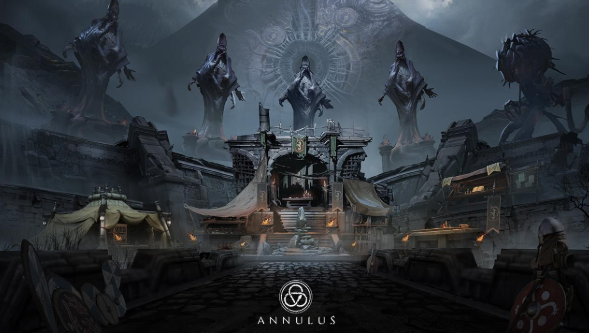
Ring War is a dark fantasy medieval turn-based strategy game. When you enter the game, you’ll become a mercenary squad leader—you need to collect mercenaries, upgrade weapons, arrange positions, and make the most of the terrain to push through battles. This isn’t an idle game where you can auto-clear stages just by pulling high-rarity characters. The key lies in details like class roles, movement range, attack areas, elemental terrain, weapon counters, and progression pacing. Because of this design, the "Ring War First Pull" (Ring War First Pull) is indeed important for new players, but not absolutely critical. Pulling good characters will make your early game smoother, but if you waste Dragon Scales randomly, upgrade weapons haphazardly, or train characters carelessly, you’ll still get crushed by enemies in the first few chapters.
My biggest takeaway from playing turn-based strategy games like this is: when considering your first pull, focus on whether it lets you progress steadily through the main story, not just character rarity. The official store page also clearly positions Ring War as a dark fantasy turn-based strategy game, emphasizing that players must constantly collect and train resources like mercenaries and weapons to build their own custom mercenary army. In other words, pulling a character is just the first step—what really makes your account strong is how you allocate resources later. This article uses terms common among Taiwanese players to organize key points like unlocking your first pull, first 10-pull, second 10-pull, Spiced Wine, Dragon Scales, T0 characters, Common Gold, F2P starting, and rerolling the first pull—all to help you avoid wasting precious resources early on.
III. Ring War First Pull Overview
A. First Pull Unlock Conditions
The first pull feature in Ring War isn’t available right when you start the game. You need to follow the newbie tutorial and main story to unlock the recruitment function first, then you’ll enter the first pull process. Don’t rush to skip all tutorials during this time—basic concepts for turn-based strategy games are super important, like height differences, movement grid count, attack range, skill area, enemy aggro, and terrain effects. If you only care about pulling quickly but don’t understand movement logic, even strong characters you get later won’t save you from getting swarmed by enemies.
After unlocking the first pull, new players get some early recruitment resources, usually Spiced Wine and Dragon Scales. The key point here: you can safely use Spiced Wine for the newbie recruitment pool, but it’s recommended to save Dragon Scales. Dragon Scales are a more versatile and rare resource, and you’ll definitely need them for limited-time UP pools or strong character pools later on.
B. First and Second 10-Pull Pity Value
Many players talk about Ring War’s first pull when discussing the value of the first two 10-pulls. For new players, these two 10-pulls are key to judging if your account is a good start. The ideal scenario is to get a strong Gold character that can steadily push stages in these two pulls, or at least form a team with complete roles: like a frontline tank, healer, magic damage dealer, and ranged support.
But I want to remind new players not to only care about Legendary characters. Some Legendary characters are strong, but their early training cost is super high. Some Common Gold characters might not look as flashy as rare ones, but they can actually help you clear stages well. Roles like healers, magic area damage dealers, ranged finishers, and frontline tanks have a huge impact on your game experience in the first 7 chapters. Pulling a useful role is more practical than pulling a high-rarity character you can’t train right now.
C. Spiced Wine and Dragon Scales: Gacha Resources
Spiced Wine is mainly for recruitment—you can use it to finish the newbie gacha process early on. For Dragon Scales, use them carefully. Besides gacha pulls, they’re core resources for limited-time UP pools later. A common mistake new players make is getting trigger-happy when the standard pool is available, blowing all Dragon Scales on it, then having nothing left when limited-time UP pools come out.
A more reliable allocation method: Use Spiced Wine for your newbie pity pull. Save Dragon Scales for later—use them when limited-time UP pools come, or for specific character pools you actually need. Remember, Ring War’s power doesn’t come from how many characters you have; it comes from how complete your trainable main lineup is. Pulling 10 unused characters is worse than pulling one character that immediately fixes a gap in your team.
II. Ring War Newbie Gacha Tips
A. Newbies: Don’t Pull the Standard Recruitment Pool
The biggest problem with the standard recruitment pool is it’s too broad and unfocused. What new players need most early on is steady stage progression, not collecting random characters. The standard pool has lots of different characters, so the chance of getting off-pulls is high—you might end up with a bunch of characters with overlapping roles you won’t use anytime soon. This is really bad for players with limited resources, because even if you get them, you might not have materials to train them. If you’re F2P or a small spender, don’t waste too many Dragon Scales on the standard pool unless an event quest requires it. Early on, Spiced Wine and free recruitment tickets from the system are enough—save Dragon Scales for more specific pools.
B. Prioritize Saving Dragon Scales for Limited-Time UP Pools
The limited-time UP pool’s
The upside here is that you have a clear goal—you know exactly which character you’re going after, and it’s easier to align with what your account needs. For example, if your team is missing magic damage dealers, wait for the magic core banner; if you need a frontline tank, save for tank or strong melee banners; if you want PVP-focused characters, consider competitive ones. This way of pulling is way more efficient than random pulls on the standard banner and saves your precious resources.
This scenario happens more often than you think.
Especially in tactical RPGs, the bar for character development is really high. To make a character truly shine and join your team, you need to max out their level, unique weapon, key skills, potential ascension, and even class promotion. That’s why when you choose to pull for a character, you have to pair it with your development capacity—don’t just pull for a meta character blindly. If you can’t actually develop the character you pull, it’ll just sit in your storage as decoration, totally useless.
C. Gacha Resource Allocation Guidelines
Based on my own playtesting, here’s my advice summed up in three key points: Prioritize using Premium Brew Tickets for the guaranteed pity pulls early on, always save Dragon Scales for character-specific banners, and focus all development resources on a single main party. This rhythm is stable and won’t waste rare resources. Don’t waste time rerolling for initial pulls while also mindlessly using Dragon Scales on random banners—also don’t try to level up every new character you get. Early game, you only need one party that can push through the main story steadily; you don’t need to develop every single character and waste resources.
III. Ring Warfare Initial Roll Character Recommendations
A. Top-Tier Characters to Grab First
If you pull a highly versatile character like the Alliance Commander, Mooncaller, Imperial Marshal, or Nightingale in your initial roll, you can safely settle in and skip wasting time rerolling. These characters aren’t just strong for their stats—they bring consistent damage or key utility across all kinds of stages. The Alliance Commander works as a solid core for your entire party; Mooncaller excels at magic damage and area control; the Imperial Marshal is extremely powerful but needs a lot of resources to reach full potential; the Nightingale stands out in certain special dungeons or story stages.
That said, this initial roll recommendation isn’t a hard requirement to start the game—it’s just to show you which early game direction will feel smoother. After all, for tactical RPGs, beyond character strength, skillful play and development planning play a huge role. You can still play perfectly fine without these top-tier characters—you’ll just need to rely more on common gold rarity characters to fill in your party roles early on.
B. Common Gold Characters You Must Develop Early
Ring Warfare has a unique design where common gold rarity characters are actually way more valuable than they seem. Characters like the Thunder Mage, Fire Mage, Holy Healer, Guardian, Ranger, Sharpshooter, and Pegasus Knight all bring real value in the early to mid game. Thunder and Fire Mages can clear large groups of enemies; the Holy Healer keeps your party in the fight; the Guardian takes hits up front; Rangers and Sharpshooters deal safe damage and finish off foes; Pegasus Knights use their high mobility to handle enemies on special terrain or target backline threats.
New players often fixate only on the top-tier characters early on, ignoring these amazing common gold characters. In fact, if your early party has a solid healer and ranged damage, you’ll progress through stages way more smoothly than if you rely solely on one high-rarity character.
C. Core Logic for a Low-Resource Early Game Start
By a low-resource early start, we don’t mean low-rarity characters—it means a group that requires minimal resources to get and gives fast returns. New players should aim to fill four core roles first: a main damage dealer, a healer, a frontline tank, and either a ranged unit or mage. As long as these four roles are covered, you can progress through the early game smoothly even without the absolute best characters. On the flip side, if you pull three high-rarity melee units with no healer or ranged damage, you’ll struggle a lot early on.
IV. Ring Warfare Tier 0 (T0) Character Rankings
A. Tier 0 Rankings for Top-Tier Characters
For versatility in initial rolls and early game progression, the Alliance Commander, Mooncaller, Imperial Marshal, and Nightingale are all high-priority Tier 0 characters. The Alliance Commander leans into being an all-around core, helping your party hold the line consistently; Mooncaller is great for magic damage and handling special terrain; the Imperial Marshal has a very high power ceiling but needs a lot of resources to unlock it; the Nightingale is a solid utility character that works great in certain special stages.
B. Tier 0 Rankings for Common Gold Characters
Among common gold characters, the Thunder Mage, Fire Mage, Holy Healer, Guardian, and Ranger are all very worth developing. Specifically, the Holy Healer is super important for new players—having a reliable healer cuts down on total party wipes, so you don’t have to restart stages constantly. Thunder and Fire Mages provide area damage, which is perfect for dealing with groups of enemies tightly clustered together; the Guardian is a solid frontline core that lets backline damage dealers have safe space to attack.
C. Strong Heroes for PVP Arena
In PVP Arena, characters place more emphasis on speed, area control, ranged pressure, and burst damage. The Imperial Marshal, Blackblade, High-Mobility Cavalry, or powerful ranged characters will shine in the arena
they tend to have an edge here. But new players shouldn’t focus too early on training characters just for PVP—main story stages and resource stages are the core of your account’s growth. Secure resources steadily, build a strong early foundation, and then worrying about the arena will be much more practical.
V. Circle War First Pull Team Composition Recommendations
A. Starting Team Composition for Early First Pulls
The most stable starting team setup is a "frontline tank + healer + main damage dealer + ranged damage dealer + caster". For example, if you pull Alliance Commander as your first core unit, you can build a team with Defender, Holy Healer, Storm Mage, and Ranger. If you get Mooncaller instead, make her your caster core, then add a front tank and healer to round things out. This team covers all roles, so you won’t get stuck fighting specific enemy types easily.
B. Early-Stage Stage Progression Team Recommendations
When pushing through stages, don’t just stuff your team with damage dealers. Tactical RPG enemies use positioning, focus fire, and terrain advantages, so missing a front tank or healer will lead to full team wipes quickly. The recommended setup is: 1 front tank to take upfront damage, 1 healer staying at a safe distance to heal, 1 melee DPS for clearing targets, 1 mage for handling groups, plus a Ranger or Cavalry for finishing enemies and kiting.
C. Mid-Game Transition Team Composition
You don’t need to chase a so-called "dream team" in the mid-game. A mix of common Gold-tier characters + your first-pull core is more than enough. Wait for limited rate-up banners later to get the exact characters you need, then swap them in slowly. This way, you won’t waste precious resources, and your team will keep progressing steadily.
VI. Circle War New Player Early-Game Guide Key Points
A. Core Tips for Early Main Story Progression
The biggest key to early main story progress is not being greedy for kills. First, check the enemies’ attack ranges before deciding who to send in. Remember to have your front tank scout first, keep ranged characters on safe tiles, and don’t pull your healer too close to enemies. Many new players lose not because of low combat power, but because they accidentally send squishy characters into enemy attack ranges and trigger a full team wipe.
Key Focus for the First 7 Chapters
During the first 7 chapters, we recommend players prioritize concentrating resources to level up the same team—don’t rush to replace characters every time you pull a new one. For weapon upgrades, follow the same "concentrated optimization" rule: first upgrade the unique weapon of your main DPS, then strengthen weapons for frontline tanks and gear for healers. The same logic applies to skill upgrades: optimize the skills of your core team members first, avoid spreading resources evenly across all characters.
C. Early-Game Mistakes to Avoid
The four biggest pitfalls new players fall into in the early game are: wasting Dragon Scales on random pulls, blowing resources on the Standard Banner, changing leveling characters randomly, and unorganized weapon upgrades. Falling for these four will lead to massive resource gaps in the mid-game. Even if you have plenty of Dragon Scales and materials early on, you’ll quickly run into resource shortages. Always stick to the "concentrate resources" rule.
VII. Circle War Character Training Priority Order
A. Recommended First-Pull Characters to Prioritize
If you pull a highly versatile Savior as your first pull, it’s 100% safe to invest in this character. If you don’t get Savior, don’t get discouraged—you can prioritize training Storm Mage, Holy Healer, and Defender, who are versatile, can progress the main story steadily, and are accessible Gold-tier characters. For new players, a functional team that can clear the main story is more important than chasing overhyped powerful units.
B. Weapon and Awakening Investment Priority
The priority order for weapon investments should be core DPS > frontline tanks > healers. For awakening resources, be extra careful—awakening requires rare materials, and some characters need copies of themselves to ascend. Make sure you’re truly committed to long-term training this character before spending these limited resources.
C. Class Change and Leveling Planning Key Points
Class change choices should be based on your team’s gaps: if your team lacks a defensive frontline, pick the defensive class change path; if you lack AoE damage, pick a mage class change; if your team has low survivability, prioritize healer-related classes. Don’t pick a class just because its name looks cool—what matters is if it’s useful in combat and fills your team’s gaps.
VIII. Circle War Summon Pity System and Summon Tips
A. Limited Rate-Up Banner Pity System
Limited rate-up banners are generally better for new players to wait for than the Standard Banner, because they have clear target characters and are great for building your core team. After completing your first two 10-pulls, you should start saving Dragon Scales and wait for the next worth-it rate-up banner to pull.
B. Standard Banner Drop Characteristics
Standard Banner character drops
The rates are pretty inconsistent, and it’s super easy to get “off-pool” pulls—meaning you get a Gold-rarity unit, but not the class your team actually needs. That’s why many veteran players tell newbies not to focus on Regular Recruits as your main gacha pulls—you’re better off saving resources for the Limited Up Pool instead.
C. Pull Timing Tips
Before you decide to pull, ask yourself three quick questions: Can this unit go straight into my team and fight right away? Does it fill a gap my current team has? Do I have enough resources to level it up? If all three lean toward “yes,” then go for it—this avoids wasting your precious resources.
IX. F2P & Casual Players’ Reroll Tips
A. Best Starter Units for F2P Players
For F2P (Free-to-Play) players, prioritize starter units that are reliable, easy to level up, and fit your team’s needs. High-variance S-rank units like the Alliance Commander, Mooncaller, and Nightingale are obviously top-tier starter pulls. If you miss out on these, versatile “common Gold units” like the Mage Knight, Holy Healer, Defender, and Ranger will also help you get off to a smooth start and save time on main story progress.
B. Best Reroll Combos for Casual Players
The ideal reroll for casual players isn’t just a single powerful unit—it’s a combo of a core DPS unit plus a full set of viable classes. For example, a strong Legendary core unit paired with a Holy Healer, or a magic-focused core plus a frontline Defender. This kind of account is way more fun to play than one where you just have a high-profile unit that fills the same role as another unit you already have.
C. Progression Tips for Limited Resources
When resources are tight, don’t spread yourself too thin. Prioritize focusing on 5-6 core team units—your main DPS, healers, and frontline Defenders are the most important. You can work on other units later once your main team is solid and you’re pushing through the main story. For F2P players, being all over the place and constantly switching which units you level up is the worst mistake—this dilutes your resources and makes it impossible to build a strong team.
X. Reroll Tips for Circular War
A. How to Judge If You Should Reroll Accounts
If you plan to reroll accounts, use your first two 10-pull results as the benchmark: if you get a highly versatile core unit, or a great combo of complementary classes, you can keep that account. If both 10-pulls give you units that won’t be useful in the short term, then consider making a new account and rerolling.
B. Efficiency of Early 10-Pulls
When rerolling, you don’t need to chase a “perfect reroll.” After all, the real time sink in this tactical RPG is pushing the main story and leveling units—not the early pulls. As long as you can put together a usable team, you can start playing right away. It’s way better than wasting hours rerolling just to delay your early game progress.
C. When to Reroll Accounts
Common reasons to reroll: your team is missing a frontline Defender, a reliable healer, or consistent DPS, plus the Gold units you have are duplicate in roles (like two DPS units with no Defenders or healers). If you get a core unit plus 1-2 solid common Gold units, you can play with that account without wasting time rerolling.
XI. Frequently Asked Questions (FAQ) About Rerolls for Circular War
A. Which Reroll Units Are Worth Keeping?
New players can keep accounts with S-rank units like the Alliance Commander, Mooncaller, Imperial Marshall, and Nightingale. Even if you don’t get these, you can still keep accounts with highly practical “common Gold units” like the Mage Knight, Fire Mage, Holy Healer, Defender, and Ranger—you don’t have to delete your account just because you missed a high-profile S-rank unit.
B. Should I Reroll If I Get a Non-T0 Unit?
Getting a non-T0 unit doesn’t mean you need to reroll. If that unit fills a gap in your team, it’s totally fine to start playing with it. For example, healers and frontline Defenders are way more useful early game than some high-DPS units that only shine later. The point of a reroll is to have a comfortable start—not to chase “top list power.”
C. How Rerolls Tie Into Later Progression
A reroll only gives you an early game advantage—your actual play experience depends on later unit progression: weapon upgrades, skill levels, investment in ascension, class changes, battle positioning, and more—all of which directly impact your team’s performance in fights. Even if you get a high-strength unit from your reroll, if you level them up randomly without a plan, you’ll still get stuck. On the flip side, if your reroll is average but you focus resources on leveling the right units, you can push through the main story easily.
XII. Circular War Reroll Cheat Sheet
A. Best Reroll Picks List
The top priority for reroll picks is to get highly versatile S-rank units like the Alliance Commander, Mooncaller, Imperial Marshall, and Nightingale as your core. For casual players, great reroll units to consider first include the Mage Knight, Fire Mage, Holy Healer, Defender, Ranger, Sharpshooter, and Pegasus Knight. As long as
Once you can form a full team covering all key roles: frontline tanks, healers, damage dealers, mages, etc., you’ll be all set to start playing smoothly.
B. Early Game Summon Priorities
Here’s what I recommend: prioritize using your Spirit Wine on the newbie recruitment event first. Don’t waste Dragon Scales randomly—save them for upcoming limited-time UP banners! Skip the standard banner spamming entirely, and never burn resources just to fill your unit roster. Always base your summon choices on how much you can actually invest in growing your units long-term.
C. Reroll Guide Breakdown (One Glance)
The core logic for rerolling in Circular Warfare is: getting a highly versatile top-tier unit is ideal, but if that’s too tough, starting with solid, reliable gold-tier units works just fine. Never toss Dragon Scales on the standard banner—hold onto them! Your early game team needs frontline tanks, healers, damage cores, ranged attackers, and mages. The key is to focus your growth on one solid team, not spread your resources across a bunch of random units.
All in all, your reroll result in Circular Warfare will impact your early game pace, but it’s NOT the only thing that determines your account’s power. This game really tests how well you can mix unit synergy, weapon gear picks, class roles, battle positioning, and resource management. Pulling high-value units like Alliance Commander, Mooncaller, Imperial Marshal, or Nightingale is a huge bonus, but don’t stress if you miss them! Solid gold units like Thunder Mages, Holy Healers, Defenders, and Rangers will get you through the early stages with no problems.
New players, keep these points in mind: Use your Spirit Wine on early-game summons first, save Dragon Scales for limited-time UP banners. Prioritize building a balanced class team for your reroll, not just chasing rarity. Focus all your resources on leveling up one team through the first 7 chapters—don’t split them evenly between all units. Once you’re on the right path, you can slowly add more units, upgrade weapons, and boost their Ascension ranks. The growth curve in Circular Warfare is way more stable than you’d imagine.