Reigns: Wizard Guide – New Player Story Choices, Card-Based Decisions & Cross-Platform Beginner’s Ti
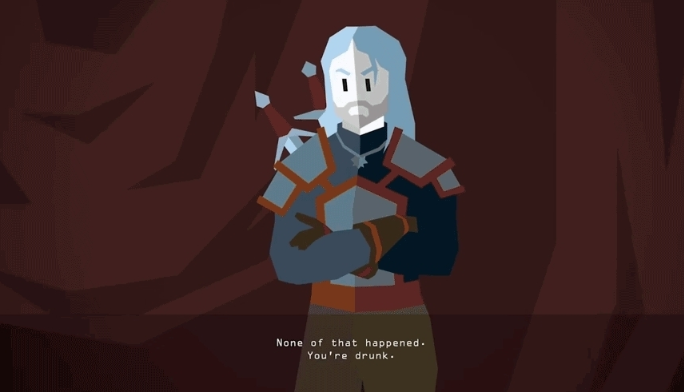
The Witcher: Thronebreaker isn’t your typical gacha card game that relies on pulling SSRs, grinding gear, or stacking power to win. It’s a narrative decision-making game from the Thronebreaker series, a collaboration with the The Witcher IP. They’ve integrated the series’ signature left-and-right choice mechanics into the entire The Witcher world, featuring iconic characters like Geralt and Dandelion. Every time you swipe a card, you could completely alter the story’s direction—even end up with a hilariously absurd death for Geralt! The game is available on PC, iOS, and Android, priced around NT$118 in Taiwan. It’s a single-purchase small game, not a free-to-play gacha-style mobile game.
I. Game Introduction & Core Gameplay Analysis for The Witcher: Thronebreaker
To put it simply, the core gameplay here is "swipe left or right to make choices". You’ll step into Geralt’s shoes, as told by Dandelion in his legendary tale, facing all kinds of quests, monsters, villagers, lovers, tavern antics, political headaches, and classic The Witcher moral dilemmas. The Steam page clearly notes that this is a new entry in the Thronebreaker series, developed by Nerial and Devolver Digital, set in the dark fantasy world from CD PROJEKT RED’s The Witcher franchise.
The "cards" here aren’t about gacha pulls at all—they’re event cards, each throwing you into a specific situation. Swiping left or right just represents different responses. It sounds easy, but if you pick the wrong choices a few times in a row, a key resource could crash, leading to a death, failure, or super chaotic ending. Players who love the The Witcher world, want a short, high-tension game session, and enjoy branching stories and dark humor will totally vibe with this title.
II. Latest Gift Codes & Redeem Codes for The Witcher: Thronebreaker
Here’s a critical clarification: The Witcher: Thronebreaker is not a free-to-play gacha mobile game, and there are no regular gift codes, serial numbers, or in-game item redeem systems. It’s a single-purchase game, so you don’t need redeem codes to get diamonds, gacha pulls, or new player bundles. The App Store, Google Play, and Steam pages all mark it as a paid download—this game focuses entirely on single-player narrative and choices, not on constant service activities like other mobile gacha games.
If you come across online lists like "2026 The Witcher: Thronebreaker Gift Codes", you should take most of these with a grain of salt—they’re probably miscategorizing this as a standard gacha RPG. The real new player "perk" is figuring out the game’s choice rules early on. What you save here isn’t gacha resources, it’s avoiding unnecessary deaths and getting less lost in the story.
III. Newbie Starter Guide for The Witcher: Thronebreaker
When you first start playing, don’t treat this like a traditional RPG! There’s no level-grinding or monster farming here, nor is there a "best starter character" (like in gacha games). The key is to notice what each event card will affect. A choice might seem simple—like accepting a quest, taking payment, or helping someone—but it can actually impact reputation, gold, connections, risks, or story flags.
As a starter tip, try a "conservative test" playstyle: When you hit an unknown event, don’t always pick the most greedy option; for high-reward quests, double-check if there’s a catch. The The Witcher series’ signature is that there are no "perfect" choices, and The Witcher: Thronebreaker really drives this point home.
IV. Character Rankings & Hero Recommendations for The Witcher: Thronebreaker
This game has no SSRs, S-tier heroes, or starter character rankings, so you need to look at character value differently. The real important characters are those that impact the event direction long-term—like Geralt, Dandelion, and other iconic The Witcher characters you know and love. Official trailers and store descriptions emphasize that you’ll go through Geralt’s absurd legend in Dandelion’s ballads, meeting many familiar faces and unexpected plot twists.
If you had to rank "usefulness", I’d split characters into three categories: 1) Main Story Drivers: When you meet these characters, it usually means the story is about to branch off in new directions; 2) Risk Characters: They can bring big gains... or lead to total chaos; 3) Event Tools: These characters mostly provide short-term gains or one-time choices. New players don’t need to memorize a list—just remember: people you know aren’t always safe, and strangers aren’t always traps.
V. Strongest Team Build Guide for The Witcher: Thronebreaker
The Witcher: Thronebreaker doesn’t have a party-building system, so "team builds" here translates more to your decision-making style. My advice is to stick to three main playstyles: Steady Flow, Greedy Flow, and Exploration Flow.
The Steady Flow is perfect for your first playthrough—stick to conservative choices, avoid high-risk quests, and take your time to weigh each option carefully.
To start, prioritize staying alive longer to see more events. The greedy playstyle is for players who already know the game well—you’ll focus on high rewards and unique events, but it comes with a higher mortality rate. Exploration playstyle means bravely trying every new option you encounter; your goal isn’t to survive the longest, but to unlock more branching paths and endings. The fun of this game isn’t getting a perfect clear in one run—it’s piecing together the full story through all your failed attempts.
VI. Reigns: Witcher Card System & Synergy Guide
The card system is the core gameplay here—each card is like a tiny event, and swiping left or right leads to different outcomes! It’s not what the options say that matters—it’s which stats or endings your choice will affect. This is what makes the Witcher series so iconic for its "gray morality": on the surface, you have two options, but the "justice-looking" pick isn’t always the safest, and the "cold-blooded" one isn’t always the worst. That’s the true Witcher feel! New players don’t need to fear failure at the start—treat every death as information gathering: if you die on a new option, no big deal. When you restart and that same event card pops up, you’ll know exactly which side is riskier. This game relies heavily on memory and trial-and-error—after a while, you’ll be building your own personal bestiary and event notebook!
VII. Reigns: Witcher Progression & Power-Up Guide
This game doesn’t have traditional gear upgrades or level systems—instead, it focuses on "player experience" progression: the more you learn the event logic, the longer Geralt can survive. The real power boost isn’t a big number jump—it’s being able to tell when to take a contract, when to say no, who to trust, and which "good deal" options actually hide traps. To learn the game fast, go over your last few choices after every death instead of restarting immediately. Treat deaths as clues—gradually, you’ll tell which choices are long-term poison and which, even if they’re short-term losses, keep the story going smoothly.
VIII. Reigns: Witcher Risk & Resource Management Guide
This game has zero summoning or 10-pull mechanics—so "resource management" is really all about controlling risk throughout each event sequence. Besides gold, hidden or semi-hidden stats like reputation, relationships, even Geralt’s sense of safety are all swayed by your choices. The biggest rookie mistake is jumping at rewards without thinking. Yeah, Geralt’s a famous witcher, but he doesn’t have to take every contract. Some options give immediate gains but will cause way bigger headaches later. My go-to playstyle: prioritize keeping Geralt alive early on, start taking more risks mid-game, and if you’re already on the brink of a total collapse late-game—pick a completely untested path. It’ll help fill your log, and you’ll find some really absurd fun along the way.
IX. Reigns: Witcher Dungeon & Competitive Mode Guide
Reigns: Witcher doesn’t have traditional dungeons, arenas, or guilds like most games—all the challenge comes from the chain reactions of event sequences and exploring multiple endings. The trick for the main story: don’t push any single stat to the extreme too fast. That’s a classic Reigns rule—if your balance is off, you’re gonna get burned hard. No leaderboards here, but you can set your own long-term goals like unlocking all achievements, collecting every ending, or maxing event completion. The Steam page notes support for single-player, Steam Achievements, and cloud saves—so PC players can take their time grinding for all achievements.
X. Reigns: Witcher New Player FAQ
Reigns: Witcher is available now on Steam, iOS, and Android. The Google Play page frames it as a new entry in the Reigns series, set in the dark fantasy world of The Witcher. Pick the Steam version if you play on PC, go mobile if you want to play during commutes or before bed. This game’s perfect for short bursts—each run is quick, and you can push the story forward with just a few card swipes. If you experience lag or crashes on mobile, try checking your OS version, restarting the game, or waiting for an official update. Early reviews on the App Store mentioned stability issues in the first builds, so keep your mobile version up to date for the best experience.
XI. Reigns: Witcher 2026 Updates & Future Plans
Reigns: Witcher launched in February 2026, and the devs made it clear: this is a collaborative new Reigns entry set in The Witcher universe. Unlike gacha games that run for years with monthly character pulls, future updates will focus on bug fixes, platform stability, text tweaks, and small content additions. Most player discussions revolve around branching story paths, death endings, faithfulness to characters, humor, and the overall Witcher vibe. As for long-term value, it depends on if you enjoy replaying to find secrets: if you want a big AAA action RPG, this isn’t for you—but if you love short stories, absurd choices, and Geralt’s signature dark humor
Play this, and you’ll get so hooked you can’t stop playing.
The best thing about Reigns: Wizard isn’t watching Geralt slice and dice through every fight—instead, it takes The Witcher’s signature gray-area moral choices, twisted fates, and impossible moral dilemmas, and crams them into simple event cards you just swipe left or right. No SSR rarity grind, no 10-pull gacha spam, no guild wars to join, and no promo code pressure. What actually tests you is the judgment behind every single choice you make.
New players don’t need to chase perfection right off the bat—die a few times, test out different branching options, and slowly figure out which calls will backfire on you. Once you start predicting event risks, the game’s real fun kicks into high gear. For Witcher fans, Reigns: Wizard is a cozy little spin-off perfect for messing around with on your phone. For Reigns series fans? It’s a deliciously dark fantasy twist on the classic Reigns formula.