Rate of the Land – Ma Su F2P Guide: Viable Utility Strategist Playstyle for Transition
Hey fellow Rate of the Three Kingdoms players! After grinding this strategy game for ages, I’ve figured out a solid practical tip: the generals that truly get you smooth territory development, consistent battles with fewer casualties aren’t always the flashy powerhouse ones that hit super hard right away. Most of the time, it’s utility characters like Ma Su — the kind that look ordinary but have super useful little details that make a huge difference. Today I’ll share my own in-game experiences to clear everything up: Is Ma Su even worth using? What teams can he pair with? Should he go on the frontline or backline? What tactics should he use to avoid being useless?
To start, let’s clarify Ma Su’s in-game role: in most guide databases, he’s mainly centered around the Shu Infantry Ma Su build. This post will focus on playable build ideas for Shu Infantry Ma Su, but more importantly, I’ll outline a "general build logic" so you can adjust teams to fit any season or environment on your own.
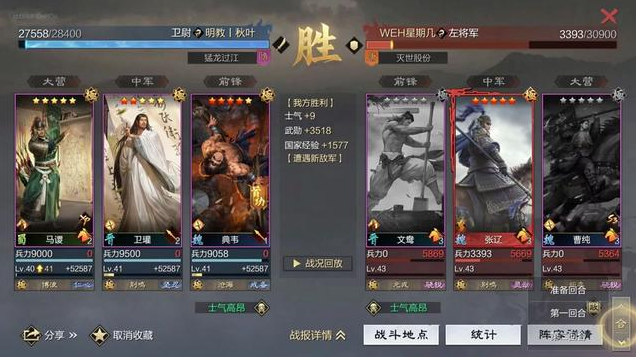
1. Opening Introduction & Basic Understanding of Ma Su
(A) Core Function Orientation
Ma Su isn’t the explosive type that can wipe the enemy team in one turn, but he’s the ultimate "stabilizer" for your team: he lowers enemy attack power, disrupts their rhythm, and lets your main damage core survive longer to deal the finishing blows.
(B) Ma Su’s Character Background & In-Game Role
We won’t get into historical details about Ma Su — let’s stick to the game. Think of him as a cheap but extremely useful strategist utility guy for F2P teams. His value never lies in dealing massive damage, but in the things he brings to the table:
-
Can he reduce the enemy’s damage output so we take fewer casualties?
-
Can he help our teammates survive more rounds to deal consistent damage?
-
Can he fill in gaps in a makeshift team at a low cost to make it a playable combat team?
Another great thing about Ma Su is: you don’t need to max out his level and breakthrough to make him work. A lot of utility generals are like this — even if he’s not super leveled, he’s useful the second you put him on the field, and sometimes he can even replace your main general in the frontline.
2. Ma Su’s Character Traits & Skill Mechanism Breakdown
(A) In-Depth Analysis of Character Traits
If we’re talking about Ma Su, the first thing to cover is his go-to key tactic: Submerge Enemy Ranks (Jie Ze).
According to most guide databases, the core effects of Jie Ze are roughly:
-
Deals strategy damage to a group of enemy forces
-
Comes with the effect of lowering the enemy’s attack attribute
This is why Ma Su is super popular in F2P teams as a "damage reduction/rhythm control" utility: we don’t care how much damage he deals — we care that he can bring down the enemy’s firepower so we take fewer casualties.
So what’s so good about this move? Let me explain it in gamer terms:
-
Lowering attack = fewer losses: When the enemy’s attack is down, our frontline can tank longer — that extra round of survival means more damage for our team.
-
Group effect fits the meta: Against teams that rely on normal attacks and physical burst, the attack drop is way more valuable than a bit of extra damage.
-
Perfect as a safety net: If our frontline can’t handle enemy damage, Ma Su can at least suppress their output to give our main core time to deal damage or stack buffs.
(B) Practical Role of Ma Su
When I play, I categorize Ma Su’s role into three parts:
-
Rhythm adjuster for F2P teams: Uses attack reduction and disruption to make sure our team can survive to the late game to deal damage.
-
Great filler for territory development/transition periods: Before you get your main generals together, Ma Su can patch up a team to be "not too bad and able to fight".
-
Stabilizer for specific teams: When your team has a core general that’s super vulnerable to being one-shot or early-game collapses, a utility like Ma Su who lowers attack can drastically reduce the chance of a bad battle outcome.
If you’re expecting Ma Su to single-handedly carry the team with flashy, impressive battle reports like top-tier strategists, you’ll definitely be disappointed;
But if you use him as a support unit that "keeps your team from failing and boosts stability", he's absolutely worth it.
III. Recommendations for Ma Su as Frontline
As for whether Ma Su should be placed in the frontline, I think it depends on your team's needs: if your Vanguard is already tanking enough damage, just put Ma Su in the back row as a secondary damage dealer + attack reduction tool; but if your team is missing a role that "can hold the line and reduce damage", putting Ma Su in the frontline is not a bad call—after all, his skills are designed to target groups and lower enemy attack, so even as a frontliner, he can help suppress enemy damage, and won't get eliminated as easily as some fragile adviser frontliners.
Team Compositions & Compatible Generals
A. Recommended Generals
Many players ask: "Who is Ma Su suitable to team up with?" Here's a universal judgment logic for you:
Ma Su is most suitable for pairing with generals that "need time to power up" or "fear being burst down instantly".
Because his core role is: lowering pressure on the team in the first few rounds.
So if your teammates fall into these two categories, Ma Su works great:
-
Generals that get stronger as the game progresses
-
Or generals whose skills need setup to take full effect
On the flip side, Ma Su doesn't pair very well with extreme fast-attack teams that "intend to wipe you out in 3 rounds"—after all, fast-attack teams want maximum damage boosts, not gameplay that slows down by reducing attack.
B. Shu Generals Combinations
Since the core keyword is "Feasible Combinations for Ma Su in Rate of the Land", I'll talk about the most common Shu usage from a player's perspective—the Shu Infantry/Shu Mixed Formation loved by casual players:
Generally, you need three roles each doing their own job:
-
Vanguard: Takes damage, holds rounds, preferably with some control
-
Middle Camp: Responsible for support/control/damage reduction
-
Main Camp: Takes primary damage
In Shu teams, Ma Su most often acts as the "Middle Camp that reduces damage and controls pace", for simple reasons:
-
The Vanguard needs to take tons of damage; Ma Su's stats and star level don't make him fit to be a pure tank
-
The Main Camp needs to deal damage, Ma Su is not the core damage dealer
-
So putting him in the Middle Camp spot: He is least dependent on stats, and can fully utilize his own mechanics
Which Shu generals is he suitable to pair with? I'll categorize by type to avoid you being stuck with "I don't have a specific general":
-
Shu Main Damage Dealer that needs a stable damage environment: The more your main damage dealer fears burst damage, the higher Ma Su's value
-
Shu Support that can provide sustain: Sustain + attack reduction, you'll find the battle casualties are super low and comfortable
-
Vanguard that can take control: You control the enemy, I reduce attack, equals double pressure relief
IV. Full Ma Su Team Recommendations & Combinations
I'll write this part in a "template" format, because the most important thing in Rate of the Land is: you need to know how to apply the formula. Replace with whatever generals you have, just keep the core logic the same.
A. Damage-Focused Team Setup
Damage-Focused Template: Vanguard takes damage + Ma Su reduces pressure + Main Camp deals primary damage
-
Vanguard: Choose a general that takes damage and holds rounds
-
Middle Camp: Ma Su
-
Main Camp: Your primary damage dealer
Advantages of this setup:
-
Especially suitable for the early game (farming period) or when you don't have much resources
-
Because you don't aim for instant kills, but aim to win the whole battle steadily
-
Sometimes it's better at handling teams with "very fierce burst in the first few rounds"
Disadvantages of this setup:
-
When you encounter teams that
-
A team that gets stronger late-game and has incredible sustain will end up in a "who can outlast who" situation.
-
So your main camp's main DPS shouldn't be too weak (aka "tickling"), otherwise you'll be grinding the match till you're frustrated.
B. Defensive Lineup Configuration
Defensive Template: Tough Vanguard + Ma Su (Attack Reduction) + Mid/Backline Sustain/CC
You can place Ma Su either in the mid camp or main camp here.
Common scenarios for defensive play:-
You need to hold territory, defend passes, and protect key chokepoints
-
You don't want to trade burst damage with the opponent, just minimize your casualties.
The key to a defensive lineup isn't winning every fight—it's making the opponent's attacks not worth their while.
Ma Su's value here is huge:-
You can reduce the opponent's damage output
-
The opponent can't break through your line
-
The opponent will take extra casualties attacking you, so you get the upper hand.
VII. Ma Su's Battlefield & Combat Applications
A. Combat Lineup Construction
When I use Ma Su in combat, the first step is always locking in the team's core direction:
Is this team going to trade burst damage with the enemy, or wear them down with prolonged combat?-
If you choose the burst trade route, Ma Su's priority drops—this playstyle focuses on damage ceiling.
-
If you plan on wearing the enemy down to death with prolonged combat, Ma Su is an indispensable core support for the team.
-
Ma Su's strategic priority rises with this path, because he's exactly the key general that helps you hold the rhythm and survive to later rounds.
So the most common practical lineup arrangement is still:
-
Vanguard: Takes damage and tanks attacks
-
Mid Camp: Ma Su
-
Main Camp: Main DPS
The core goal of this team is:
Use Ma Su to weaken the enemy's main firepower, so they can't break through your defense at all. Once you survive to later rounds, your main camp's main DPS will secure the victory steadily.
B. Environment Adaptation Strategies
Here's a very player-friendly adjustment approach for you:
1) When facing burst teams: Adjust Ma Su's role to "damage pressure reduction"
-
Core goal: Reduce our casualties, and withstand the burst damage from the opponent's first 3 rounds.
-
As long as you can hold on until the later half of the match, most burst teams' damage will start to decline, and they won't be able to resist our counterattack later.
2) When facing CC teams: Make sure our main camp isn't locked down by CC skills and becomes a "silent main DPS"
-
No matter how good Ma Su's attack reduction is, if the main DPS is controlled and can't move, it's like having no damage at all.
-
At this time, either pair him with generals that have dispel CC or CC immunity, or choose a vanguard that can prioritize suppressing the opponent's CC generals.
3) When facing sustain grind teams: Avoid the team falling into the dilemma of "only having damage reduction but no enough output"
-
At this time, Ma Su's damage reduction is still useful, but the main camp's main DPS must have decent output, or be able to break the opponent's sustain effect.
-
Otherwise, it will become a prolonged war of attrition—wasting time and ruining the gaming experience.
VIII. Differences Between Ma Su's Usage for Civilian and High Players
A. Civilian Players' Combinations
For civilian players using Ma Su, I recommend two most practical roles:
-
Mid Camp Attack Reduction Utility General: This role is the most stable, almost not dependent on the general's star level, suitable for early-game deployment, holding outposts, or playing steadily.
-
Versatile Position to Fix Team Weaknesses: If the team lacks CC, he fills that gap; if it lacks damage reduction, he steps up. He's super useful for filling in gaps anytime.
Civilian players should never hype Ma Su as a god-tier general—the key is to place him in a suitable position:
He may not be the key to winning your battles, but he's often the key to avoiding devastating defeats.
For 《率土之濱》 players, the thought of "not getting completely crushed" is super important. Losing a match doesn’t just make you lose face—it also costs you tons of troops and takes forever to recover from, which is total hassle.
B. Creative Combos by Pro Players
The most obvious difference when pro players use Ma Su is:
-
They can build a more complete combat system with his team
-
They’re more willing to use Ma Su as a "system plugin"—slapping him into teams you’d think impossible to fix, covering the team’s most critical weak spot
But let’s be real:
No matter how creatively pros combo Ma Su, he’s still a core support unit.
The pros’ strength comes from "placing the support unit in the exact right spot in the system," not forcing him to be a main carry just to brag.IX. Ma Su’s Meta Strength & Environment Analysis
A. Current Meta Assessment
I won’t spam those rigid "T0, T1" tier lists. Instead, here’s my real battle insight on Ma Su’s performance:
-
If the meta is packed with Burst Teams and Physical Damage Teams—most of which decide matches in the first few rounds: Ma Su, as an attack-reduction and pressure-lowering general, is super valuable
-
If the meta is full of extreme CC Teams or all-out sustain teams: Ma Su can still work, but he’ll rely more on teammates to fill the "problem-solving gap against the environment"
B. Meta Adaptation Tips
If you want Ma Su to stay useful in the meta, just remember one line:
Ma Su MUST NOT take on the full damage burden alone. He has to pair with a main carry that can survive to the late game to deal damage.
As long as your main carry can hold on and take over the battle steadily in the late game, Ma Su—who "helps you survive until the late game"—will always have his value.
X. Ma Su’s Beginner Guide & Advanced Tips
A. Quick Start for Newbies
If you’re a new player using Ma Su, follow these three steps and you won’t mess up:
-
First, place Ma Su in the middle camp—don’t copy others forcing him to be a front camp tank taking damage
-
Prioritize skills/tactics that "lower pressure, reduce damage, and extend fight tempo"—don’t chase after that tiny bit of pitiful damage
-
Put your most trusted main damage general in the rear camp—don’t let your whole team turn into support units
B. Advanced Gameplay Depth
When advanced players play Ma Su, the focus shifts to two things:
Turn Order & Speed: The key is to make Ma Su’s pressure-lowering effect kick in right before you pressure the opponent in critical rounds—this is how you actually lock down the enemy’s burst tempo. Opponent Analysis: First, figure out what you need in this battle—are you suppressing the enemy’s burst damage in early rounds, cutting off their combo rhythm, or holding on long enough for sustain? After playing 《率土之濱》 for a long time, you’ll find:Same general, there’s a huge performance gap between different players; only those who flexibly adjust their skill combos truly grasp the core of 《率土之濱》’s gameplay.
XI. Comparison Between Ma Su & Competitors
A. VS Other Intelligent Generals
Compared to the top-tier intelligent generals in the game, Ma Su’s usual weaknesses are:
-
Lower damage cap
-
But his advantages are super obvious:
-
Low training cost, easy to operate
-
His utility and stability are especially high in the early game transition period and for F2P players’ accounts
B. Analysis of Similar Utility Roles
If players position Ma Su as a support unit that "lowers enemy attack/reduces pressure damage," his direct competitors are all generals that can achieve "reducing our soldiers’ loss."
The differences are:-
Some support units focus on controlling enemy movements
-
Some specialize in replenishing our HP
-
Some tend to reduce the team’s damage
And Ma Su’s biggest advantage is his effect is super straightforward: after using him, you can clearly feel the enemy’s incoming damage is way lighter.
XII. Ma Su
Development & Upgrade Planning
A. Quick-Start Build Plan
When it comes to developing Ma Su, here's advice tailored as closely as possible for free-to-play (F2P) players:
Avoid dumping resources on Ma Su at the cost of slowing down your main DPS's leveling speed!
Ma Su's functional role means he's definitely not a core unit you should prioritize investing in.
You only need to hit these two points:1. Make sure he doesn't get one-shot by the enemy in his first round on the field.
2. Let his inherent skill or equipped tactics consistently trigger their effects.
As long as you achieve these two points, Ma Su will do his job well.B. Long-Term Investment Practical Value
Ma Su's long-term value mainly shows up in these situations:
- Your team needs a suitable slot filled
- You want to reduce troop losses per battle
- In some limited seasons, you're missing key support or control units
He's not the first unit you'll think of when building your main squad, but he's often the perfect puzzle piece to fill when you lack a specific role.XIII. Common Questions & Decision Guide
A. New Player Confusions
Q1: Is Ma Su worth investing in when I draw him?
A: If you lack a utility unit for the middle position, a unit to reduce enemy damage, or a placeholder for the early-game transition—absolutely worth it. Just treat him as your team's "stabilizer" to train.Q2: Can Ma Su be the main damage-dealing (DPS) unit?
A: Not recommended. You can force it if you really want to, but you'll find that investing the same resources into your actual main DPS gives way better returns.B. Advanced Player Questions
Q1: When does Ma Su become useless?
A: Once your entire account has enough variety and quantity of units, plus top-tier control, support, and damage-reduction characters, his pick rate will indeed drop. But "lower pick rate" doesn't equal "completely useless"—he's still a great backup option, and even a good counter pick against specific teams.C. Simple Decision Tree for Meta Adaptation
Here's your straightforward decision logic:
- You often get crushed by early-game burst damage from opponents? → Run Ma Su with a damage-reduction build
- Your main DPS can't move at all because they're constantly controlled? → Prioritize fixing your main DPS's control immunity/removal issues—Ma Su is just a support role
- You often end up in long, drawn-out fights where no one can kill the other? → Add more damage output or counter the enemy's sustain abilities—don't only rely on damage reduction
XIV. Community Recommendations & Official Info
A. Official Resources & Game Guides
Make sure to read the official announcements and version update notes carefully—because one of the biggest pitfalls in Rate the Earth: Conquer All (the game) is:
Using old meta understandings to build teams in new versions—no matter how you adjust, your playstyle will feel off.
B. Player Community Useful Tips
If you want to refer to Ma Su builds from the community, focus on two key points:
- Which season environment is this team suitable for?
- How many star levels (red star count) does this team need, or what treasures/tactics are required to make it work?
If you just copy a build from a high-star (red) player, you'll end up thinking "I copied it exactly, why am I still losing?" when you use it yourself.C. In-Game Case Study
In-Game Application: F2P Shu Infantry vs Wu Archers: In the early S-Season of the game, many F2P players form Shu Infantry teams, with Ma Su in the middle position, Liu Bei as the forward, and Zhao Yun as the back unit. When facing the popular burst-focused Wu Archers teams of that time, Ma Su's inherent damage-reduction skill would consistently activate in the first two rounds, reducing enemy active skill damage by around 30%. This allows our main DPS Zhao Yun to survive until the counterattack phase in Round 5, and ultimately we win with less than 2000 casualties, while the enemy loses over 5000. This battle perfectly shows Ma Su's stable utility in F2P transition teams.
Veterans who have played Rate the Earth: Conquer All know that Ma Su is exactly the kind of unit that "can't carry you every single...
a general that can dominate every battle—once he joins your team, you’ll immediately notice a huge drop in losses, a massive boost in team stability, and the number of failed runs drops to an astonishing low. After playing *Rate of the Three Kingdoms* for a long time, you’ll understand that stability is often far more important than the thrill of one-hit kills.
If you’ve been searching for “how to build a strong team with Ma Su in *Rate of the Three Kingdoms*”, I’ll sum it up with what veteran players around me all agree on: Ma Su is definitely not the top-tier meta character, nor is he that “god card” that will let you sweep the battlefield the moment he enters. But if you put him in the right spot, using him to “neutralize enemy key buffs, slow down the opposing team’s pace, and protect your main carry’s damage space”, he can pull your team from the dangerous state of “getting one-shot easily” to at least being able to last through a whole battle. And in *Rate of the Three Kingdoms*, finishing a full battle often means you start having a chance to win, or at worst you won’t lose too badly and drop precious tournament points.
If you think this isn’t practical enough, I can upgrade this content into “three ready-to-use Ma Su team templates”, each with a “replacement general list” – you can substitute with whatever generals you have on hand, and still form a viable team smoothly without racking your brains adjusting the lineup.
-