2026 Pathogen Source Code Guide: Pathogen Strength & Roguelike Tips
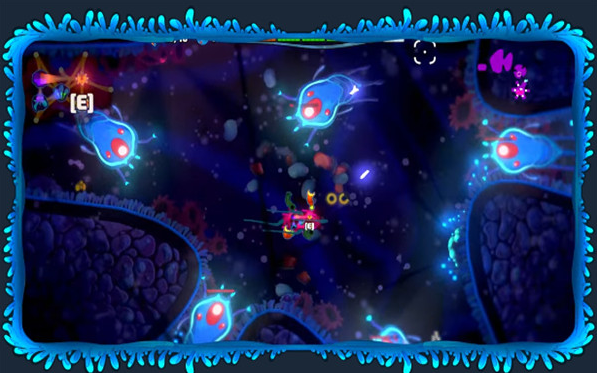
Pathogen Origin is another awesome roguelike game I’ve stumbled on that’s got me saying “just one more run before bed” — and then I’m staring at the sun way past my bedtime. It officially launched on July 16, 2026, and it’s nothing like traditional plague simulators. This is a top-down 2D twin-stick shooter where you control pathogens directly, fighting through the human body’s defenses from the outer skin layer all the way past the intestines, stomach, liver, lungs, heart — even unlocking a secret brain area. The best part? Picking up organelles dropped by enemies, attaching them to your pathogen one by one. The “bio-weapon” you end up with looks NOTHING like your starting form, and that’s so satisfying. First, let’s answer the most searched question players have about Pathogen Source Code: this game doesn’t have the usual mobile game code redemption system for resources. The “codes” people talk about are actually secret directional commands to unlock the hidden brain route: Right → Up → Down → Up → Right → Left Remember — use your keyboard arrow keys for this, not WASD! This six-direction code is fixed, but the four-direction puzzle before entering the Brain area is random every run. Don’t mix up the two!
Ⅰ. 2026 LATEST VERSION PATHOGEN POWER TIER LIST
A. Tiering Criteria: T0 to T3
In Pathogen Origin, “characters” are pathogens with different appearances. Playable types right now include Bacterium, Helminth, Fungal Spore, Diatom, Amoeba, Nanobot, and Lil Collector. These aren’t just reskins — each has a unique body structure, movement style, and dedicated Plasmid Tree, so playstyles are totally different. For this version’s versatility, I’d put Amoeba near T0: it needs very little DNA upgrades, so you can switch builds super fast. Helminth, Bacterium, and Nanobot are solid T1 picks. Fungal Spore has strong potential but depends heavily on organ placement, so it’s roughly T1-T2. Lil Collector is more economy/specialty-focused, and Diatom is for co-op only — its strength shouldn’t be compared to single-player pathogens.
B. Version Meta & Balance Analysis
After the August 7 balance update, the old meta of spamming Overcharge to stack multipliers was tweaked. Buff stacking is now additive, and builds like Sentry Nidus, Swarm Nidus, Gyrase Wheel, and Conal Burst got buffed. The game’s meta is way healthier now than at launch — you can play remote tracking, summoning, melee, high-trigger, all kinds of playstyles, no longer panicking when you see mitochondria like you did on day one.
C. Starter Pathogen Guide for New Players
If this is your first time, start with Bacterium. It has no weird structural limits — symmetrical, straightforward, perfect for learning to connect organelles. Next is Amoeba: low DNA upgrade costs mean your build comes together really quickly. If you hate being swamped by bullets, try Helminth instead — its tail blocks a lot of attacks, though its turning and movement take a little getting used to.
Ⅱ. Deep Dive & Recommendations: Starter Pathogens
A. Bacterium: DoT Focus
That’s Bacterium we’re talking about. It’s not fixed as a “poison damage class” — it’s a blank slate. Grab Toxisome or Pyrosome, and go the DoT (damage over time) route. Pull an organ like Attractor or Secretor, and switch straight to remote tracking. For new players, this flexible pathogen is super stable and hard to mess up.
B. Viral: Burst Damage
Right now, there’s no playable “Virus” character, but there’s an item called the Bacteriophage Launcher. It fires self-replicating bacteriophages. Pair it with summoning, explosions, or tracking effects, and the screen gets
It can easily become a full-screen viral swarm, and it’s one of the most distinctive ranged Builds right now.
C. Fungal Type Control & Buff Analysis
Fungal Spore is actually a playable pathogen, and it has special organelle slots—there’s a catch, though: its body can’t rotate freely like other characters. It’s better suited for players who already know their way around slot directions and attack angles. If you set up your Build right, it’s super powerful, but if you mess up, you’ll feel like you’re fighting against the game’s control system, which makes for a way worse experience.
D. Parasite Type Survival & Recovery
Helminth is the most fitting pathogen for the "survival" concept here. Its armored tail can block attacks for you, so its survivability against dense barrages is better than other types—perfect for players who like to play it safe.
When fighting bosses, you have plenty of room for error. Pair it with Endospore to boost max HP, Regenerator for constant healing, or Iridophore Membrane for invincibility to build a long-term Build that’s tough and lasts.
E. Prion Type Special Mechanism Analysis
The game hasn’t made Prion a standalone playable pathogen yet. Instead, the standout characters here are Nanobot and Lil Collector: Nanobot converts some of your life drops into armor, while Lil Collector has shop discounts and a larger pickup range, leaning more into resource management gameplay.
III. Popular Pathogen Special Cultivation Guides
A. Influenza Virus Team & Stat Recommendation
There are no "Influenza-exclusive characters" in the game, so don’t bother looking for special gear for Influenza. If you want to play an infection-spreading playstyle, pair it with the Bacteriophage Launcher, then add organs like Ruptosome, Attractor, or summoning-based ones to turn your Build into a high-output style with lots of projectiles and chain explosions.
B. COVID-19 Virus Max Damage Setup
Also, there are no COVID-19-exclusive characters. If you want to go all-in on ranged DPS, prioritize a good primary weapon, stack Attractor’s tracking attribute, Oxysome’s damage boost, and pair it with a suitable Mitochondrion to supply Overcharge. Don’t pick up five weapons at once, or none of them will get the link bonuses in the end.
C. HIV Support Playstyle
There are no HIV-exclusive characters either. If you want to play a "support function" playstyle, the summoning system fits perfectly here. Mitotic Nidus creates clones that share your weapons, and Symbiotic Pseudopod supports your summons—once set up, you can pretty much hand most of the fighting off to your little helpers.
D. Rabies Virus Single Target Burst Strategy
Against single-target boss bursts, the best routes are either high-melee damage or focused firing. Tri-phase Tendril’s third hit deals massive damage, and Gyrase Wheel works for consistent close-quarters output—master the boss’s attack windows, and you’ll be super efficient.
E. Ebola Virus High Risk, High Reward
There are no Ebola-exclusive characters in the game, but there are plenty of "high risk, high reward" Builds. For example, Autophagic Mitochondrion sacrifices life for Overcharge, and Peroxisome makes your attacks explosive—though it can also backfire and hurt you. This type of setup hits really hard, but if you mess up before entering the Brain stage, you might end up GG right there.
IV. Full Guide to Job Change Branches
A. Respiratory Transmission Route Choice
*Pathogen Origin* doesn’t have a "job change for transmission routes" setting. The actual Build splits are into categories: ranged, melee, summoning, elemental status, and movement-based damage. If you want to play an "air transmission" style, consider equipment like wide-range projectiles, Mucus Emitter, and Spore Cannon.
B. Blood Transmission Job Change Comparison
Entering different human organs is just part of the stage progression, it doesn’t turn your pathogen into a blood-type attribute. What you really need to consider is whether your Build can safely deal damage once you enter the next area.
C. Contact Transmission Playstyle Differences
If you like fighting up close against enemies, go for the melee route! Gyrase Wheel, various Tendrils, and contact-type Pseudopod can all make a solid melee Build. The advantage is concentrated damage, but the downside is that later stages have crazy dense barrages—don’t skimp on survival-focused organs.
D. Vector Transmission Special Mechanism
The game hasn’t added things like mosquitoes yet
When it comes to Vector class builds, if you want to play as an indirect damage dealer, just go with Minion, Turret, or Bacteriophage—let your summoned units handle the damage for you.
E. Multi-Transmission Hybrid Path
My top recommendation is actually a hybrid build: a solid main damage source, a way to clear hordes of small mobs, plus a defensive mechanic. This setup is super practical. In Roguelike games, waiting around for the perfect gear set is the worst—adjusting your build on the fly with whatever you pick up is where the real skill lies~
V. Pathogen Role & Responsibility Breakdown
A. Top DPS Main C Picks
In solo mode, there’s actually no such thing as a “main C” — the real DPS core is the “Organelle Chain”. Right now, whether you go for a Homing Projectile build, Summon Network build, or Melee Boost build, you can all clear the Brain stage. There’s no such thing as a “one true build” anymore.
B. Top Support & Buff Characters
Mitochondrion is the real support core for so many builds! Figuring out its activation conditions and assigning Overcharge to the organelles that actually need buffs is way more important than mindlessly grabbing Legendary gear.
C. Healing/Survival Support
Regenerator drops health pickups or heals you directly, Endospore boosts max HP, and Cryptobiotic Core saves you from death once.
When fighting the hidden Boss Brain, I always make sure to keep at least one survival mechanism ready.
D. Tank Defense Picks
Helminth is the closest thing to a tank in the game; for organelles, you can pick options like Chitin Shield, Glycocalyx, Iridophore Membrane, etc. The Brain is a Boss Rush-style challenge, so if you run a full-damage “glass cannon” build, you’ll easily run into trouble during consecutive fights.
E. Control & AoE Specialists
Ice-based characters are really strong here—skills like Cryophore, Cryosome, Cryopulse, and Cryoflagellum do a great job cutting down mob pressure. Especially Cryopulse, which can both negate projectiles and freeze enemies, is super useful in group fights.
VI. Full Elemental Team Synergy Guide
A. Fire Infection Team & Damage Rotation
The core of a fire team build is using Pyrosome to apply burn to your attacks, paired with Pyroflagellum to turn your dodge into a trail of flame. This combo feels super smooth to use against a lot of enemies chasing you.
B. Ice Crowd Control & Burst Combo
The point of an ice team isn’t just chasing burst damage—it’s about freezing Bosses and mobs for seconds at a time. Once enemies are frozen, you get safe windows to get in close for damage or charge up skills.
C. Wind Speed-Farming & Mobility
There’s actually no pure Wind attribute in this game, so we’re framing it as a “mobility-focused” build path. Flagellum, Ballistic Flagellum, and all Mutations related to movement speed will make running around and dodging way more efficient.
D. Lightning DoT Strategy
The Galvanic line of skills is really unique—Galvanic Infuser makes your attacks chain, while Galvanic Cnidocyst connects enemies so they take shared damage. The denser the group of enemies, the more this combo shines.
E. Light & Dark Special Mechanic Analysis
The game hasn’t added Light or Dark attributes yet. The closest thing to “special damage” is actually elements like Lightning, Fire, Poison, Ice, Laser, and Explosion—so don’t force a team with non-existent five elements.
VII. Newbie Starter Priority Guide
A. Early Game Resource Allocation Tips
Don’t chase flashy combos in the early game—first get a reliable main weapon, then focus on improving mobility and defense. If you waste all your DNA each run on organelles you “might use later”, you’ll get destroyed before your build even comes together.
B. Week 1 Must-Try Pathogens
The top pathogens to practice in your first week are: Bacterium to get a handle on the game’s systems, Amoeba to learn how to make builds quickly, and Helminth to master survival. Once you’re comfortable with these three, you can try Fungal Spore or Nanobot to test out special mechanics.
Career & Progression Order Planning
There's no "job change" mechanic in the game; long-term progression is achieved through each pathogen's own Plasmid Tree. After defeating the Skin Boss, the corresponding growth tree unlocks. As a new player, don't switch characters every day—focus on strengthening 1 or 2 characters first, so you'll get a clearer sense of progression.
D. Recommended Reroll Targets for Early Game
There's no gacha system in this game, nor do you need to reset your account. The only things worth "rerolling" each run are room rewards and your Build direction. Personally, I don't recommend constantly resetting just for the perfect organ—many unexpected combinations lead to way more fun gameplay moments.
E. Avoid These Low-Value Characters
There are no "unplayable" pathogens in this game, but there are some pitfalls to watch out for: if you're still new to the game, don't jump into playing a complex character like Fungal Spore right away. The issue usually isn't the character's strength—it's that you'll likely fumble with their mechanics since you're not familiar with them yet.
VIII. Gacha Planning & Resource Management
A. Current Summon Pool Analysis
Pathogen Origin doesn't have a summon pool system. Organelles are obtained throughout the game runs, and each Build has to be reworked from scratch—this is exactly the core feature of the roguelike genre.
B. Limited Pathogen Pull Recommendations
There are no time-limited pathogens in the game, and nothing will "become unobtainable" if you don't pull for it. All characters unlock gradually as you progress through the game.
C. Permanent Pathogen Acquisition Strategies
Getting permanent pathogens is super easy—just play more runs, unlock more organelles, and complete various unlock conditions. Instead of chasing character quantity, I'd recommend investing resources into strengthening the Plasmid Tree of the pathogens you use most often.
D. Priority of Signature Weapons & Potential
There are no signature weapons in this game, nor is there a "constellation" style potential system like in other games. The value of a Build comes mainly from organelle rarity, the synergy between organelles, Mutations, and permanent Plasmid progression.
E. Skill Upgrade Material Planning
DNA is a crucial resource for progression in each run, but upgrading skills isn't something you want to rush. First, figure out if you're lacking damage, survival, or mobility, then decide which direction to expand your next Body Plan into.
IX. High-Difficulty Content & Boss Team Comps
A. Recommended Teams for Main Story Chapters
The recommended teams for main story chapters follow the game's flow starting from the early Sk...
You'll go deep into areas like the Intestine, Stomach, Liver, Lungs, and Heart—there's even a hidden route leading to the "Brain" in the depths! New players need to understand that the character Build here is more like a long run, not a sprint. Don't dump all your resources into stacking burst damage just because Skin-tier gear looks flashy; steady progression is the key for the late game.
B. Recommended Builds for Event High-Difficulty Stages
The only truly challenging content in the game right now includes Daily Challenges, various Experiments, and special stages with extra difficulty modifiers. Experiments like Metamorphosis, Fulminant, and Phagocytosis completely change the original Build rules—never just copy-paste your normal stage Builds into these high-difficulty stages.
C. Recommended Characters for Boss Fights
What Boss fights need most is "stable, repeatable damage cycles"—that's how you take down tough enemies. Tracking projectiles reduce the chance of missing attacks, minions help soak up enemy fire, and freezing effects create safe spaces to deal damage. Which setup you pick depends entirely on the drops from your current stage.
D. Recommended Teams for Daily Farming Speed Runs
When farming resources daily, a combo of tracking projectiles and minions is the most hassle-free—you don't have to aim manually for every enemy, saving tons of time. Personally, I love the "Attractor + fast-ranged weapon" combo; it's basically the perfect lazy-person clear setup, super efficient.
E. Best Comps for the Roguelike Mode
This game is actually designed with roguelike elements built-in, so there's no separate "roguelike mode". The real differences lie in various Experiments and Daily R...
The rules here mean each challenge has different conditions, so adjusting your build on the fly is way more important than memorizing a fixed "endgame gear set".
X. Guide for F2P and Light Spending Players
A. Must-Try Free-to-Play (F2P) Characters
Pathogen Origins is a single-player, buy-to-play PC game—not a gacha mobile game where you pay for characters. There’s no such thing as "free characters" vs "pay-to-win characters" here, so don’t worry about spending real money affecting your character’s power.
B. Resource Allocation for Monthly Pass Players
This game doesn’t have a monthly pass system at all, so you don’t need to plan your resources around monthly payments. Instead of spending money, time is the most important resource for F2P players—taking the time to figure things out on your own is way more useful than wasting cash.
C. High-Value Alternative to Class Changes
There’s no class change system in this game! If you don’t get the weapon you want in a run, just adjust your build based on the organs you have—that’s the most resource-efficient way to play. No need to waste resources chasing a specific class change that doesn’t even exist.
D. Clear Strategies Without Limited Characters
You don’t need limited characters at all to beat the game’s main story. Even the basic starting pathogen Bacterium is strong enough to get through late-game levels—you can clear the game easily without going after special rare characters.
E. Long-Term Progression Plan
We suggest focusing your resources on upgrading the Plasmid Tree of one pathogen first. Once you’ve unlocked consistent, permanent power boosts, you can start leveling up your second and third pathogens. If you spread your resources evenly across all characters, your growth will be way slower for the first dozens of hours—and it’s just not efficient.
XI. Patch Update & Character Change Analysis
A. Seasonal Update Breakdown
This game doesn’t use a seasonal update model. The last big balance patch was on August 7, 2026, which mainly adjusted organ and Overcharge stacking mechanics, and also increased the health of enemies in some Heart areas. They did this to make late-game level difficulty match what end-game challenges expect.
B. Recent Character Buff List
In the early August patch, the starting movement speed of Amoeba was buffed; Lil Collector got improvements to DNA pickup range, interaction distance, and dodge animation consistency. For organs, equipment like the Summoner and Gyrase Wheel were also buffed.
C. Current Meta Trends
Right now, the meta is all about "multiple playstyles are viable". The extreme Overcharge build that got nerfed in early patches is gone. Now, Summoner builds, melee, heavy projectiles, and tracking weapons are all more balanced—any playstyle can work well.
D. Environment Changes & Party Adjustments
Since enemies in the Heart areas got tougher, I don’t recommend skipping defensive stats entirely. After all, that "glass cannon" build that can one-shot enemies in the Skin areas probably won’t feel comfortable dishing out damage in the Heart zones.
E. Future Banner Predictions & Tips
This game doesn’t have gacha "banners" at all, so don’t waste time guessing what’s coming next. Instead, focus on new organs, Mutation, Experiment, and balance patches—those are the actual things that will change the game’s meta.
XII. Pathogen Power Comparison & Tradeoff Analysis
A. Horizontal Comparison of Same-Role Characters
Different pathogens have very distinct strengths: Bacterium is easy to pick up and flexible; Amoeba has high DNA usage efficiency; Helminth has great defense; Fungal Spore focuses on special slots; Nanobot is all about armor boosts; Lil Collector excels at resource gathering. Characters are more like "different build rules" instead of just raw power numbers.
B. Priority Tips for Pathogen Selection
Since there’s no class change system at all, new players should pick Bacterium first—it’s easy to get the hang of. Once you’re familiar with the game, you can switch to other pathogens based on the playstyle you like, so no need to stress about this "class change" thing.
C. Priority Training When Resources Are Limited
Don’t spread your permanent Plasmid resources evenly across all characters! First, upgrade the pathogen you play the most until you feel a clear power boost. Then you can slowly expand your character pool—this is the most efficient way to allocate resources.
D. Character Alternatives Recommendations
Even if you don’t have Amoeba, you can use Bacterium to run the same type of weapon build; if you’re worried about melee, switch to a ranged playstyle; if you can’t get the Summoner, you can
Use Attractor's lightweight summoning device to deal with it—don't rush or get stuck on levels.
For certain attack patterns, you need to switch to projectile-based damage output in time. The core clever mechanic of this game is the "Plan B" hidden in every scenario you face.
E. Endgame Criteria and Progression Barriers
Successfully defeating "Heart" is just the entry ticket to the game's hard content. The real challenge lies in breaking through the "Brain" mode, clearing various experimental levels, daily challenges, and completing achievements by beating levels with different pathogens.
XIII. Character Recommendations for Game Modes
A. Strong Team Build for Co-op Dungeons
This game doesn't have MMORPG-style multi-player dungeons, but it supports local co-op or split-screen play. The pathogen "Diatom" is specially designed for two players, with very unique mechanics. Don't compare its co-op ability to characters focused on solo power.
B. Immune System Counter Strategies
When facing enemies like Macrophages or T-Cells paired with overwhelming barrages, don't just stack damage blindly. Crowd control, defense shields, invincibility states, and mobility-focused organs are actually key parts of your damage output—only by surviving can you unleash your built character's full damage potential.
C. AFK Auto-Battle Recommendations
First off, this game is definitely not a casual title you can just AFK through. However, if you get the "Photoreceptor" organ, it makes your connected weapons automatically attack the nearest enemy. Pair that with a summoning-focused build, and the operation pressure is greatly reduced.
D. High Skill Cap Characters for Manual Play
Characters like "Fungal Spore" and "Helminth", plus builds focused on close-quarters melee, require good manual control. Mastering movement direction, using your tail to block barrages, or dashing to avoid attacks will drastically boost these characters' damage ceiling.
E. Casual Player-Friendly Picks
For casual players, my top pick is a combination of "Bacterium" and long-range tracking organs. It's not only easy to get into, the build logic is straightforward, and you don't have to stick close to bosses—perfect for a relaxed gaming experience.
XIV. Exclusive Guides & Info for Traditional Chinese Servers
A. Character Name Cross-Reference for Hong Kong/Taiwan Versions
Right now, most character names Traditional Chinese players see in-game are their original English names, like Bacterium, Helminth, Fungal Spore, Diatom, Amoeba, Nanobot, and Lil Collector. Since translation habits vary between communities, when searching for builds or guides, it's better to remember the original English names of organs to avoid confusion.
B. Event & Gacha Differences for Traditional Chinese Servers
This game doesn't have a separate server exclusive to the Traditional Chinese region, nor does it have limited gacha pools made just for Hong Kong/Taiwan players. The PC version content is almost the same as the global server.
C. Local Guide Site Recommendations
If you want to look up game mechanics, it's recommended to first check the in-game Codex database, then cross-reference with the Steam global community forums or game Wiki. Pay special attention to builds published before August 7th—since the "Overcharge" mechanic has been adjusted, old guides might not be relevant.
D. Community Popular Characters
Characters like Amoeba, Helminth, and builds paired with extreme organs are always hot topics in the community. But what players actually care about isn't "which character is the strongest T0", but if they can pull off crazy chain damage effects.
E. FAQ for Traditional Chinese Players
The most common question from Traditional Chinese players is still how to unlock Pathogen Source Code. Just a reminder: the fixed input directions for hidden walls in the game are Right, Up, Down, Up, Right, Left—make sure to use your keyboard arrow keys to input them. And the graphic puzzle answer after beating Heart is different every run; you have to note down the collected graphics and their corresponding directions on the spot.
This game doesn’t require you to level up multiple teams, but every pathogen has its own unique Plasmid Tree. So you need to be careful with how you allocate your permanent in-game resources. The most efficient way is to focus your main resources on one character first, get good with them, then slowly expand to raise a second one.
C. Meta Picks & Future Trends
Since the game balance adjustments in August, I actually feel like there’s no such thing as a single “one true meta build” anymore. Whether you’re into tracking builds, summon builds, dash-explosion builds, ice-control builds, or melee builds, each has its own well-established playstyle direction. The real pro players are the ones who know how to make the most out of the random loot drops each run.
D. Character Graduation Timeline
The smoothest character progression pace should go like this: first clear the Skin mode to unlock the Plasmid Tree, then steadily work your way to the Heart stage; next, start challenging the Brain mode; finally, slowly finish all kinds of experimental stages, unlock all characters, and complete the game’s achievements. This approach won’t make you feel overwhelmed.
E. Quick Catch-Up Guide for Returning Players
If you played during the first week of release and are just coming back recently, the first thing you need to do is re-examine the old Overcharge Build meta. Because after August 7th, the Overcharge mechanics have been adjusted, and the way stats stack is totally different. Stop building your builds based on the old multiplier ideas! Summon builds, Gyrase Wheel, and some projectile-based playstyles are all worth re-testing.
Up to now, I think the most fascinating part of Pathogen Origin has never been any pathogen having overpowered stats. It’s that every run forces you to rethink: “Can I actually make a solid build out of these weird-looking organs?”
If you’re new to this game, I recommend starting with the easiest Bacterium character to get familiar with the controls.
Play the Bacterium faction first, get really good at the organ-synergy tricks, then trying Amoeba or Helminth playstyles will feel way smoother. When gearing up, first lock in a solid damage core, then add Overcharge, defense stats, and mobility-related abilities slowly. Don’t rush to equip all your Legendary-tier gear at once! Save experimenting with full builds like Minion summons, tracking missiles, freeze, lightning, or melee for the late game— that’s when the game starts getting really deep.
Speaking of the Pathogen Origin codes that everyone’s searching like crazy, what you really need to memorize is the secret wall’s opening direction: Right → Up → Down → Up → Right → Left. After beating the regular Heart ending, you’ll have to wait until your next run to find the hidden area, grab the tracker, and collect the four key shapes. Only then will you unlock the real hidden path to the Brain. Also, the Brain section is a Boss Rush, so opening the door doesn’t mean you’re done! Get your survival, damage, and control abilities all ready before stepping in— that’ll make it way more stable.