Mushoku Tensei Jianghu: A Complete New Player's Guide to Early Martial Arts Cultivation
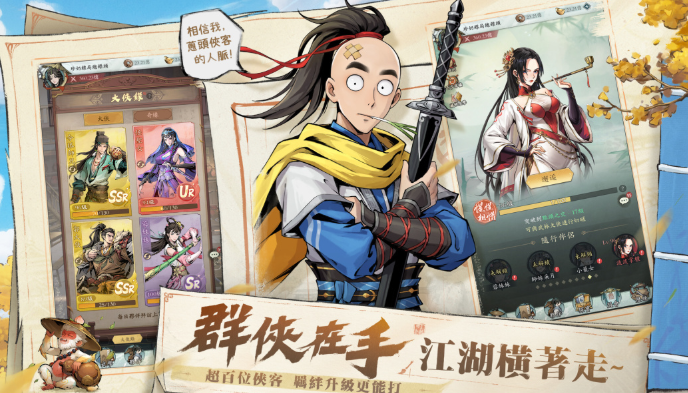
The full name of Mushoku Tensei Jianghu is actually super meme-worthy—it’s called Mushoku Tensei Jianghu ~To Get Home, I Gotta Bring My A-Game~! This isn’t your typical serious wuxia game, nor a generic immortal cultivation RPG—it mixes isekai jokes, Jianghu parodies, idle farming, and card battles, making it a totally goofy mobile game! The game’s main selling point is its "silly Jianghu adventure idle card RPG" vibe—you’ll team up with a bunch of characters who crashed into the Jianghu world from another dimension, collect all kinds of martial arts manuals, meet quirky companions, and battle absurd enemies. The whole style is over-the-top, and the story often breaks common logic—so funny!
For new players just starting out, the most important thing isn’t how many strong characters you pull at the beginning—it’s figuring out where to spend resources wisely! This game has tons of systems: companion training, martial arts builds, gear upgrading, artifact collecting, idle rewards, arena, dungeons, and more. If you level up randomly in the early game, you’ll get stuck on progression due to low combat power later on! This guide is from actual players’ experience, covering everything from beginner starts, gift code redemption, character training, team building, martial arts skill combos, to resource management—so you can avoid mistakes and progress through stages smoothly!
I. Mushoku Tensei Jianghu Game Introduction & Worldview Analysis
Mushoku Tensei Jianghu is a mobile game focused on idle card RPG mechanics. The core gameplay involves leveling up your main character and companions, collecting martial arts, artifacts, and gear, then slowly increasing combat power through auto-battles, stage progress, dungeon runs, and events! The official and store pages frame it as a "silly Jianghu" style—instead of traditional serious heroes, the characters are all weirdos dragged into the Jianghu world, doing whatever it takes to complete tasks and get back home. There are also absurdly parodied martial arts like "Tathagata Palm", "Five Lightning Whips", and "Ultimate Water Gun"! The whole vibe is way more relaxed than typical wuxia games!
Its main features are threefold: First, card training—companion quality, skills, bonds, and gear all affect battle strength. Second, idle rewards—you can accumulate resources even when offline, perfect for casual players wanting a relaxed experience. Third, strategic builds—martial arts, secret techniques, companion positions, and artifact combinations: same characters can hit totally different effects with different setups! Players who love funny wuxia, idle farming, collecting characters, PVE stage progression, and leaderboard competition should give this game a try!
II. Latest Mushoku Tensei Jianghu Gift Codes & Redemption Guide
The main sources of Mushoku Tensei Jianghu gift codes include official events, pre-registrations, community announcements, guide submissions, and server launch benefits. The official pre-registration event previously gave exclusive martial arts like "Serious Water Gun", a god teammate "Silly Bro", frames, and lots of martial arts rewards—these resources are super helpful for new players in the early game!
To redeem gift codes, usually after entering the game, tap your character avatar or game menu, find the "Redeem Gift Code" function, enter the valid code, then go to your in-game mailbox to collect rewards! There are tons of gift code lists online, but new players must pay attention to expiration dates—many old codes expire, and some are only for specific servers or event periods! Gift rewards usually include ingots, summon tickets, martial arts materials, gear materials, companion training resources, and limited-time event items. Don’t rush to spend all codes at once—check what you need most: summon tickets, upgrade resources, gear, or martial arts, then use them in order for maximum efficiency!
III. Mushoku Tensei Jianghu Beginner's Starter Guide
The most important thing for new players is to follow the main storyline first—tons of features and rewards are only unlocked by progressing main stages! Don’t spread resources evenly among all characters early on; focus on training a main team that can progress through stages smoothly. The game has infinite summons and tons of early game perks—if you pull a high-quality companion early, first check their skill role, then decide if you want to focus on training them!
For the first summon, we recommend picking an SSR damage dealer, or a practical character with crowd control, healing, or damage boost abilities. The worst early game move is only dealing damage with no sustain—you can brute force the first few chapters with high combat power, but later dungeons and arena will test your team’s completeness. F2P players can train characters easy to ascend and with versatile skills; no need to rush for all limited characters! The early resource allocation order should be: main DPS, support, gear, martial arts, artifacts, then consider a second team after your core team is set!
IV. Mushoku Tensei Jianghu Character Tier List & Recommendations
Characters in the game are roughly divided into five roles: Damage Dealer (DPS), Tank, Support, Crowd Control (CC), and Utility. DPS roles handle clearing mobs and fighting Bosses, Tanks take damage, Supports provide healing, damage boosts, or damage reduction, and CC roles are great for arena and high
Tough stages! When we talk about T0 characters, it’s not just about rarity. They need to perform consistently across story stages, events, the Arena, and dungeons!
SSR characters usually have the highest training value, but not every single one is worth maxing out mindlessly! New players should prioritize training high-burst main carries, plus a support and a frontline tank. Earlier player guides and discussions often mention that characters like Panda, Xuanming Erlao, and Chongyang Zhenren perform really well in combat. If you pair them with their exclusive weapons or matching martial arts, their strength becomes even more obvious!
Different play modes call for different characters: story stages need consistent damage and sustainability, the Arena requires first-strike priority and crowd control, and high-difficulty dungeons focus on survival and single-target burst damage. Don’t just look at tier lists—figure out what roles your team is missing, then train accordingly for a better fit!
V. Strongest Team Comps for Mushoku Tensei: Jianghu
Team Comp Guide
The core of team comps is one main carry, one frontline tank, one support, plus crowd control or a sub carry — this framework works well for most stages. Early game, when pushing through story stages, prioritize a high-damage main carry + a healer/buffing character. This combo clears enemies much faster and saves time. If your main character’s martial arts lean toward burst damage, fill your team with crowd control and defense-type characters. If your main goes for a sustainability build, add more damage dealers to your team to boost clear speed!
For the PVP Arena, don’t just stack damage — this mode tests turn order, timing of crowd control skills, damage reduction strategies, and burst windows. If your opponent runs a high-damage team, use frontline and crowd control characters to stall their first attack. If they’re defensive-focused, use high-burst or armor-penetrating martial arts to break their defense quickly. Late game, you don’t have to stick to one team — switch to a multi-team setup and adjust comps flexibly based on dungeons, Arena matches, and event requirements!
VI. Martial Arts System & Skill Combinations Guide for Mushoku Tensei: Jianghu
Martial arts are one of the game’s biggest highlights. They not only have solid skill effects, but are also packed with silly, Jianghu-style fun. According to official info, there are hundreds of unique martial arts in the game — names like "Rulai Divine Palm," "Feign Death Sword Style," and "Throw Sword Style" sound funny, but they heavily impact damage, crowd control, sustainability, and even the entire battle rhythm in actual play!
Martial arts combinations should align with your build: For burst builds, prioritize high-multiplier attack and damage-boosting martial arts; for crowd control builds, pick martial arts with stun, silence, slow, or action-limiting effects; for sustainability builds, pair with health recovery, damage reduction, and counterattack martial arts. The strongest martial arts don’t just depend on their quality — they need to synergize with character skills, gear, and artifacts. Early game, master a core set of martial arts first. Don’t switch to new ones randomly, or you’ll run out of materials!
VII. Gear, Artifacts & Progression Guide for Mushoku Tensei: Jianghu
Gear is the foundation of increasing combat power. Enhancement, promotion, and set effects directly impact a character’s performance. Early game, don’t stress over perfect substats — focus on leveling up your core characters’ gear first, so you can push stages and earn more progression resources. Once you hit stage locks in mid-game, you can slowly refine attributes, complete full sets, and enhance artifacts.
Artifacts are long-term investments that usually provide extra attributes, special effects, or battle buffs. It’s recommended to pair attack-type artifacts with your main carry first, then give life and defense artifacts to frontline tanks, and for supports, pick speed, healing, or damage reduction artifacts based on their skill needs. For character progression: Ascension, skills, bonds, and exclusive weapons are all important. But when resources are limited, prioritize developing your core 3-4 characters — don’t spread your resources thin by leveling up dozens of characters at once.
VIII. Gacha Pulls & Resource Management Guide for Mushoku Tensei: Jianghu
Gacha pulls are one of the fun parts of idle RPGs, but they’re also where it’s easiest to waste resources. The game’s ads mention unlimited pulls, early-game high rewards, and starter pull designs — but that doesn’t mean you should spend ingots freely. For new players, use free pulls and event tickets to fill out your core team first. Once you know what roles your team is missing, then spend ingots on limited pools.
10-pull banners are more strategic than single pulls, but don’t pull every time you get ingots. F2P (free-to-play) players should save diamonds and ingots for limited pools, growth events, and essential resource packs. For light spenders, prioritize long-term benefits like monthly cards, funds, and battle passes — instead of blowing all your pulls at the start. Before spending money, be clear about your goals: Do you want to climb the rankings, collect characters, or play consistently? Different goals mean totally different spending strategies.
IX. Fast Leveling & Combat Power Boost Tips for Mushoku Tensei: Jianghu
The key to fast leveling is claiming all daily rewards. Complete main story quests, idle AFK earnings, daily commissions, limited-time events, and dungeon challenges — idle RPGs hate it when you miss rewards and waste progression opportunities. The game is designed for casual progression, emphasizing "you can get stronger even while you sleep." So just keep a consistent login rhythm, no need to grind nonstop for a day and then log off for days.
Many times, stage difficulty isn’t about not having enough combat power — it’s about the team being ill-positioned or lacking synergy in key roles.
X. A Deep Dive into the Unique Features of Mushoku Tensei: Jianghu
Adventure exploration is one of the core gameplay pillars here. When pre-registrations opened, the devs said this game uses an MMO-style free-roam system—you’ll stumble on random encounters, hidden easter eggs, special events, martial arts clues, and even funny side moments as you wander the Jianghu world. It’s way more fun than your typical auto-battler idle game, there’s so much to discover beyond just tapping through content.
Jianghu challenges and dungeons are your main resource sources, while the competitive arena gives you ranking goals to chase. Pro tip: Clear all your dungeons every single day—resource gaps get way too big if you skip them. And don’t fixate only on combat power in the arena; team counterplay is way more important than raw stats. Also, don’t forget to check community events, limited-time modes, and official daily quests—tons of free goodies are hiding in the events tab, you’d hate to miss out, trust me.
XI. Download & FAQ for Mushoku Tensei: Jianghu
Mushoku Tensei: Jianghu supports both iOS and Android. On the App Store, it’s categorized as a role-playing game, with Traditional Chinese language support and in-app purchases. Android players can grab it from Google Play, iOS users via the App Store. If you want to play on PC, use Google Play Games for PC or an Android emulator—perfect for long idle sessions and managing daily tasks. Login issues usually tie back to account binding, server selection, or version update details, by the way.
This is all related to account setup, server choice, or version updates. New players, bind your account right when you start—don’t play as a guest for too long, or your progress might get lost if you switch phones or update the app. Server launch events follow official announcements, new servers have tons of stacked bonuses but also more competition, so be prepared! Common new player mistakes: wasting gems randomly, forgetting daily quests, missing event deadlines, hoarding resources without focusing on key characters, spamming SSR summons without thinking about team synergy. Avoid these, okay?
XII. 2026 Updates & Future Plans for Mushoku Tensei: Jianghu
If you check App Store version history, you’ll see Mushoku Tensei: Jianghu has been quietly dropping updates all through 2026—they added Lunar New Year events, new martial artist characters, new skills, small town easter eggs, and system tweaks. The devs are keeping up a steady update pace. Future content likely includes new characters, new martial arts techniques, more event dungeons, additional interaction stories with "beauty" characters, arena adjustments, and various limited-time bonus events.
The hottest community topics are gift codes, first summon quality, top-tier S-rank character reviews, skill builds, F2P team comps, and how to raise high-combat teams. Long-term, the best part of this idle card RPG is steady progression over time plus consistent new content. If they keep their event rhythm and fix character balance, this game will be even better for players who want to take their time exploring the Jianghu world.
The most unique thing about Mushoku Tensei: Jianghu is blending the isekai/reincarnation theme with chaotic Jianghu jokes to make a relaxed but planning-heavy idle card RPG. It looks low-effort at first, but progression logic is super clear: level your main team first, unlock new martial arts next, upgrade gear and treasures, then adjust team comp based on stages, dungeons, and arena needs.
New players, don’t rush to collect every character and martial art early. Grind daily resources, redeem all gift codes, level your main DPS first, then slowly add support and control characters. F2P players will have fun with time and patience, small-spend players should invest in long-term rewards. Avoid wasting resources early, and your Jianghu journey will go super smoothly—you’ll get that silly, fun adventure vibe of "to get home, I gotta bring my A-game."