Mumbai Chef: Ultimate Guide to Indian Street Food with 20 Essential Tips for Newbies
If you've played cooking sims like *Cooking Simulator* or *Overcooked*, the first time you see *Mumbai Chef - Junk Food Simulator*, you might think it’s another fast-paced kitchen game where you rush to serve tons of customers. But this game is totally different! It drops you right into a vibrant Mumbai street snack stall—instead of the chaotic 30-second rush to whip up 10 dishes, its core is turning “making authentic Indian street food” into a silly, relaxing, and delightfully performance-driven casual game.
You’ll chop veggies with that worn-out, well-loved cleaver you’ve had for years, smash ice blocks with a rock, and even use soda water to make eggs—stuff that defies all common cooking logic! This game only serves one customer at a time, no countdown breathing down your neck, so the best part is that laid-back vibe where every action is silly, over-the-top, and totally vivid.
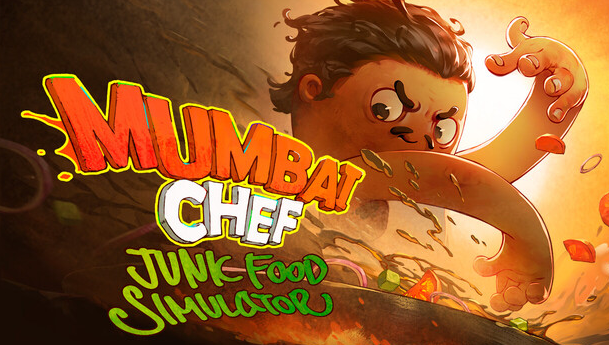
I. Basic Info & Release Details for *Mumbai Chef*
(1) Release Date & Steam Wishlist
*Mumbai Chef*, full title *Mumbai Chef - Junk Food Simulator*, is a first-person single-player cooking sim developed by Chameleon 42 Games. The only confirmed platform so far is Windows PC via Steam. The release date is listed as “Coming Soon”, with no exact date revealed yet.
Right now, the easiest thing to do is add this game to your Steam wishlist—you’ll get an official notification as soon as pre-orders go live, a demo drops, or the release date is updated.
(2) Game Pricing & Purchase Channels in Taiwan & Hong Kong
The official hasn’t revealed pricing in USD, TWD, or HKD yet, and the game isn’t available for purchase on Steam’s Taiwan or Hong Kong stores. There’s no console version, physical copy, or local boxed edition in Taiwan/Hong Kong either, so any “launch price” or “deluxe edition price” you see online now shouldn’t be taken as official references.
(3) Traditional Chinese Support & PC Requirements
Taiwanese players, take note: You can browse the game’s Steam page in Traditional Chinese, but the game itself does not support Traditional Chinese yet. The only Chinese language available is Simplified Chinese, plus it supports English, Japanese, Korean, French, German, Spanish, Portuguese, and Russian.
The PC minimum requirements are pretty low: You’ll need Windows 10 64-bit, an Intel Core i3-6100 or AMD FX-6300 CPU, 6GB RAM, a GTX 950 or Radeon R9 270 GPU, and about 3GB of storage space. Even a regular gaming laptop or a desktop from a few years ago should run it fine.
II. Indian Street Food 101: Pav Bhaji & Curry Recipes
(1) Indian Curry Spice Blends & Flavors
*Mumbai Chef* will definitely feature affordable Indian curries and various spice mixes, but the full recipe list hasn’t been revealed yet. To actually understand Indian curry, newbies shouldn’t think it’s just one yellow sauce—different dishes use combinations of cumin, coriander seeds, turmeric, chili, garam masala, ginger, garlic, onion, tomato, etc. A tiny change in the ratio of any spice can totally alter the aroma and spiciness.
If you just want to get the hang of the spice logic in the game, remember these simple notes: Cumin has an earthy scent, coriander seeds give citrus and nutty flavors, turmeric is mainly for color and base aroma, chili adds that kick, and garam masala is best added late in cooking for a richer scent.
(2) Authentic Pav Bhaji Recipe
Pav Bhaji is a super iconic Mumbai street food. The core of making it isn’t just “a regular pot of curry”: First, you boil veggies like potatoes, tomatoes, cauliflower, and peas until soft, then put them on a hot griddle, add butter, onion, chili, and Pav Bhaji Masala, smash and stir everything repeatedly, and finally serve with toasted Pav bread and onions.
Serve with lime.
Right now, the official hasn’t confirmed that Pav Bhaji will definitely be in the game, so don’t take this real-life recipe as the answer to clear the game. But if you want to learn about Mumbai’s street food culture, this dish is almost the perfect starting point.
III. Indian Dosa and Traditional Desserts & Drinks
Dosa is a crispy pancake made from fermented rice and lentil batter. The popular Masala Dosa is stuffed with spiced potatoes, then served with Sambar and Coconut Chutney. Even though its origins are more closely tied to South Indian culture, you can find it everywhere on Mumbai’s streets too.
For desserts, you’ve got Gulab Jamun, Kulfi, etc. Drinks include Lassi, Masala Chai, and more.
As for how many dishes will be in the official version, we’ll have to wait for the full menu to be revealed.
III. Complete Guide to the Cooking System: Mixing the "Soul Sauce" by Hand
A. Tips & Process of Mixing the Soul Sauce by Hand
Right now, the official hasn’t named the system "Soul Sauce" officially, so you can think of it as players’ way of describing the game’s over-the-top sauce-mixing mechanics.
The confirmed mechanic is: after the main cooking of a dish is done, there’s a final spicy ingredient stage where you can add different seasonings to change the dish’s flavor. My tip is to check the customer’s preference first before adding, don’t just dump all the chili you see. This game clearly puts "cooking performance" and "meeting guests’ preferences" equally important.
B. Ice-Breaking with Stones & Soda-Water Fried Egg Operations
These two are definitely the official’s disclosed mini-games. For crushing ice, you don’t use a regular ice machine, you hit it with a stone directly; for frying eggs, you have this ridiculous step of adding soda water. You can also quickly cut zucchini with an old knife.
These designs tell you one thing: *Mumbai Chef* isn’t aiming to be a Michelin kitchen simulator, it takes the street food performances you often see online and turns them into game mechanics. So the key to success isn’t memorizing exact measurements, but nailing each mini-game’s actions well.
C. Controlling Cooking Time & Heat to Improve Scores
The most special thing about this game is there’s no countdown pressure. Customers come one by one, so you can take your time cutting ingredients and handling prep work.
So if you want to improve the quality of your dishes, the best way isn’t rushing for speed, it’s reducing operation mistakes. Finish the correct process first, then go for clean cuts, dramatic flipping, and performance moves at the end—this fits the game’s design way better than just rushing.
IV. Guide to Stall Management & Expansion System
A. Stall Upgrades, Expansion & Decoration
Steam currently tags this game as a management, resource management, and economy type, so stall management is indeed part of the gameplay. But the full store expansion, decoration levels, and new shop features haven’t been revealed yet.
If an expansion system is present after release, my tip is to buy upgrades that affect order efficiency and menu variety first, leave the cosmetic decorations for later.
B. Recommended Equipment & Staff Management
Officially, they’ve confirmed that players will use knives and various weird cooking tools, but a full staff hiring system hasn’t been confirmed. So you can’t directly say "hire a cashier first then a chef" at this stage.
If the official version ends up keeping the single-person stall design, the things worth upgrading are knives, cooking stations, prep space, and ingredient management, not staff count.
C. Menu Pricing Strategy & Boosting Reputation
This game has an economy management tag, but whether you can set menu prices freely hasn’t been fully revealed. What’s confirmed is that regulars have their own tastes, and as you run the stall longer, you’ll hear more customer stories. So meeting guests’ individual needs is probably more important than just chasing max profits.
V. Unlocking Customer Stories & Collectible Guide
A. How to Unlock Customer Stories & Their Backgrounds
Customers aren’t just faceless order machines. The game has both locals and tourists, and some regulars have their own preferences and reasons for coming to the stall.
As you serve the same characters repeatedly, they’ll gradually share more of their stories. This design reminds me of "cooking while watching the city’s daily life", not just focusing on turnover.
B. Collecting Story Fragments & Character Dialogues
The full character list hasn’t been revealed, but my tip is not to skip customer dialogues quickly while playing. Some seemingly casual chats might be prerequisites for later character stories.
C. Triggering Side Quests & Hidden Story Easter Eggs
Officially, they haven’t released a regular side quest list, so it’s not confirmed if there are hidden conditions like "make a specific dish for a guest three times". After the official release, regulars’ stories should be one of the most collectible things to sort out.
Procurement & Inventory Management Optimization Tips
A. Where to Source Ingredients & Wholesale Market Prices
Developers have confirmed that players need to pre-order ingredients before every new customer arrives. That means you won’t have unlimited, free stock—managing your supplies is a critical part of the game’s business cycle.
Right now, there’s no announced map of Mumbai’s markets or price lists from different suppliers. So the safest move early on is to only buy what you need for your next set of orders—don’t stock up just because something’s cheap!
B. Picking Fresh Ingredients & Storage Tips
It’s still unconfirmed if the full game will have spoilage timers. But if inventory quality is a thing, you’ll need to restock veggies, eggs, and dairy in smaller batches than dried spices.
Even if there’s no spoilage, overstocking will tie up your cash. So for new players early on, just keep enough for your next orders plus a small safety stock.
C. Partnering With Suppliers & Boosting Supply Chain Efficiency
Right now, there’s no official info on supplier favor levels or long-term contracts. When the full game launches, wholesale discounts might be available. We recommend focusing on restocking the basic ingredients that are in highest demand for customer orders—don’t blow your cash on rare stuff, or you’ll mess up your cash flow!
VII. Advanced Tips for Spice Blending & Curry Making
A. Spice Blending Ratios & Key Ingredient Breakdown
Authentic Indian cooking doesn’t have a “one-size-fits-all golden ratio” for spices. If you’re new to this, start with a base of cumin, coriander, and turmeric. Adjust the heat with chili, and finish with garam masala for extra aroma—this will get you a basic, decent curry.
But keep in mind: the game’s actual taste scoring will be based on customer orders, not real-life ratios. Don’t just copy-cook real recipes—this game has its own numerical logic for flavor!
B. Adjusting Curry Thickness, Heat Level & Flavor Details
Heat and aroma are separate flavor layers—adding more chili won’t automatically make the curry more flavorful! Tomatoes affect acidity and color, cream adds richness, and the longer you cook onions, the sweeter they get. These are all key things to tweak in the game.
If the full game adds a flavor-scoring system, the most important thing is to match the customer’s order—not pile on every spice to the max, which will throw off the balance!
C. Spice Grinding, Mixing & Storage
In real life, grinding whole spices (toasted fresh) gives a deeper aroma than pre-ground powder, though powder is easier to use. Pre-ground spice also loses aroma faster. It’s unclear if the game will add grinding or spoilage mechanics, so this part is more for Indian cuisine culture trivia than gameplay right now.
VIII. Full Guide to Achievement System & Challenge Modes
A. All Achievement Unlock Conditions & Tips for Hidden Ones
As of the end of the game’s testing phase, Steam hasn’t released an official achievement list. Third-party databases also don’t have any Steam achievement info available yet—you’ll have to wait for official updates on this.
B. Challenge Mode Unlock Requirements & How to Complete Tasks
Developers haven’t confirmed an official separate challenge mode yet. If the full game does add challenges, they’ll probably focus on cooking accuracy, special tasks, or meeting customer requests—we can’t guess unlock conditions right now.
C. Estimated Achievement Time & Challenge Mode Ranking Rewards
Since the game isn’t fully out yet, it’s hard to estimate exactly how long it’ll take to get 100% achievements. Leaderboard reward info isn’t public either. Our advice: when the game launches, play through it first, try different dishes and spice blends, and pay attention to customer stories—this will cut down on extra collection work later.
IX. Indian Cultural Background & Mumbai Street Food Facts
A. Indian Culture & What Makes Mumbai Street Food Special
Mumbai street food’s best traits are its low prices, fast service, and huge variety. You can find iconic snacks like Pav Bhaji, Vada Pav, Bhel Puri, Pani Puri, grilled sandwiches, and Dosa—each with their own regional twists.
The game is called Mumbai Chef, and it focuses on street stalls, old tools, simple cooking stations, and even over-the-top cooking tricks—all to show that authentic, down-to-earth Mumbai street food vibe.
B. Indian Festivals & Religious Dietary Customs
Indian food culture is super tied to religion and family habits. For example, some Hindus don’t eat beef, and many follow vegetarian or lacto-vegetarian diets. Muslim communities also have their own dietary rules, and festivals like Ramadan (fasting month) and Diwali have special desserts and dishes.
It’s unclear if the game will include religious dietary restrictions as order rules—we’ll have to wait until launch to find out for sure.
C. Mumbai’s Landmarks & Social Classes
Mumbai is India’s financial hub and one of the cities with the most vibrant street food vendor culture. Spots like Marine Drive, Chowpatty, CST, and Colaba each have their own distinct food characteristics and city vibes. The game chooses alleyway stalls instead of luxury hotels on purpose, shifting the focus to regular people’s daily meals, which makes it easier to present Bombay’s local flavor.
X. Beginner’s Guide to Timeless Mode & Relaxed Gameplay
A. What Makes Timeless Mode Special & Its Relaxing Experience
Technically, this game doesn’t have a separate "timeless mode" — the game doesn’t set any countdown pressure from the very start. Customers come one at a time, so you’ll never get hit with five tables asking for orders all at once, making it perfect for players who want to take their time enjoying the fun of cooking.
B. Stylish Order Completion & Smooth Movement Flow
Since there’s no need to rush, players can take their time practicing actions like chopping, plating, and even small in-game operations. My tip: get the cooking process right first, then practice those fancy cooking animations after you’re skilled enough. This way, you can complete orders while enjoying the game.
C. Kitchen Tool Upgrade Unlocks & Cooking Efficiency Optimization
The full version’s tool upgrade tree hasn’t been revealed yet. Assuming upgrade mechanics will be added later, prioritize tools you use frequently — like knives and your go-to cooking gear. This kind of investment is more cost-effective than upgrading low-frequency special tools, and it’ll boost your cooking efficiency faster.
XI. 20 Must-Know Tips for New Players
A. Early-Game Ingredient Purchase & Cooking Flow Optimization Tips
1. Don’t stockpile too many ingredients at the start — figure out how much each order needs before restocking gradually, to avoid wasting money or ingredients.
2. Before each new customer arrives, confirm you have enough supplies ready — never wait until you start cooking to realize you’re missing a core ingredient, that’ll just waste time redoing things.
3. Master basic chopping movements first — get good at knife skills, and your cooking speed will jump way later, plus you’ll waste fewer ingredients messing up.
(Knife Skill Basics Practice)
This game’s gameplay has a lot of repetitive tasks. The sooner you get used to all the mechanics, the easier future operations will be, saving you lots of time.
4. Don’t fixate on flashy moves early on — getting the dish right is what matters. Steady, good meals are way more important than fancy moves that mess things up.
5. Adjust spices based on customers’ preferences last — don’t get into the habit of maxing out spices on every dish, that’ll waste ingredients and even ruin quality.
6. Take it slow when making a new dish for the first time — there’s no countdown pressure here, so there’s zero need to rush to finish fast.
7. Get used to the rhythm of each cooking minigame — things like smashing ice with a stone, chopping zucchini, frying eggs look fun, but each one affects how good the final dish is.
B. Common Mistakes to Avoid & Pitfall Tips
8. Don’t play this like Overcooked — the more you rush, the more mistakes you’ll make. This game’s pace is all about relaxation, so there’s no need to force speed.
9. Don’t ignore customers’ taste preferences — adjusting spices at the end of the same dish is what separates regular reviews from great ones.
10. Don’t skip regular customers’ dialogue — as you run your stall more, you’ll unlock their backstories, and missing out would be a shame.
11. Don’t dump all your money into ingredient stock — if the full game has device upgrades, you’ll need to keep enough cash for that.
12. Don’t only focus on making the highest-profit dish — unlocking customer stories and new recipes might require trying lots of different foods.
13. Don’t copy real Indian recipes exactly — this game exaggerates ingredients or processes to make it more fun, so real recipes won’t work here.
14. Don’t take the single moves in promo videos as full gameplay — things like staff, stall expansion, and achievements will have their details confirmed only when the full game comes out.
C. First-Week Gameplay Focus & Progress Planning
Focus on getting the core mechanics down in your first week to make the rest of your relaxed cooking journey way smoother later.
15. Master all basic cooking mini-games first Once you get the hang of cooking actions, it'll be way easier to aim for high scores later.
16. Prioritize building bonds with regular customers If you can unlock character stories earlier, don't wait—grab that chance!
17. Cook every new dish at least once when you unlock it Figuring out the steps and cost early will make stocking ingredients way smoother later.
18. Keep some working capital on hand The worst thing you can do is buy all your ingredients at once and have no money left for the next batch!
19. Upgrade your most-used tools first when you can Don't waste early game money on decor—it won't help your progress much.
20. Play your first run at your own pace The biggest charm of this game is there's no time pressure. Taking your time to enjoy customer stories and experiment with dishes is way more fun than rushing for a fast clear.
XII. Hard Mode Challenges & Business Strategies
A. Difficulty Selection Tips & Adaptation Methods
The full difficulty options for the final version aren't confirmed yet. This game focuses on a relaxing gameplay experience, so the real challenge comes from things like meeting dish quality standards, handling complex orders, and managing your resources, not from stressful countdown timers that make you panic.
B. Customer Operations & Profit Optimization for Hard Mode
When you have more order types later in the game, the most effective strategy is to keep enough safety stock for basic ingredients you use often, then adjust the final seasoning steps based on customers' preferences. Don't pour all your money into stocking rare ingredients, or you'll get stuck with cash flow issues.
C. Challenge Mode Unlock & Reward Details
The separate challenge modes, leaderboard systems, and their corresponding rewards haven't been officially announced yet, so we can't share accurate info about them before the game's official release.
XIII. Traditional Chinese Version Exclusive Guide & Player Insights
A. Player Reviews & Tips from Taiwan & Hong Kong
The game hasn't been officially released yet, so there aren't many actual reviews from players in Taiwan and Hong Kong. But based on the gameplay previews available now, it's perfect for people who love games like Cooking Simulator, physics-based interactions, cozy simulation games, or fun, lighthearted games.
B. Traditional Chinese Version Differences & Chinese Interface Subtitles
The most important thing to note right now is the game does NOT support Traditional Chinese at the moment. Even though the Steam Taiwan store page has a Traditional Chinese translation for its description, the game's current language list only includes Simplified Chinese, and this doesn't mean the final version will support a Traditional Chinese interface. Players from Taiwan and Hong Kong who care about the game's wording style should double-check for language updates before the game launches.
C. Traditional Chinese Guide Websites & Community Resources
Since the game hasn't been released yet, there are naturally very few complete Traditional Chinese guides available. After the game launches, we recommend checking Steam community discussions, actual gameplay experiences from Taiwanese players, and official announcements from the development team first. Especially for recipe names and control methods, make sure to follow the game's official Traditional Chinese translations.
A. Real Indian Curry Recipes & Spice Shopping
If you want to try making real Indian food at home after playing this game, it's actually super easy to get started. You don't need 20+ spices right away—just stock up on cumin, coriander powder, turmeric, chili powder, and garam masala, plus onions, ginger, garlic, and tomatoes for the basics.
If you need to buy basic Indian spices, you can usually find them at large supermarkets in Taiwan, South Asian specialty stores, or online spice shops.
B. Traditional Indian Cuisine Culture & Historical Background
In fact, the term "Indian food" can't summarize the entire Indian food culture! Regions like North India, South India, Bengal, Gujarat, and Maharashtra have huge differences in eating habits—everything from the spices used, staple foods, meat options, to cooking methods is distinct.
The city of Mumbai, with its massive population flow, mixes all kinds of regional food cultures together, so it's not surprising at all to see street vendors selling Pav Bhaji, Dosa, grilled sandwiches, and all kinds of Chaat snacks at the same time—this is actually part of its local charm.
C. Mumbai Street Food vs. Real-Life Inspirations
This game actually exaggerates the most "performative" parts of street food—vigorous chopping, over-the-top ice smashing, and oddly-looking egg-frying techniques. These details are clearly artistic exaggerations, of course. Not every real street vendor is this dramatic, so you can think of *Mumbai Chef* as a
It’s a humorous take on street food videos online, not a stuffy Indian cooking documentary.
XV. Game Review Summary & Purchase Recommendations
A. Overall Rating & Pros & Cons Analysis
From what’s been revealed so far, the biggest strength of Mumbai Chef is its crystal-clear identity. It doesn’t try to compete with *Overcooked* for chaotic, panic-inducing kitchen chaos, nor does it act like a hardcore sim where you have to measure every gram of salt to perfection. Instead, it uses first-person physics-based gameplay to turn street food prep into a series of fun, bite-sized mini-game levels.
That said, it’s a bit of a bummer that there’s not much content out yet. The full menu, business depth, equipment upgrades, achievement system, and overall playtime won’t be confirmed until the full release. Also, Traditional Chinese isn’t listed as a supported language right now, which is a clear downside for players in Taiwan and Hong Kong.
B. Who’s This Game For & Pre-order Tips
If you love casual cooking games, physics-based interactions, Indian street snacks, or just want to watch absurd moments like smashing ice with a rock and serving it to customers, this game is definitely worth adding to your wishlist.
But if you’re looking for a deep restaurant sim where you manage dozens of staff and handle complex supply chains, don’t get your hopes up just because it has Steam’s "management" tag. This is nowhere near the level of Restaurant Empire.
C. Purchase & Edition Options At Launch
As of September 2026, only the Steam PC page for Mumbai Chef is up. There’s no price, exact release date, or info about console versions or physical copies yet. The smart move right now is to skip pre-orders, add it to your wishlist, and wait until the full price, demo, and first player reviews are out before deciding to buy.
What draws me most to Mumbai Chef is that it doesn’t try to turn the kitchen into another stressor! There’s no one yelling at you with a 10-second countdown, no 8 orders popping up at once to make you lose your mind. You can take your time chopping with a beat-up old knife, smashing ice one chunk at a time with a rock, and crafting exactly what each customer wants.
Plus, it’s set not in a fancy 5-star hotel, but in a tiny street food stall in Mumbai’s alleys. That makes every cheap dish, every regular customer, and all those absurd cooking methods feel warm and full of stories.
If the full release ties together the confirmed elements—cooking mini-games, customer stories, and ingredient management—plus adds a huge variety of Indian street dishes, Mumbai Chef will be perfect for unwinding after work as a cozy cooking sim. For the full recipe list, achievements, stall expansions, and harder modes, don’t rush to trust those random "complete guides" online right now. Wait till the game launches, then figure out how to turn this tiny stall into Mumbai’s most famous street kitchen—you’ve got all the time in the world for that.