Meg and the Monster Guide: Story Analysis, Full DLC Walkthrough & True Ending Insights
The game *Meg and the Monster* has a cute pixel art style on the surface, but after playing it, you’ll often feel a little tug at your heart — it’s a delicate, touching adventure RPG. It doesn’t rely on complicated training systems that make your head spin, nor does it use super tough battles to block your progress. Instead, through the warm journey of “a monster protecting a human little girl who strayed into the demon world,” it quietly pulls players into the emotional whirlpool of the story. This guide organizes the most essential points newbies need, from plot analysis, character charm, how to get the true ending, to the full walkthrough, battle tips, DLC content, and differences between platform versions. Whether you’re a newbie who hasn’t played it yet or just beat the game and want to review details, you can quickly grasp the key information.
I. Meg and the Monster Overview
A. Base Game & Core Features
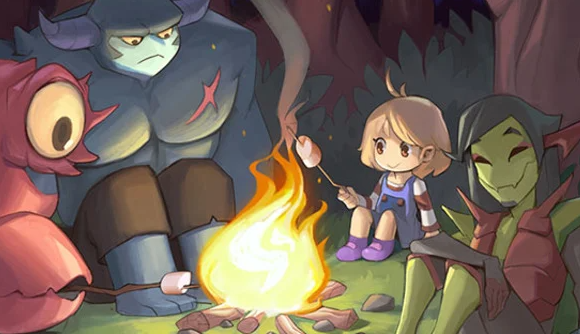
*Meg and the Monster* is a short adventure RPG that combines pixel art, turn-based combat, and an immersive story. Players control the protagonist — the tough monster Roy — who guards the human girl Meg that strayed into the unknown demon world. The core feature of this game isn’t killing monsters to level up, but every battle revolves around the rule “absolutely can’t let Meg cry,” which is totally different from the gameplay logic of regular RPGs.
B. Character & Story Background
The whole story starts when Meg accidentally falls into the demon world. The protagonist Roy is originally a rough and powerful monster, but he’s forced to take responsibility for taking care of this fragile human little girl. As the adventure progresses, players will gradually uncover how monster society works, what the human world is like, and the secret connection between the two. The overall story seems light and simple, but the hidden emotional tension in the second half will really touch players deeply.
C. Pixel Aesthetics & Music Atmosphere
The pixel style of *Meg and the Monster* doesn’t rely on gorgeous visuals, but rather uses the characters’ expressions, actions, and small details in the scenes to stack every emotion very solidly. The game’s music is a big highlight: it’s gentle and soft most of the time, but it can suddenly become tear-jerking during key story moments. Often, a single line of dialogue paired with a melody can push the whole scene’s atmosphere to the max.
II. Deep Story Analysis
A. The Human Girl Strays into the Demon World
After Meg accidentally arrives in the demon world, all monsters know one very important thing: never let Meg cry — because if she does, the whole world will be destroyed. This setting might feel a bit abrupt and absurd at first, but it quickly lets players grasp the game’s core: Roy’s not just protecting Meg as a person, but also her emotions and smile.
B. The Main Bond Between Roy and Meg
At first, Roy taking care of Meg is more like dealing with a troublesome task, but as the adventure goes on, the relationship between the two slowly changes subtly. Meg’s innocence gradually softens Roy’s originally rough personality; and Roy’s awkward yet overbearing way of protecting also makes this “guardian” journey have more warmth and touching moments than typical rescue stories.
C. Chapter Flow & Key Events
During the adventure, players will meet Golan, all kinds of demon world residents, research-related clues, and many special battles. Important events in the game rarely advance with big scenes; instead, they’re unfolded through conversations between characters and gradually revealed truths. It’s recommended that you don’t skip dialogue texts when playing for the first time, because many small details that seem irrelevant will affect the emotional moments later.
III. Main Character Introductions
A. Core Character: Meg
Meg is the emotional core of the whole story. She has no combat ability herself, but holds the key to the fate of the whole world. Her cuteness, timidity, dependence on Roy, and longing for home all help players understand why Roy, originally a rough monster, slowly becomes a guardian willing to give everything for her.
B. Protagonist: Roy the Monster
Roy is an almost unbeatably powerful monster, with an extremely exaggerated HP, but his real weakness has never been strong enemies — it’s Meg’s tears. He seems rough and overbearing on the surface, but in fact, deep inside
He’s incredibly responsible, and that contrast between his calm outer demeanor and warm inner self makes him the most captivating character in the whole game.
C. Key Supporting Characters: Golan and Other NPCs
Golan is basically Roy’s go-to sarcastic sidekick—he always calls out Roy’s flaws directly and is a crucial partner for driving the story forward. The other supporting characters don’t have a lot of screen time, but many carry their own pasts. If you play the DLC first and then come back to the main game, you’ll notice lots of small details feel way more meaningful.
IV. True Ending Guide
A. False Endings and Plot Twists
Mid to late game, you’ll hit a point that makes you think the story’s wrapping up—but that’s actually a “false ending.” The real secrets between Meg and Roy haven’t been fully uncovered yet. This false ending acts more like an emotional turning point, reminding players that this game isn’t just a warm, simple “send the kid home” story. There’s a much deeper emotional layer lying beneath the surface.
B. How to Unlock the True Ending
The true ending is actually pretty easy to get—just follow the main storyline all the way through. You don’t need to grind for a ton of hidden requirements like in traditional RPGs. The key is to finish all critical main story events, pay close attention to clues in the plot, and make choices that fit the story’s logic during the final decision point.
C. Full True Ending Breakdown
What makes the true ending so impactful is that it doesn’t force over-the-top drama to make you cry. It neatly wraps up the care, sacrifices, and upcoming goodbye that Roy and Meg built together along the way. Their relationship goes way beyond guardian and ward—they’re more like family who saved and relied on each other on the edge of this post-apocalyptic demon world.
V. Full Walkthrough
A. Main Story Chapters
The main story here is actually not that long—just follow the map markers and story prompts to progress smoothly. When you enter battles, always check Meg’s mood first before deciding to attack, use items, or calm her down. Never focus only on defeating enemies fast—keeping Meg’s mood stable is your top priority in fights.
B. Side Quests and Hidden Content
While doing side quests, keep an eye on interactive points around you—some side quests will affect hidden details later in the game. The side quests and hidden elements in this game mostly fill out the world’s details and give more depth to characters. If you see any interactive NPCs or items, click on them multiple times—the small, key details that make Meg and the Monster special are often hidden in those short dialogue lines. Miss them, and you’ll lose out on really powerful emotional beats.
C. Completion and Collection Route
If you just want to beat the game successfully, focus on finishing the main story first, then go back to complete the DLC and related extra content afterward. But if you want to fully experience the entire game’s story, I highly recommend starting the DLC right after finishing the main game—because the DLC fills in lots of character backstories not covered in the main game, making the whole story flow much more smoothly.
VI. Meg and the Monster Battle System
A. Turn-Based Combat and Operation Tips
Combat in this game uses a turn-based system, but the core isn’t whether Roy’s HP drops to zero—it’s whether Meg’s mood will hit a breakdown point. Every turn, always keep an eye on three key things: the enemy’s attack pattern, Meg’s mood gauge, and the items you have available. When necessary, prioritize calming Meg down before dealing damage—never chase after attacking too much and neglect mood control.
B. Character Abilities and Survival Strategies
Roy’s combat power is very strong, so many attacks don’t pose a big threat to him—but enemies will often use various methods to upset Meg. So the battle strategy for this game should basically treat Meg’s mood gauge as your real “HP.” If you can handle dangers early, don’t wait until the red alert to respond.
C. Boss Fights and Challenge Points
Boss fights usually include special mechanics, so you can’t easily solve them just by normal attacks. It’s recommended to first carefully observe the enemy’s attack pattern, then seize safe turns to deal damage, and use toys or items obtained from the story to calm Meg down when it’s dangerous. Here, “stability” is definitely more important than “speed.”
VII. Meg and the Monster World Setting
A. Demon World and Post-Apocalypse Setting
The demon world in this game isn’t just a purely evil place—it’s a unique space with its own order, residents, and hidden secrets. Meg’s existence ties…
...the fate of the world, players can't help but wonder: Between monsters and humans, which is actually the more terrifying force out there?
B. The Relationship Between Humans and Monsters
This game doesn’t split humans and monsters into absolute good or evil sides. Humans have their cruel moments, and monsters have gentle sides too. This blurry line makes the whole plot more mature, and it also gives Roy’s decision to protect Meg much more weight.
C. Plot Clues and Worldview Analysis
Many seemingly casual details mentioned early in the game will later tie back and make perfect sense. Whether it’s the lab’s clues, Meg’s background, or Roy’s purpose—these aren’t random events, but key threads that weave the entire game’s worldview together.
VIII. Meg and the Monsters Platforms & Versions
A. Steam Version Introduction
The Steam version is ideal for players wanting a full PC gaming experience. It’s easy to control, smooth to read text, and convenient for buying future DLCs. If you want to finish the main story and all extra content in one go, the PC version is a great pick.
B. Switch Version & Digital Download Edition
The Switch version fits players who love playing lying down or progressing through the story slowly during commutes. The game isn’t super long, so it’s perfect for handheld gaming paces—finishing a few chapters a day won’t feel like a chore.
C. Mobile Version & Traditional Chinese Support
The mobile version makes Meg and the Monsters more accessible to new players, great for folks wanting to enjoy the story in short gaps of time. Plus, with Traditional Chinese support, it’s way more friendly for Taiwanese players—lowering the barrier to understanding the plot a lot.
IX. Meg and the Monsters DLC Content
A. DLC: Memories of the Monsters
The DLC *Memories of the Monsters* fills in backstories the main game left out, told in short story chapters. It’s not just extra combat content—this lets players see the whole demon realm through other characters’ eyes, giving a whole new layer of understanding.
B. Prequel Story & New Content
This DLC leans more into prequel territory, showing what several characters were like before they became who they are now. After playing, you’ll realize many side characters in the main game aren’t just random—they too were hurt by this world.
C. DLC Walkthrough & Update Highlights
While the DLC isn’t long, it’s highly recommended to beat the main game first—otherwise, you’ll miss key emotional layers of the characters and story. The best tip here is to take your time with the plot; don’t rush to skip text, because that’s where all the worldview and character memory clues hide.
X. Meg and the Monsters Reviews & Player Impressions
A. Player Reviews & Word of Mouth
Meg and the Monsters’s praise comes mostly from its plot, character development, and emotional moments. It’s not a huge, AAA RPG, but its content is tight and hits hard. After playing, you’ll remember Roy and Meg as real characters—not just monsters you fought.
B. A Tear-Jerker Masterpiece & Plot Charm
It makes you cry not just by shoving tragedies in your face, but because early on, you’re right there with these two—walking, talking, fighting, slowly building trust. The emotions build up naturally, and that slow-burn heartfelt feeling is impossible to resist.
C. Character Interactions & Emotional Expressions
Roy and Meg’s interactions feel super down-to-earth. One is awkwardly protective, the other is purely dependent. Many scenes don’t have over-the-top drama, but you still feel a warm, genuine bond—this is why the game works so well.
XI. Meg and the Monsters Download & Installation
A. Download Methods & Platform Differences
Players can pick between Steam, Switch, or mobile versions based on their habits. The PC version is easy on the eyes, Switch is portable, and mobile is the most beginner-friendly. Even with different platforms, the core story experience stays mostly the same.
B. Chinese Version & Regional Editions
The Chinese version is fully localized—beyond Traditional Chinese support, the translation style fits Taiwanese players’ reading habits too, no stiff, awkward lines here. The regional edition has identical content to others, so no need to worry about cuts.
For Traditional Chinese players, prioritize versions that support Traditional Chinese UI. For story games, translation glitches that break immersion are the worst. Meg and the Monsters has simple dialogue, but it’s packed with tiny, detailed emotional shifts—playing in a language you know well lets you dive way deeper into the story~
C. Installation & Gameplay Notes
Install
Before you install, make sure your platform has enough storage space, check the supported languages, and confirm if the DLC is an additional purchase. If you're playing for the first time, I highly recommend using headphones and finding a stretch of time where you absolutely won't be interrupted—this game's immersion totally hinges on the flow of its story, and one distraction will make you miss so many heartfelt little details!
XII. FAQ for Meg and the Monsters
A. General Questions
Is Meg and the Monsters good for new players? Super much! The controls are super simple, the story doesn't drag at all, and the core focus is all on plot development. If you love pixel art, warm character interactions, and gentle stories that'll make you tear up, you'll absolutely be hooked hard!
B. True Ending & DLC Questions
Do I need super complicated conditions to unlock the true ending? Nah, basically just play through the main story all the way. What about the DLC? If you love the game's characters and world, I definitely recommend picking it up—it makes the whole story feel way fuller and more complete!
C. Version, Platform, & Playthrough Questions
It doesn't matter which version you play first, just pick the platform that's most convenient for you. The playtime isn't super long, so it's perfect to play through in one sitting over a weekend, or take it slow with a little each day if you prefer. If you want to experience all content fully, still recommend beating the base game first before adding the DLC!
All in all, Meg and the Monsters is a small but emotionally packed adventure RPG. It uses simple turn-based combat, cute pixel art, and incredibly detailed character interactions to tell a gentle story about protection, companionship, background, and saying goodbye. New players don't have to worry about complicated controls at all—just take your time with the story, feel out the characters' emotions, and even pay attention to Meg's mood changes during battles, and you'll fully grasp its charm. If you're looking for a game that doesn't rely on flashy big scenes but will stick with you long after finishing, Meg and the Monsters is absolutely worth adding to your play queue.