Mabinogi Mobile: Must-See Beginner's Guide (2026 Current Status, Gameplay & Class Breakdown)
If you’re like me, when you played *Mabinogi* back in the day, you never saw it as just another MMO—more like a virtual world where you could actually “live”: chat with friends until late at night, run around exploring every nook and cranny, or even just laze around in a village doing nothing at all. So when you heard *Mabinogi Mobile* was launching, the first thing that would pop into your head is that super familiar question: “Is this new game still the nostalgic Erinn I remember?”
If you’re getting ready to dive into *Mabinogi Mobile* right now, you’ve probably got a ton of questions you need answers to: Can players from Taiwan, Hong Kong, and Macau play officially yet? What’s the difference between this and the PC version of *Mabinogi*? Is the combat system too mobile-friendly? Do life professions still have that original “soul” vibe? Is the gacha pay pressure heavy? Should new players level up combat classes first or prioritize life play? I’ll break all these questions down in this article—not just surface-level system introductions, but every tiny detail you’ll actually care about once you start playing, explained clearly.
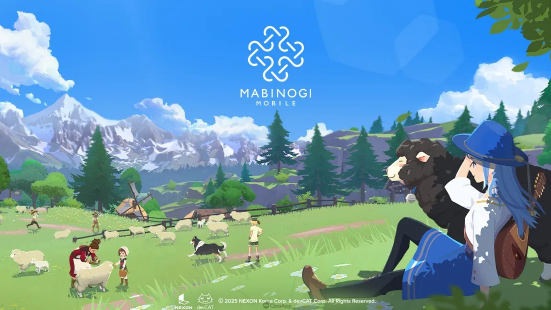
I. Preface: *Mabinogi Mobile* Features & Launch-Related Info
A. Erinn on Mobile: The Connection, Positioning, and Target Player Base of *Mabinogi Mobile* vs. the Original PC *Mabinogi*
Let’s start with a clear conclusion: *Mabinogi Mobile* is not just a simple mobile port of the PC version of *Mabinogi*. Instead, it’s a brand-new game built on the same IP foundation and set in the unique world of Erinn. As you can see from the official Google Play description and the game’s official website, it says “the story of the Mabinogi IP unfolds again in *Mabinogi Mobile*.” Players’ journeys start with “The Call of the Goddess” to create their own new stories; whether it’s the official homepage trailer or in-game titles, you’ll see main story chapters like “Chapter 1: Goddess Morrighan”, “G Goddess’ Descent Chapter 3: Paladin”, and “Goddess’ Descent Chapter 4”. This shows that the new game clearly inherits the original’s core “Goddess’ Descent” narrative structure, but it’s not a word-for-word remake of the PC version’s script—instead, it’s reworked at the pace of a mobile game to make it easier for players to get into the story.
This positioning is actually really smart. For veteran *Mabinogi* players, familiar keywords like “Erinn”, “Morrighan”, and “Millennium” are enough to bring back memories and make them want to return; for new players who haven’t played the PC version of *Mabinogi*, they don’t need to spend time catching up on decades of MMO history—they can jump right into the game. As seen from external media analysis, Nexon and developer devCAT clearly want to make this game a new-generation work that’s “easier to get into, but still retains the life, social, and fantasy adventure vibe” rather than just a nostalgic nostalgia pack for veteran players. That’s why the game’s promotion simultaneously emphasizes the new Erinn worldview story, simplified character growth routes, flexible job switching, abundant life gameplay, and in-game social interaction experiences.
As for *Mabinogi Mobile*’s target player base, I can roughly split them into three groups. The first group is, of course, veteran *Mabinogi* players—when they start the game, they’ll immediately look for that familiar feeling. The second group are players interested in “life-focused MMOs” who’ve never played *Mabinogi*; elements like farming, gathering, fashion coordinating, social systems, and guild gameplay should be a big draw for them. The third group are cross-platform (mobile/PC) players who just want to play a game with a complete story, team adventures, dungeon challenges, and is easier to get into than traditional old-school MMOs. From the fact that the official currently places life, story, combat, jobs, and social elements in key promotional spots, it’s clear that this game isn’t just trying to grab one type of player—it’s rebranding “fantasy life” as a broader entry point into gaming.
B. Release Date, Supported Platforms, and Whether Players from Taiwan, Hong Kong, and Macau Can Play Now
This info needs to be accurate to avoid player misunderstandings. *Mabinogi Mobile* officially launched in South Korea on March 27, 2025, and supports both PC and mobile devices. This info comes not only from in-game messages, but also Nexon Japan’s official press releases and subsequent “Now Available in Korea” announcements—all clearly stating that the game launched in South Korea on March 27, 2025, with mobile and PC versions releasing simultaneously. Not only that, Google Play and South Korea
Official game listings on the App Store now also have the game's release details available.
Regarding platform requirements, the minimum specs have been officially revealed. The official download page clearly states: For mobile devices, the minimum specs are roughly Android 11 / 6GB RAM and iOS 15 / 4GB RAM; recommended specs are Android 14 / 8GB RAM and iOS 15 / 6GB RAM. Additionally, Naver's game page lists PC specs: Windows 10 64-bit OS, Intel i5 processor, 8GB RAM, etc. This means the game isn't just a mobile-exclusive title—it’s a true cross-platform play experience. We won’t go into extra details about cross-platform services for now.
As for whether Taiwan and Hong Kong players can get the official version right now, we need to be both careful and straightforward: Based on the official info I found, the only region where the game is officially operating right now is South Korea. There’s zero official launch announcements for Taiwan or Hong Kong. While the official English website is live, all the official news and store pages I checked are still focused on the Korean launch and Korean region store—no official word on launch times for Taiwan or Hong Kong at all. Simply put, if Taiwan and Hong Kong players are asking, “Is this game officially available in our region? Can I download and play the full version directly from my local store?”, based on the info we have right now, the answer isn’t “officially launched”.
C. Why Does the Official Say ‘Make Players Feel Special Again’: Freedom and RPG Direction
Even though I couldn’t find the complete original line from the official team this time, judging from the design directions they’ve released so far, Mabinogi Mobile is really going all out to deliver the core idea: “You’re not a fixed protagonist on an assembly line—you’re your very own Milletian”. The clearest proof is just how much priority they’re giving character customization, class switching, life skills, social interactions, and character display. The official homepage lists lore, main characters, regions, classes, life content, and community sections; the Google Play page also emphasizes “Create your own new story”; the customization and rebirth pages lay out every tiny detail super clearly: appearance resets, social pose previews, outfit previews, facial accessories, Charm points, and resetting your look after rebirth. This design is basically telling players: Your character isn’t a cookie-cutter template—you have to slowly level up, customize, and finally define your own unique personality and style.
Even more importantly, its freedom isn’t just limited to looks. The class system fully supports switching, too. The official states: “As long as you have the weapon or badge of the class you want to switch to, you can change classes”, and badges for other classes can be bought with Class Master Medals—medals you can get by leveling up your current class or through rebirth. This means Mabinogi Mobile isn’t that kind of game where you have to restart your entire character if you pick the wrong class at creation—instead, it encourages you to slowly explore different playstyles on the same character. From an RPG perspective, this system feels way closer to the old Mabinogi’s vibe of freely switching your play direction, rather than the “locked into one path forever” design.
II. Lore and Main Storyline
A. Introduction to Erinn Lore: Goddesses, Milletians, and G1-G3 Classic Storylines Brought to Mobile
Old Mabinogi players will definitely recognize terms like “Erinn”, “Goddess’s Descent”, and “Milletian”. The smartest move Mabinogi Mobile made is that it didn’t scrap and rebuild all of this from scratch. The official homepage’s released videos and sections already have titles like Chapter 1: Goddess Morrighan, Goddess’s Descent Chapter 3: Paladin, and Goddess’s Descent Chapter 4—titles that give off strong vibes from the original PC game. The Google Play page also re-emphasizes that the story starts with a call from the Goddess. That means the story entry still clearly kicks off from the classic relationship between the Goddess and Milletians, rather than making a brand-new MMO completely disconnected from the original universe.
But if you’re wondering if it copies the entire G1-G3 story word for word, I’d say no. Judging from the official wording, it’s more like it kept the core skeleton of the original lore and key critical events, then rearranged chapters and adjusted presentation to fit the pace of a mobile game. That makes total sense—after all, the old PC Mabinogi’s decades-long storytelling style can’t be directly squeezed into a mobile game’s tight pace. The current setup is more to give veteran players a familiar feeling, while new players can easily jump in without needing to memorize the original game’s entire history first.
B. Types of Main/Side Quests and Progression Pace, Compared to the PC Game’s Quest
This section covers the main and side quest types and progression pace, with comparisons to the original PC version’s quest design.
Story Continuity & Differences
According to the latest official updates, the main storyline in Mabinogi Mobile isn’t the only way to level up your character. Alongside Main Quests, the devs have integrated Side Quests, Fantasy Life Challenges, various events, dungeons, deep dungeons, hunting zones, Raids, Abyss content, and more into the overall progression loop. Back in March 2026’s “Beginner/Returning Player Life Guide,” the team even explicitly noted that if you’re short on silver coins, you can grind Side Quests and events, and check your task list via the Fantasy Life Challenge option in the top-right menu. This means the game’s quest design isn’t pushing you to rush through the main story nonstop—instead, it mixes side content, life tasks, and events to help you gather all the resources you need to grow.
This element feels both familiar and distinct when compared to the PC version of Mabinogi. The similarity is that the original Mabinogi never forced players to rush through the main story in a linear fashion—true to its roots, it’s always been more open. The difference? Mabinogi Mobile refines this branching-style gameplay to feel more like a modern MMO or mobile game; it weaves the main story, side quests, daily activities, events, and dungeons together much tighter overall. You won’t get stuck grinding one single main quest line like you might in the old PC version—instead, you’ll feel way more free to jump between different activities without being locked into one specific path.
I spent a while exploring alone before realizing I’d gotten a bit side-tracked! That said, the game’s overall pace has a lot more “explicit system guidance” than the original Mabinogi, which is a plus for new players. But if you’re a long-time fan who loves the old-school, free-wheeling adventure vibe of the PC version, you might miss that more organic, no-rush feeling that let you wander wherever you wanted.
C. Recommended Story Experience Paths for New and Veteran Players
If you’re a total newbie, I don’t recommend treating Mabinogi Mobile like a hyper-efficient grind MMO right off the bat. The main story in the first few chapters is actually super worth taking your time with—it’s designed to build your connection to the world of Erinn and get you comfortable with the game’s overall flow, which will make life skills, guild interactions, and map exploration way more immersive later on. A solid playstyle path here is: Stick to the main story steadily, pick up any new systems that unlock along the way, and use side quests and life tasks to farm resources and learn the game’s world at your own pace. This way, you won’t get stuck on progression, and you won’t skip through the story so fast that you miss key parts.
If you’re a veteran Mabinogi player? My advice is to not fixate on whether this mobile game is a 1:1 remake of the PC version. Instead, think of it as “the familiar world of Erinn, just with a new way to dive in.” You’ll find tons of elements that remind you of the original Mabinogi, but you’ll also run into new, mobile-friendly pacing that fits playing on your phone. If you go in expecting it to just be a copy of the PC game, you’ll probably be frustrated by the differences. But if you embrace it as a new take, you’ll feel way more rewarding when those old, favorite elements pop up.
III. Differences & Continuity with the PC Version of Mabinogi
A. PC vs Mobile Core Differences: Combat, Life Skills, Freedom, and Controls
For me, the biggest difference between the PC and mobile versions isn’t graphics, or even the control differences between phone taps and a mouse—it’s game pace. The original Mabinogi PC version is the kind of game where you can just chill and live your life at whatever speed you want in its world. Mabinogi Mobile definitely wants to keep that same cozy feeling, but since it’s built for mobile players, all the systems guidance, progression, and combat flow have been made way clearer and more modern. The Google Play listing even straight-up mentions the game has “simple, convenient progression systems” and “skill combinations that change based on rune inscriptions”—which is a totally different vibe than the old PC MMO where you had to figure out almost everything on your own.
Combat follows this same logic too. The devs are focusing on skill combos, runes, level progression, dungeons, and Raids—instead of that slow, blend-of-combat-and-life pace old players are used to. That doesn’t mean the combat is bad, though—it’s more like a modern RPG that lets you jump right in fast, whether you’re on PC or mobile. You can still do life skills, socialize, switch classes, make your character look how you want, but the whole “log in and jump into action” speed is totally redesigned for today’s players.
B. PC-Mobile Link: Name Retention, Veteran Return Events, and Character/Title Transferability
From official info I’ve gathered so far, what’s clear is that the IP link is super strong—the world, key terms, and some main story concepts are all carried over. That said, I haven’t seen any official announcement that says PC Mabinogi characters, titles, or account assets can be directly transferred to the mobile version. This is a big deal because a lot of veteran players automatically expect, “Since it’s the same IP,
Wait, does character inheritance exist? But from the official info I’ve compiled this time, there’s no public record of an inheritance system, so we can’t confirm that feature yet.
That said, the devs are definitely putting effort into welcoming back veteran players. For example, during the first anniversary, they released a new player/returner guide, event roundup, special livestreams, and seasonal events—clearly all aimed at getting more people to come back to the continent of Erinn. So while it’s not like “you can just port over your PC account directly,” they’re definitely pushing that vibe of “you used to love Mabinogi, come check it out again.”
C. Pros & Cons for Total Newbies & Long-Time Mabinogi Players
For total newbies who’ve never touched Mabinogi before, Mabinogi Mobile’s pros are straightforward: an engaging world, tons of life skills, super high job-switching freedom, and a far more friendly entry barrier than the original PC game. Unlike the old title, you won’t spend hours just trying to figure out the game’s systems—which is a huge plus for new players who haven’t played Mabinogi before. The con? If you’re looking for a pure, action-packed combat game, the life skills, social features, and progression branches here might feel like the pace is a bit all over the place.
For long-time Mabinogi vets, the pros are the familiar Erinn vibe, the Goddess story, life skills, social atmosphere, free job switching, and character customization—all kept intact. The con? You’ll definitely notice it’s not a straight PC port. Controls, progression pace, quest density, and how life content is packaged all lean way more into mobile game design. Whether you can accept these differences is pretty much the core reason why veteran players are split on this game.
IV. Core Systems: Combat × Life Skills × Free Job Switching
A. Combat System: Real-Time Action, Skill Ranks, Combos & Attribute Concepts
Right now, the official’s key descriptions for the combat system are super clear: Skill Combinations, Level Cards, Rune Engraving, Dungeons, Raids, Abyss, Expansion of High-Difficulty Stages
This means Mabinogi Mobile’s combat is definitely not mindless tap-to-attack button mashing—it’s a deep design built on “skill combinations” and “deep character progression.” The Google Play page clearly notes that the core combat is “breaking battle bottlenecks via skill sets modified by rune engraving”; plus, the game’s first anniversary update content and feature articles from Korean gaming media Inven also mention late-game content including high-difficulty Raids, “Dream and Reality” mechanics, 8-star legendary runes, and Rune Word systems—all rich features.
While we haven’t seen the official full explanation of the “attribute counter” system labeled in traditional Chinese yet, one thing’s for sure: Mabinogi Mobile’s combat isn’t a one-dimensional “hard-hitting with stats” playstyle. It’s deeply tied to skill tags, runes, gear, recommended battle power for content, and difficulty. The official guide clearly states that battle content like dungeons and hunting zones has recommended battle power, so players should pick challenges that fit their own progression level. In other words, the combat design logic here leans heavily into “getting the right skill combo and progression strategy is how you max out your character’s potential.”
B. Life Skills System: Key Features of Gathering, Fishing, Cooking, Tailoring, Blacksmithing, Farming & More
If Mabinogi Mobile only had combat, it would never live up to the Mabinogi classic IP. Both official and external media coverage put life skills content at the core of their promotions. A press release from Korean gaming outlet GamesPress even described the open world as “hanging out with friends, fishing, camping”; and on the official site’s guides and update notes, you’ll see life skill keywords like playing instruments, blacksmithing, workshops, personal homes, part-time jobs, and campfires. For old Mabinogi players, these have never been random add-ons—they’re the soul of Mabinogi.
From the game’s currently available info, Mabinogi Mobile’s clearest life skill design focus is not trapping players in a “only dungeons and grinding mobs” box. You can slowly accumulate resources through various life activities like part-time jobs, life challenges, side quests, etc. Even better, the devs added a separate “Life Power” concept—you can see it on the character stats and rating pages, where “Battle Power” and “Life Power” are labeled separately. That means the game doesn’t just value players who focus on combat; it actually has a fully structured progression path for life skill players too.
C. Rebirth/Job Switch System: Key Points on Character Progression, Stat Allocation & Multi-Job Play
This system is one of the best parts of Mabinogi Mobile at capturing the original Mabinogi’s spirit, and it’s definitely worth diving deeper into. The devs clearly state: players can switch jobs by holding the corresponding weapon or job badge; badges for other jobs need to be exchanged using Class Master Medals
These medals can be obtained by raising your job level and completing Rebirths. In other words, jobs aren't locked in forever when you create your character—instead, the game encourages players to keep expanding diverse playstyles on a single character.
Rebirth is far more than just "changing your look". The official descriptions in the Customization and Rebirth pages state that after Rebirth, your character level will stay the same, but you can re-adjust your appearance, earn the Class Master Medal and resources like "Elf Traces", and unlock Rebirth boost buffs. From a gameplay logic perspective, this system tightly ties character appearance editing, job expansion, and growth resource cycles together—this will feel very familiar to veteran Mabinogi players, and for new players, it means you don't have to panic if you pick the wrong path early on. The game doesn't punish experimentation; instead, it encourages you to slowly develop your character into a multi-faceted "Millehyan".
V. Character Creation & Customization
A. Face, Body, Hairstyle & Outfits: Tools for Crafting Your "Unique Millehyan"
If one of the core reasons you love Mabinogi is because the game makes you feel like "this character is truly mine", then Mabinogi Mobile has clearly put real effort into this aspect. The official customization page clearly lists options for facial blushes, patterns, accessories like glasses, outfit previews, social action previews, and even a one-click random appearance feature. These might seem like small details for character creation, but they actually carry significant meaning within the Mabinogi IP—because Mabinogi has never shaped characters solely around combat power. Instead, it gives characters uniqueness through appearance, aura, outfits, and movement.
Even better, the official notes that some facial accessories (like glasses) can be purchased directly at NPC Simon's Tailor Shop in Dunbarton. This design has a strong "world life feel"—not every appearance item is locked in the in-game shop's paid section. This makes players feel that their character's outfits are "part of daily life in the continent of Erin", not just paid content—this is definitely a plus point for players who love roleplaying and showing off their fashion.
B. Highlight Points of Fashion, Appearance, Mount & Pet Systems
While we haven't seen the official full list of all fashion, mount, and pet categories, based on info from the 1st anniversary event, in-game shop, and customization pages, appearance display is definitely one of the core pillars of Mabinogi Mobile. The App Store event info mentions items like "premium pet ticket" and "fashion equipment gender change ticket", which means the pet and fashion systems are already quite refined in the operational stage. The customization page also repeatedly emphasizes outfit preview and appearance reset functions. This shows that Mabinogi Mobile takes appearance cultivation and display as an important part of the game experience, catering not only to combat players but also to those who love style-focused play.
Mabinogi Mobile doesn't treat appearance as an afterthought—instead, it has built appearance design into a core game experience line that runs through everything. This actually makes a lot of sense for players—after all, long-time Mabinogi series players rarely only stare at damage numbers after playing for a while. You start caring whether the outfit you're wearing fits your character, if the look matches your job's vibe, and even if the pet you carry is to your taste. If Mabinogi Mobile had skimped on this appearance-related stuff, veteran players would never buy in. From the official info released so far, they at least know this part is non-negotiable.
C. Paid Cosmetics vs Free-to-Obtain Appearance & Mount Options
To be honest about this part: from the official public info we've found so far, we can clearly confirm that the in-game shop and events both offer appearance items, pet tickets, and appearance change-related items. For example, the 1st anniversary rewards include the premium pet ticket and fashion equipment gender change ticket; and the game does have appearance customization functions and outfit preview designs. As for the "unicorn" you mentioned earlier, we haven't found a clear official way to obtain it right now, so we won't incorrectly claim that there's definitely a free mount available to get currently.
However, what we can confirm is that the game's appearance ecosystem isn't only the in-game shop. The official has included the NPC tailor shop, appearance reset functions, event tickets, preview experiences, and various life-rich scenes, which means "appearance" is inherently part of the game world—not just a paid window on the side. If we talk about the current ratio of paid vs free appearance access, the safest way to put it right now is: Paid appearance options definitely exist
VI. Class and Progression Route Recommendations
A. Recommended Starter Route for Newbies: Battle-Focused vs Life-Focused Priority
If you’re a total newbie who’s never touched this game before, my straight-up recommendation is: Stick to the Battle route for the first week, and treat Life content as a side bonus—don’t dive headfirst into Life gameplay right off the bat. It’s not that Life gameplay is bad, but Mabinogi Mobile still has a rhythm involving main story, dungeons, gear, power scaling, and unlocking features. If you push the main story to a certain point, a lot of systems will unlock much more naturally, and you can come back later to sink deep into Life gameplay for a better experience. Plus, the official newbie guide clearly lists main story, side quests, challenges, events, and dungeons as higher priority for your growth pace.
But if you’re a longtime Mabinogi vet, or you’re not here to grind power at all, I’d suggest going with a “half-battle, half-life” pace. The parts of this game that actually feel like classic Mabinogi aren’t about hitting max level in a few hours—they’re the little moments between main story beats, like picking up a side job, browsing clothes, messing around with all the Life systems, exploring the map, and hanging out socially. If you only treat this game as a dungeon-running machine, you’ll easily miss more than half its charm.
B. Core Battle Class Concepts, Pros, and Cons
The official starting class lineup on the homepage is super complete, covering Warrior, Archer, Mage, Cleric, Bard, and Rogue six main lines, and each line has 3-4 specialization paths. For example, Warriors can go Basic Warrior, Greatsword Warrior, or Swordsman; Archers have Basic Archer, Crossbowman, and Longbowman options; Mages have branches like Electro Mage, Regular Mage, Fire Mage, and Ice Mage; even Clerics have Dark Mage, Priest, and Monk paths. From the number of branches alone, you can tell this isn’t a 3-class MMO—it’s designed to let players dig into different battle styles over time.
In the way players usually categorize them: Melee classes are straightforward, great for those who love close-quarters damage and consistent action; Archers and ranged classes fit players who enjoy positioning, safe damage, and tactical play; Mages definitely require solid skill execution, rhythm management, and element combinations; Clerics and Bards easily find their niche in parties, guilds, and long-term social circles; Rogues tend to attract players focused on skill feel and style. These aren’t strict power gaps between classes—it all comes down to what kind of Mileesian you want to be in this game.
C. Stat Allocation and Progression Tips for F2P / Small Spenders
For F2P and small-spend players, the most important thing isn’t picking the coolest class—it’s not spreading your resources too thin. Mabinogi Mobile clearly has power thresholds, dungeons, high-difficulty content, gear, and rune systems; in games like this, misallocating resources can easily block your progress in the early to mid-game. A healthier pace is: pick one main class to push the main story and build gear, then use class switching and respawn features to slowly build up a second path. This way, you don’t waste character flexibility, and you won’t end up knowing a little about everything but being solid at nothing early on.
If small-spend players really want to put money in, the priority is never the fanciest costume pack—it’s whether content that improves progression experience or long-term convenience is worth investing in. From the game’s patch notes, even convenience features like inventory weight expansion are constantly being adjusted, which means “convenience” actually plays a big role in the real feel of this game. If you’re just a small spender, making sure you can play smoothly usually gives way better returns than chasing endgame costumes right off the bat.
VI
I. Game Economy and Money-Making Guide
A. How to Earn Gold: Quests, Life Classes, Crafting, and Trading
The official guide for new and returning players is actually super practical: if you’re short on Silver early on, you can totally make up the difference with side quests, in-game events, and the Fantasy Life Challenge. This also means quest-based income is really important in the early to mid-game—gold from killing monsters isn’t the only way to make money. This is huge for new players—when resources are tight early on, many people’s first move is to grind monsters nonstop, which makes them miss out on quest and event rewards entirely.
Besides that, Life classes have solid money-making potential, and the reason is simple: this game already has fully designed systems like Blacksmithing, Clothing Crafting, Life-related content, Weapon Shops, and the Auction House. The official class intro and guide pages mention that weapons for other classes can be obtained through Weapon Shops, Grand Blacksmiths, and the Auction House, which means there’s at least a player-to-player trading mechanism and market concept in the game. For those who enjoy Life gameplay
For players, this is usually a great chance to make gold.
B. The Impact of Trading Mechanics on In-Game Prices and Growth Pace
When researching the game, the clearest confirmation we got is that the devs mentioned the existence of the Exchange—meaning players can get at least some weapons and various resources through the trading system. This is super important! Because as long as there's a trading market, in-game prices, crafting systems, life skills, and item trading won't just be background features—they'll directly shape how fast you progress.
For MMOs, having a trading market is usually a double-edged sword. The upside? You don't have to craft every single thing yourself, and players who love life-style gameplay can find a steady way to earn in-game currency. The downside? Price fluctuations can create big gaps in how fast different players advance. For Mabinogi—this MMO that's all about life-oriented play—I actually think the trading market fits really well. Because that's exactly how it should work: players with different playstyles supply and demand items for each other in the same world. That said, if Hong Kong and Taiwan players join in the future, we'll have to wait to see if prices stay stable on local servers.
C. Practical Money-Making Tips for Life Players & Combat Players
If you lean more towards life play, your money-making routes will revolve around gathering, crafting, production, and trading. If you're a combat player? You'll rely more on quests, dungeons, daily activities, and event rewards. This is actually very similar to the original Mabinogi's core vibe, but in the mobile version, the pace is tighter and each system is more clearly defined. The devs separating Life stats and Combat stats? That's basically telling both types of players they can progress in ways that fit their playstyle perfectly.
My advice? Don't box yourself into being *only* a life player or *only* a combat player. The most fun part of this game is often switching it up: beat a dungeon one day, then try some totally different playstyle the next. Accounts that make consistent gold aren't usually stuck to one mode—they dabble in both. After all, as long as the market's running and new events keep coming, the game will keep blending life and combat play in fresh ways.
VIII. Guilds, Social Features & Community Ecosystem
A. Guild System Design: Guild Hubs, Guild Quests, Guild Wars & Cooperative Gameplay
I didn't find an official wiki-style breakdown of all guild features this time, but one thing's clear: there's an official guild recruitment area and community hub in the game. The dev site's community section has a direct "Guild Recruitment" tab—you can even make custom recruitment posters with details like server, guild type, and entry requirements. This isn't just a decoration; it means guilds are a core social pillar of the game's design.
In other words: even if we don't know for sure if something like Guild Wars exists (we haven't found full details on that yet), it's safe to say the devs want players to build tight-knit communities at the guild level. They've made guild recruitment and interaction official features, not something you have to handle on random external sites. For a game that wants to keep Mabinogi's legendary social vibe alive? That's huge.
B. Party, Dungeon & Daily Cooperative Play: Making Sociality the Core Experience
The official site's overview already lists features like Party, Raids, Abyss, Deep Dungeons, Campfires, and Random Events. All of this makes it clear: Mabinogi Mobile isn't a game you can beat just by playing solo. Especially when Raids, Party content, and high-difficulty content are key sources of growth—you'll want a consistent group of friends, guildmates, or at least a few regular play partners.
And that fits Mabinogi's identity perfectly. Back in the day, people loved Mabinogi not just for the best dungeon loot—they loved making friends, testing all kinds of activities, playing instruments, chatting, and grouping up. If the mobile version can capture that feeling, even if it's not a 1:1 copy of the PC original, it'll still feel like the real deal. From what we've seen so far with guilds, friend invites, community forums, and cooperative content? They're definitely heading in the right direction.
C. External Communities Where HK/TW Players Gather: Bahamut, Facebook Groups, Discord & Line Chats
This time I won't randomly list a bunch of community links I haven't checked myself, but based on Mabinogi Mobile's genre, if lots of Hong Kong and Taiwan players join in the future, the most likely places they'll gather are platforms like Bahamut, Facebook groups, Discord, or Line chats. After all, for an M this focused on sharing trading info, class guides, dungeon runs, guild recruitment, or event details...
MORPGs are highly dependent on player-driven external communities.
In fact, the official team has set up a complete built-in forum, covering areas like free chat zones, job-specific sections, strategy sharing boards, Q&A, friend recruitment, guild hiring, and even fanwork showcases. This proves the devs know players need places to gather and connect. But for players in Taiwan and Hong Kong, long-term thriving communities usually stick to familiar existing platforms. Once the official Taiwan/Hong Kong version is announced, such communities will pop up super fast.
IX. In-Game Events, Operations Status, and Pre-Registration Bonuses
A. Pre-Registration Reward Details & Whether There’s Still A Way To Claim Them
The official did launch a full pre-registration page. It clearly notes sign-ups are available through three channels: App Store, Google Play, and Kakao, plus an "extra pre-registration pack" and friend invite events. According to reports from Korean and English game outlets, pre-registration rewards include items like costume sets and 50,000 Gold.
As for whether you can still claim rewards now, when checking the official page this time, there’s no clear statement saying "all pre-registration rewards are still valid until April 2026," so we can’t guarantee you’ll be able to get them. The safest call is this: pre-registration rewards and friend invite events were indeed launched, with details posted on the official site. Whether there’s a permanent way to claim them later will depend on the latest official activity page.
B. Importance of Launch Events, Festival Activities, and Daily Check-In Resources
If you ask new players what to prioritize right now, I’ll tell you straight: In-Game Events. For the 1st anniversary, the official didn’t just roll out festival events—they also launched new servers, updated guides for returning players and newbies, hosted a special stream, ran collaboration events, and handed out tons of resources. The Google Play game page puts the 1st anniversary front and center, and the official site is packed with 1st anniversary related content. For these big event periods, whether you’re a new player joining or a returning one coming back, this is the perfect time because they give out the most and richest resources, and the devs are extra generous.
For players, these events are way more important than most people realize. After all, Mabinogi Mobile clearly isn’t a mobile game where you just finish daily tasks and have nothing left to do. A lot of the resources you need for progression: items, cosmetics, pets, convenience features, even event-specific currency—are tied to festival events and the daily check-in system. If you’re a F2P (free-to-play) or light spender, the resources from events are the key to not falling too far behind mid-spenders.
C. Operation Rhythm Breakdown: Update Frequency, Player Feedback, and Future Plans
From the public information we can see right now, Mabinogi Mobile has a pretty dense update schedule. The official homepage keeps updating various events, dev notes, and game fix pages; the February update notes were super detailed, meaning they’re always making adjustments and fixes. The 1st anniversary stream also mentioned stepping up communication with players and teased future game content. So the game isn’t left to die after launch—it’s the type that’s actively managed.
But even with active updates, not all players are happy. Any MMORPG mobile game that’s been running for about a year will face issues like game balance, gear design, class experiences, monetization convenience, and endgame fatigue. But at least right now, the devs are sending a clear signal: they know players value communication, and they’re responding to player needs through big streams, update notes, event timelines, and more. For a long-term running game, this is way more important than a quick viral hit.
X. Monetization System & F2P Player Experience
A. Common Paid Content: Monthly Cards, Discount Packs, Cosmetics, Convenience Items, Etc.
The confirmed paid items right now include at least cosmetics, pet exchange tickets, rebirth stones, and some convenience features. The official character customization and rebirth page clearly states that "rebirth stones can be purchased in the Cash Shop," and the 1st anniversary event info also shows premium pet tickets and multiple fashion equipment gender change tickets. This means the game’s shop doesn’t just sell generic in-game currency—it’s clearly selling cosmetics, character rebirth, and pet-related content too.
As for things like monthly cards and discount packs...
For the payment plans, I didn’t go through the full store list to double-check every item this time, so I won’t randomly name specific packages. But based on common designs of this type of MMORPG mobile game, plus the Cash Shop (in-game store), cosmetic tickets, and convenience systems we’ve confirmed so far, it’s reasonable to assume that Mabinogi Mobile at least does have in-game store content.
This highly-discussed title. The more reliable conclusion is that it has clear designs for a store and convenience items, but the most confirmed items from currently public info include Resurrection Stones, Pets, and cosmetic-related content.
B. The Actual Impact of Premium Purchases on Combat Power and Life Experience
If you ask whether premium purchases actually affect gameplay, I’d say “Yes, they do, but it depends on how far you want to push it.” Based on official update records and players’ guide discussions, paying for content can indeed enhance your experience with gear, runes, convenience systems, pets, and progression efficiency. But judging by the game’s design, it’s definitely not one of those games where you can’t access life content, main story, or social features without paying. Story, classes, life skills, guilds, gathering—all these things are totally playable as they are.
So the more accurate way to put it is: Premium purchases do affect gameplay efficiency and comfort, and they also make a difference in cosmetic displays—but F2P players can still fully experience the continent of Erinn. Especially if you’re more of a social, life-skill, or story-driven player, the impact of paying on your actual fun is probably way smaller than for players who only focus on pushing combat power. This is also what makes the Mabinogi series special—it’s never just about DPS rankings as the only measure of value.
C. Analysis on Whether F2P Players Can Easily Experience the Story and Life-Style Gameplay
Personally, I’d say the answer leans toward “Yes.” That doesn’t mean the game has no premium content at all, but from the system structure we can see so far, core gameplay experiences like the story, life-style gameplay, social features, guild functions, class switching, and character customization aren’t designed as pay-to-unlock barriers. You can slowly build up progression resources through main quests, side quests, events, life challenges, class level-ups, and resurrection mechanics. Also, the official 1st-anniversary guide clearly encourages new and returning players to gather the needed resources through events and side tasks.
But if your goal is to hit the top-tier combat power, challenge high-difficulty dungeons, or collect the full set of cosmetics and pets, F2P play definitely won’t be as smooth. This is similar to most MMO mobile games—there’s no essential difference just because it’s Mabinogi. But if you’re asking “Can I properly experience the story of Erinn, play life skills, switch classes, and make new friends without spending a ton of money?” Based on the currently public systems, I’d say yes—and that’s probably the most exciting part of it.
XI. Beginner-Friendly FAQ and New Player Tips
A. Which Playstyle Should New Players Choose First: Combat or Life Skills?
The most practical advice is: Prioritize combat, but don’t neglect life skills. That means, use combat-focused main quests and system unlocks to progress your account early on, and experience life content in between. This pace lets you not miss main quest rewards or system progress, and also doesn’t miss the charming life atmosphere that makes Mabinogi special. For most people, this is the easiest way to start and the least likely to make you regret later.
B. Is Mabinogi Mobile Worth Playing if You’ve Already Played the PC Version?
If you’re expecting a 1:1 port of the PC version, you might be a bit disappointed. But if what you want is the familiar atmosphere of Erinn, the goddess’s narrative, the life and social vibes, paired with a more modern and easy-to-learn pace, then it’s definitely worth a try. It’s not meant to replace the PC version of Mabinogi—it’s another entrance back to this world. Whether many veteran players will like it in the end doesn’t depend on how similar it is to the PC version, but on whether they can accept it as a “brand new title.”
C. Which Types of Players Is It For: Social Butterflies, Life Skillers, Collectors, or Pure Combat Players?
If I had to categorize it, this game is best suited for social players, life-skill farmers, character cosmetic fans, and players who want an MMO with a strong sense of world. Pure combat players can still enjoy it, but you might have to accept that it’s not that kind of extreme hardcore action MMO focused only on dungeon damage. Its real charm is that you don’t just rely on combat to survive in Erinn—you can live here in so many different ways. You can see this from the start, since the official put the story, life skills, cosmetics, community, classes, and events all in prominent promotional spots.
If I had to sum up Mabinogi Mobile in one simple sentence, it would be: It’s not Mabinogi PC compressed into a phone—it’s about reimagining “living life in Erinn” as an MMO that’s easier for today’s players to jump into. From the call of the Goddess, Milletian’s new journey, to
Job switching, rebirth, appearance customization, life features, guilds, dungeons, and festival events — it’s super clear they’re going all out to keep the soul of *Mabinogi* while keeping up with the pace of mobile and cross-platform times.