The Last Claudia Newbie to Advanced Guide: Everything You Need to Know About Early Rolls, Relics, Re
If you've just started playing Last Claudia, you'll likely be misled by its pixel combat visuals: "Hmm, this looks retro, so it should be easy, right?" — but once you actually get into it, you'll realize this game is a hardcore title with deep progression, tons of resources, and a system layered like an onion. Pulling a strong character doesn't mean you're unbeatable, because you'll probably get stuck on these questions:
-
Should I pull for characters or artifacts in the beginner gacha?
-
Which skills should I level first? Why does the same character deal huge damage for others, while mine feels like it's barely scratching?
-
Orbs are never enough — which upgrade should I invest in first?
-
Is grinding the main storyline a waste of stamina? Which dungeons give the best value?
-
Can I play for free? How do I spend crystals without regrets?
This guide lays out the complete logic of Last Claudia from start to finish, so you can consistently beat events, climb towers, farm resources, and rank in the arena. After reading, you won't just know "what to do" — you'll understand "why to do it", so even when future updates and new characters drop, you won't get thrown off track.
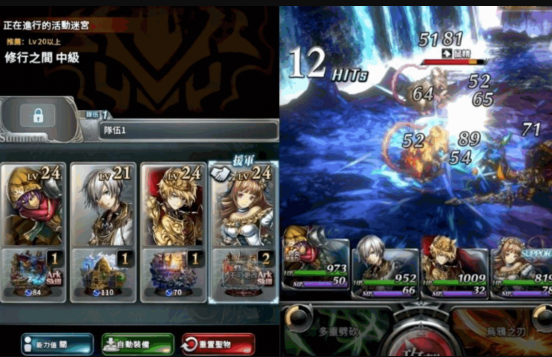
I. Opening Guide & Game System Overview
A. Core Introduction
The true power of Last Claudia doesn't depend on who you pull, but whether you can attach artifact skills to the right characters. If you get the correct beginner pull + follow the right progression order, you'll skip at least half the "grind hell" in the early game.
B. Game Background & Key Features
The most unique aspects of Last Claudia are three things:
-
Combat looks automatic, but it heavily relies on "timing skill casts"
You can afk farm daily content, but once you tackle high-difficulty or event Bosses, you'll see how big the gaps are between when to use your ultimate, when to hold skills, and when to keep distance. Especially in some stages, they throw tons of status debuffs, shields, and resistances — if you don't grasp the mechanics, you'll be confused why you suddenly can't deal damage. -
"Artifacts" are the soul of this game
Many new players only focus on the character pool at first, but after a week of playing, they realize:
While character strength matters, the real key to building a solid account is whether you can get critical skills, grab core passives, and cover your characters' weaknesses with artifacts.
Because artifacts aren't just a card art — they provide skills, passives, equipment rewards, stat boosts, and the core pieces of your team's strategy.
-
Progression is "modular": you're not just leveling a single character — you're building a whole toolset
It's not just about maxing levels and being done. You have to manage all these at the same time:
-
Character ability grid / skill tree
-
Skill points / capacity
-
Artifact levels & skill unlocks
-
Equipment, stats, and resistances
-
Resource allocation
II. Beginner Gacha Pull Guide & Character Recommendations
A. Detailed Beginner Pull Process
For your beginner pull in Last Claudia, my honest advice is: don't fixate on getting a specific limited character — spending too much time rerolling will make you miss tons of early resources and event rewards. The right approach is:
-
First, make sure you have a main DPS that can comfortably clear the entire main storyline
-
Then, make sure you have at least one artifact that provides critical skills
The basic steps for rerolling:
For the start, don't reroll so hard that you totally lose your cool
"Good enough" beats chasing perfection every time
A perfect start won't keep you going in the long run, but missing key early-game resources will just make everything harder later on.
B. Recommended Character Tiering Guide
I'm not gonna feed you that generic "fixed T0 list" garbage – this game keeps adding new characters, re-running old ones, and collabs too. For new players, the safest way to pick a character is to go by their role type:
1) New Player-Friendly Main DPS: AoE Clear Specialists
Doesn't this sound like your main pain point when pushing through story? Too many mobs, fast pace, not enough resources to just brute force everything?
That's why your starting Main DPS should have these traits:
The best part about these Main DPS is that you won't have to constantly switch up your team – they work for both story chapters and daily material runs.
2) Boss-Slayer Type: Single-Target Burst + Shield Break/Defense Reduction
If you care more about event bosses, challenge stages, or late-game hard content, you'll want a character like this:
But heads up: These characters can feel clunky when clearing early-game mobs, so don't rely solely on a single-target DPS for every stage at the start.
3) Support Type: Heals/Shields/Damage Reduction/Debuff Removal
New players often sleep on supports at first, but once you hit stages with "all-party poison, paralysis, or constant AoE damage", you'll realize how crucial they are.
The value of Support characters comes down to:
4) Utility Type: Debuffs/CC/Mob Pulling/Defense Break/Damage Boost
These characters might not have the highest stats, but they're the key pieces that make your team comps work smoothly and easily.
Look for ones with these abilities:
New players' ideal 3-person team core:
1 Main DPS + 1 Support + 1 Utility/Sub-DPS
Stick with this setup, and early-game stages and material runs will be way smoother.
III. Relic System and Recommendations
A. Relic Basics
When it comes to Relics, think of them as a character's "hidden skill library + passive buff pack + source of late-game account power gaps". Their value breaks down into 3 main parts:
New players' most common mistakes:
B. Recommended Relics for New Players
Since I want this guide to stay useful long-term (not get outdated with patches), I'm going with a function-first recommendation here – just pick based on type and you can't go wrong:
1) Core Damage Boost Relics
These relics are designed to teach you key skills or passives that nearly every physical damage character uses. Grabbing this relic is like building a "universal damage base" for your account—no matter what physical team you switch to later, it’ll always be useful.
2) Early Game Survival Must-Haves
The most frustrating part of the early game isn’t usually lacking damage—it’s getting one-shot by enemies or being crowd-controlled so hard you have to restart immediately.
These relics typically come with these buffs:
3) Mage/Element Boost Relics
If your starting main is a magic damage character, or you prefer plays focused on elemental bursts or counters, these relics let you experience that "maxed damage rush when you focus on an element" early on—no need to wait until late game to catch up to your main damage’s power.
To get your damage ready for fights, prioritize these relic types:
4. Event & Hard Stage Counter Relics
You don’t need to rush to get these early on, but once you start taking on event bosses, speed towers, and hard stages, they’ll be your absolute key to clearing:
The #1 rule for newbies investing in relics:
Prioritize ones that let you swap skills off and equip them to your main—you’ll feel the biggest, most noticeable improvement right away.
IV. Skill & Orb Resource Planning
A. Skill Learning Priority Order
The Last Claudia has a huge number of skills, and the biggest mistake new players make is clicking "learn" as soon as they can, running out of skill points, blowing all their materials, and failing to build a full set of skills for their main character.
Here’s my recommended priority order for skills:
1. Prioritize Core Skills That Make Your Damage Viable
For physical damage characters, core skills are usually these:
For magic damage, prioritize these instead:
2. Next, Learn Survival Skills That Keep You Alive
Most of the time you can’t clear a stage not because you lack damage, but because your character can’t stay standing!
So add these skills to your main’s build:
3. Save Utility Skills For Specific Stages
Like these skills that only really matter for hard stages:
Just keep these skills in mind for now—don’t waste resources on them early, only invest when you’re actually stuck on a stage and need them to progress.
An ultra-simple way to tell if you should learn a skill:
After learning it, does advancing the main story or farming materials feel more smooth and reliable? If yes, prioritize it; if not, leave it alone for now.
B. Orb Consumption Priority Order
I’ll explain "orbs" using terms players know best: they’re what you use to level up your skills
-
Finish the tutorial to get your first gacha pull
-
Check the current banner: is it strong characters? Or artifacts that are key?
-
Set your goal: get at least one core piece
-
Hit
-
As the players' take:
Stop when your first pull is "not bad" – don't chase perfection
-
Fast at clearing mobs
-
Works well without being tied to specific team comps
-
Decent survival to stay alive in fights
-
High single-target damage multiplier
-
Clear and reliable burst windows to land big hits
-
Preferably has abilities that break defense, lower resistance, or break shields
-
Cut down on failed runs and wasted stamina
-
Help you beat events without relying on RNG luck
-
Late-game hard stages often come down to "survive to deal damage"
-
Consistently apply debuffs to enemies
-
Control enemies and keep them in place
-
Pull mobs together to speed up clear time
-
Relic Built-In Effects: Fixed buffs that apply immediately when equipped – no extra steps needed
-
Relic Skill Unlocks: Characters learn unique skills from Relics, and those skills stay with them even if you swap the Relic later
-
Long-Term Unlock Rewards: Many Relics have hidden rewards that only unlock when you meet specific conditions – this is a big reason why late-game account power varies so much
-
Focusing only on pulling characters and totally ignoring Relics
-
Not knowing which Relics to level first when you get them
End result: Your character is max level, but their skill set is empty, so they just don't hit as hard in fights
-
Boost HP, defense, or various resistances
-
Reduce incoming damage
-
Offer passive effects to keep you sustained over time
-
Elemental magic damage bonuses
-
Elemental resistance penetration or effects that lower enemy resistance
-
Improved cast speed or stats that boost MP sustain
-
Remove abnormal statuses
-
Break shields or lower enemy defense
-
Stable damage windows for consistent output
-
Extra damage bonuses against specific enemy types
-
Passives that boost basic attack and skill damage
-
Skills that make your damage rotation smoother and more fluid
-
Elemental damage bonuses
-
MP sustain capability
-
Cast feel improvements (like reduced hitstun)
-
Passives that boost defense and max HP
-
Various resistance bonuses
-
Skills that reduce incoming damage or create shields
-
Remove crowd control and abnormal statuses
-
Break shields or lower enemy defense
-
Damage bonuses against specific enemy types
-
- 提升角色盤、進行突破時會大量消耗的核心素材。
新手最容易踩的坑就是:同時投入太多角色與技能,導致每個都練到一半,資源全浪費在那裡。我建議的寶玉消耗優先順序是這樣:
-
主力輸出核心的技能
-
主力支援角色的保命技能
-
全角色通用型的技能
-
針對特定關卡的功能型技能
-
用於收藏或玩花樣的技能
玩家真心話:
前期重點是把一個主C練到「可以一帶二」,這樣你的資源才會越滾越多;
要是前期把資源分散在五個半成品角色身上,絕對會越玩越窮,體感超差。V. 隊伍搭配與編隊系統
A. 編隊基本邏輯
新手編隊只要抓住三個核心:
-
輸出要具備「清怪能力」
主線很多時候不是單一Boss,而是混合怪群。如果你沒有清怪能力,會被拖慢節奏、被磨到死。 -
隊伍要具備「保命手段」
不是每場都需要補師,但你一定要有至少一個角色可以做到:
-
補血
-
安排可以提供護盾或減傷效果的角色
-
或是具備穩定控制能力的角色,讓敵人無法出手
不然很容易陷入「明明傷害數字看起來足夠,卻一直卡關翻車」的尷尬窘境。
-
隊伍配置需具備「增傷/減益」機制
後期挑戰Boss時,經常會遇到血量暴漲、抗性全滿的敵人,此時具備增傷或降防能力的角色,絕對比單純硬堆攻擊力實用太多。
B. 推薦隊伍配置
模板1:萬用推圖隊
-
主力輸出:擅長大範圍清怪的角色
-
後勤支援:負責回血、套盾或提供減傷效果的角色
-
功能角色:只要具備降防、降抗性、控制或聚怪其中一項能力即可
這套組合的好處是適應力超強,幾乎沒有關卡排斥性,體感也很穩定,容錯空間相當高。
模板2:Boss攻略隊
-
主力輸出:擅長單體爆發或高倍率輸出的角色
-
增傷/減益輔助:具備穩定降防、降抗性或掛上易傷debuff的角色
-
後勤支援:需要具備保命能力,最好還能解除敵人的狀態異常
這套隊伍打Boss的效率特別高,但要是拿來推圖清小怪,體感就不如模板1那麼舒適順手。
模板3:無課省資源隊
-
主力輸出:優先選擇你抽到後最容易養成滿配的角色
-
副輸出/功能角色:用那些你好養好練的角色來彌補隊伍功能缺口
-
後勤支援:哪怕是低稀有度的角色也沒關係,只要能做到回血或保命就好
無課玩家的核心邏輯是:先把隊伍湊成型、先能穩定刷關,刷得動關卡才有足夠資源培養角色。
C. 角色搭配最佳實踐
每次更換隊伍前,先拿這五個問題自我檢查一下,基本上就能避免大部分翻車狀況:
-
我有沒有具備清怪能力的技能?
-
我有沒有能保住隊伍的手段?
-
我有沒有能提升Boss輸出效率的能力?
-
我的主力角色會不會有藍量不足的問題?
-
這關有沒有特別惱人的狀態異常?我有沒
VI. Main Story & Dungeon Guide
A. Main Story Progression Tips
When pushing through the main story, we recommend sticking to a steady "unlock new features as you go" pace:
- First, progress until you unlock new game functions.
- Next, go back to grind for materials to level up your characters and gear, then keep pushing forward.
Don’t get stuck on one level for 3 hours—you’re likely just missing a key skill or relic boost.Common main story roadblocks and their fixes:
-
Getting Crowd-Controlled to Death → Fix: Boost your debuff resistance, or bring characters that can cleanse CC and debuffs.
-
Boss Is Way Too Tanky → Fix: Field characters that lower Boss defense/resistance, or switch to a Boss-specific team build.
-
Swarmed By Mobs → Fix: Switch to higher AoE skills, or bring characters with strong crowd control and mob-pulling abilities.
-
You Can’t Stay Alive → Fix: Add support characters that can shield, reduce damage, or heal—don’t try to tank all damage alone.
B. Dungeon System Overview
For new players, dungeons fall into roughly 3 categories:
-
Training Material Dungeons: Used to farm materials needed for skill upgrades, character ascension, awakening, and more.
-
Gold/Resource Dungeons: Ensure you have enough gold and resources for gear upgrades and skill enhancements.
-
Challenge/High-Risk Dungeons: Offer better rewards, but require a strong enough team to clear them reliably.
My advice for new players: Clear the highest difficulty dungeon you can consistently beat, then farm it daily. This keeps your progression smooth and steady.
C. Event Dungeon Tips
Game events typically provide these resources:
- Gacha currency
- Massive amounts of training materials
- Sometimes even characters, gear, or relic-related rewards
A common mistake new players make: Don’t miss the "key rare materials" available in the event shop.
My shop exchange recommendations: - First, grab all rare materials you can from the event shop.
- Next, stock up on the general materials you’re missing the most.
- Only then consider buying cosmetic items or collectibles.
VII. Leveling & Progression Systems
A. Fast Progression Tips
If you want to crush levels and farm efficiently, remember one core rule: Put all your resources into the team that lets you farm the fastest.
Here’s how to do it:- Prioritize leveling your main carry (main DPS) and maxing out their key skills.
- For support characters, only level their survival skills to key nodes—don’t waste resources on trivial upgrades.
- For relics (special gear/attribute sets), focus on the set that gives you critical skills.
- NEVER level 5 characters at the start! Get your 3 core team members strong enough to consistently clear content first, then expand your team later.
B. Limit Break System
The key benefits of Limit Breaking characters are:
- Increase their level cap to let you keep leveling them.
- Unlock more space on their skill/ability tree to equip more skills.
- Let them equip more skill types for greater flexibility.
A super common mistake new players make is dumping Limit Break materials on characters they barely use—wasting precious resources.
The right approach:- First, Limit Break your 3 core team members (the ones you use daily) until they can consistently clear content.
- Invest remaining resources into a second team slowly as you progress.
C. Potential Awakening System
Systems like Potential Awakening usually demand a high investment but offer extremely impressive returns—though only go this route once you’ve confirmed
This character's your mainstay you'll invest in long-term—don't go awakening them randomly.
Here's my priority order:-
First, make sure your main team can farm stages consistently and progress through the story—don't rush into awakening yet
-
Only when you're 100% sure "this is your core main character" should you go for deep potential awakening
Otherwise, you'll totally regret it: you'll be halfway through awakening, then pull a way better replacement a week later and wanna slam your fist into a wall
VIII. Equipment & Attribute System
A. Deep Dive into the Equipment System
The game's equipment system can be broken down into three core angles to grasp:
-
Max out your base stats to make your character's core attributes solid
-
Smooth out your combat flow so skill rotations and attack rhythm feel way more natural
-
Stop getting one-shot by stage mechanics by boosting your survivability
Newbies make these common equipment mistakes:
-
Only cranking attack stats, then getting wrecked by enemy debuffs
-
Ignoring sustain entirely, running out of mana after 2-3 waves and can't use skills to deal damage
-
Forgetting to upgrade defense and HP, getting one-shot in hard stages and stuck forever
B. The Attribute System
When you hit endgame, you'll run into this scenario:
-
Some bosses are super resistant to physical damage, others to magic
-
Certain stages have enemies with high elemental resistances
That's when you'll realize: elements and resistances are your "second life" in this game—they make a massive difference
So you need to build these two key habits as you progress:
-
Before fighting a stage, always double-check the enemy's elements and resistances
-
Swap your skills, artifacts, or gear based on enemy elements to counter them
This is why I always say: you should build a "toolkit for every situation" in this game—not just grind one single character
IX. Shop & Resource Management
A. Crystal Spending Priority
Crystals are the absolute lifeline for F2P (free-to-play) and light spenders! Here's my suggested crystal spending priority:
-
Gacha pulls: Don't blow 10-pulls on every banner just to test the waters—you'll end up wasting resources on nothing
-
Invest in long-term account value boosts
-
Emergency fixes when you're stuck on key resources
-
Stamina/acceleration items: Unless you're 100% sure the return is worth it, newbies should NOT buy these randomly
Many players feel this way:
Use crystals like an "investment", and your account will get stronger over time;
Use them like "gambling", and you'll always feel like you're missing somethingB. Gold & Vital Gems Distribution Strategy
-
Gold usually runs out when you're leveling skills, upgrading gear, or doing daily grinds
-
Vital Gems usually run out on key moments: character ascension, potential awakening, and skill tree upgrades
Here's my personal allocation strategy:
-
If you're short on gold, farm the corresponding resource stage instead of forcing it with crystals—don't waste precious resources this way
-
Always pour all your Vital Gems into your main core character—never spread them thin across multiple characters
C. F2P Player Exclusive Strategy
If you're a total F2P player (no money spent at all), you need to be extra stingy with your resources: on top of the crystal, gold, and gem rules I mentioned, make sure to finish all daily free quests and never waste free gacha pulls. Build up resources slowly, take it steady, and you'll go far in this game.
Not planning to pay anything
Want to play Last Cloudia smoothly on a budget? New players can avoid a lot of unnecessary setbacks by sticking to these 3 core principles:
-
Build a fully functional main team as your top priority
-
Level up relics that unlock key core skills first
-
Plan your gacha pulls carefully—don’t blow your currency on every banner
Stick to these three points, and you’ll realize that those problems that look like they require real money to solve are actually just issues with resource allocation.
X. Social & Interaction Systems
A. Guild System
The guild offers new players tons of benefits: extra resources, access to a guild-exclusive shop, participation rights in co-op stages, and entry to lots of team-based events. It’s super important for newbies, so don’t be shy—join an active guild right away. It’ll cut down on that “playing solo and feeling helpless” vibe a lot.
B. Arena & PvP
When it comes to the PvP Arena, *Last Cloudia* isn’t a top priority for new players early on. Think of it as a “team testing ground”: you can check your team’s survivability, practice crowd control, and earn extra rewards. For new players, the most important thing about the Arena isn’t rushing to climb ranks at the start—find a bracket you can reliably win in to farm resources, slowly build up resistances, sustain, and counter skills, then focus on rank grinding once your main team is fully formed. That’ll feel way more manageable then.
-
Find a bracket you can consistently win in to farm resources
-
Slowly build up resistances, sustain, and counter skills
Once your main team is fully built, rank grinding will feel way easier.
C. Other Interaction Content
Lots of co-op modes in this game are actually great ways to farm resources efficiently—the better your team works together, the more resources you’ll get, and faster. For new players, your main goal is to hold your ground and deal consistent damage—never be a burden in multiplayer modes.
XI. FAQs & Advanced Tips
A. New Player Common Confusions
Q1: I pulled a really strong character, but why do they feel so underpowered in battle?
A: Over 90% of the time, it’s because your character’s skill set isn’t fully developed yet. A big part of a character’s strength in this game comes from “learned skills and passives”—especially core skills unlocked from relics. Once you fully unlock your main DPS’s core skills, you’ll immediately notice a huge jump in power.Q2: Should I prioritize leveling characters or relics first?
A: It’s best to do both early game, but you need to set priorities:-
First, make sure your main DPS can deal consistent damage so you can farm the materials you need
-
Level relics until you unlock key skills—that’s when your power will “skyrocket”
So it’s not an either-or situation; it’s “main team first + core relic skills first”.
B. Progress Planning Issues
Q3: How do I get past a stuck main story stage?
A: Do these three things first:-
Check if enemies have specific debuffs or resistances → swap in counter skills or adjust your resistances accordingly
-
Check if your team has support characters → get one ASAP if you don’t
-
Check if your main DPS has all their core skills unlocked → prioritize leveling up key skills
If you just grind levels nonstop, you’ll probably just take a few more hits and won’t fix the stuck stage problem.
C. Advanced Player Tips
When you start tackling high-difficulty raids, the Coliseum, or event bosses, you’ll enter the “problem-solving phase”. Here’s what to do:
-
Split your team into different functional sub-teams
-
Organize your skill library clearly
-
Start focusing on resistances and sustain instead of just blindly stacking damage
The real gap between advanced players is knowing when to switch to the right tools for the job.
XII. Version Environment & Updates
A. Current Version Environment
The usual version rhythm for *Last Cloudia* is:
-
Regularly release new characters/relics
-
Occasional crossover limited-time content
-
Event stages tend to focus on certain elements or mechanics
So when you look at gacha banners
Don't just ask "Is this character strong?" Ask yourself: What do I actually need right now? A main damage dealer? Support? Utility? Or a key relic skill?
Fill in the gaps, and your account will progress way faster.B. Limited Banner Info
- Does this character/relic offer "mechanic value" or "stat value"?
- Mechanic value usually holds its worth longer
- Stat value might get replaced by a new character later
- Does this character come with the necessary supporting resources?
- After pulling this character, will it immediately help me push through the content I'm stuck on right now? If you can't give a solid answer to all three questions, you're probably just pulling for the sake of pulling, not actually planning how to use this character properly.
C. Long-Term Development Plans
- Unlock long-term rewards for your core relics gradually
- Build your own skill library: Note which skills are must-haves for all scenarios, and which are specific fixes for certain bosses
- Gradually build your second and third teams: Level up characters of different elements or for different uses. This way, no matter what events or hard stages come up, you won't be scrambling for a suitable team last minute.
XIII. Community Resources & Extra Info
A. Official Resources
A good habit all new players should develop: Every time there's a game update or new event mechanic, check the official announcements or in-game explanation docs first. A lot of hidden rules are actually clearly stated there, but players are often too eager to jump into battles and miss out on this important info.
B. Player Community Resources
If you're looking for deeper discussions on gear building, skill recommendations, or character roles, here are your go-to spots:
- Official social media and announcement channels
- English or Japanese player forums
- Player-made Wiki databases
The most useful part of these resources for new players is looking up info, not copying other players' gear lists blindly.
C. New Player Benefits to Take Advantage Of
Here are the most easily missed perks for new players:
- Daily login rewards
- New player-exclusive quests
- Rare materials tradable in event shops
- Rewards from unlocking various systems
Just spend 1 minute every day clearing all the red dots on your screen, and your character growth will speed up drastically.
The biggest draw of The Last Claudia is that it's not the kind of game where you hit the top just by pulling a strong character. Instead, you have to break down relic skills step by step, build a full skill chain for your characters, and put together your own team toolbox. Then you'll suddenly realize: those long-stuck main story stages, unbeatable event bosses, and brutal hard levels can finally be overcome one by one with "the right tactics and tools".
You only need to remember one thing:
Your first pull is just the starting line. The real keys to having fun are these three: break down relic skills correctly first, level up your main three characters first, and focus your resources properly.
If you stick to this pace, you'll progress smoothly even without spending money, get more relaxed the longer you play, and won't waste every day stuck in frustrating content that makes you doubt your life. -