Langrisser Veteran’s Guide: Master Factions, Gear, Dungeons & PVP
If you’re a total newbie just getting into Langrisser, or a veteran player coming back after a break, let me cut to the chase on what this game’s real essence is:
It looks like a tactical RPG, but it’s actually a long-term game that combines resource management, character training, and team-building strategy.
Many new players get stuck in early stages not because they lack skill, but because they have zero clue which heroes to level first, where to spend resources, how to build proper Super Enhancement sets, or how to enchant gear. By the end, even if you grind every day to empty all Stamina, your power progress will still lag behind others.
Based on this pain point, this guide is written from an average player’s perspective, breaking down all the most common pitfalls new to intermediate players fall into, answering the questions you have most often. After reading this, you’ll at least be able to do three things:
-
Plan Your Starter Roster Without Wasting Resources: Figure out which heroes are "must-prioritize core units" and which can wait for later
-
Build Teams Without Confusion: Understand faction relationships, how to set up Super Enhancement buffs, and how to arrange tanks, supports, and damage dealers reasonably
-
Do Daily Tasks Smartly (Not Randomly): Know which daily activities give the best value, and when to save resources for key events
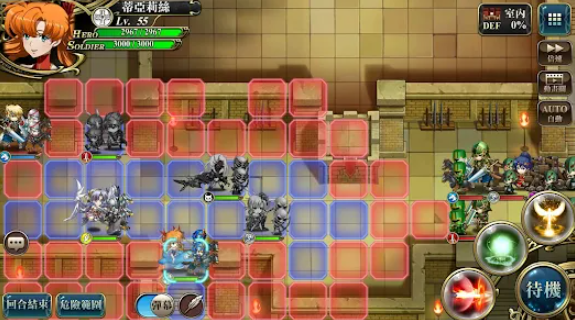
I. Game Introduction & System Overview
A. Game Intro & First Steps
The biggest appeal of Langrisser is that it meets the needs of two types of players at once:
-
Players who love strategy: You’ll need to think about positioning, terrain bonuses, unit counters, and skill timing—all the tactical details that make the game engaging.
-
Players who love character growth: You can level up various heroes, collect gear, adjust enchants, raise Affection levels, unlock Awakening breaks, upgrade to SP forms, and even change exclusive skins.
But because there are so many systems, new players often make a fatal mistake: leveling random characters early on, splitting their resources too thin. When they hit a roadblock in the main story, they realize they don’t have strong enough core units—and then think the game is too hard to keep playing.
My #1 core tip for new players:
First, build "a strong core team that can fight well" before you think about collecting every hero or messing around with fancy game mechanics.
You don’t have to stick to only a few heroes forever, but you need a strong core first to have extra resources to expand later.
B. Core Game Systems 101
In Langrisser, you’ll hear some exclusive terms often. I’ll explain them in simple terms:
-
Factions: These are the "groups" heroes belong to. Many skills, Affection bonuses, and Super Enhancement effects are closely tied to factions.
-
Super Enhancement: This is the game’s core team buff. Without it, your team is like a car with no gas—you can’t reach its full potential at all.
-
Units (Troops): These are small soldiers heroes can bring into battles. Unit counterplay is the core rule of combat in this game.
-
Classes & Job Changes: The same hero can choose different class paths. Job changes determine a hero’s skill set and battle role.
-
Affection System: This is an additional way to strengthen heroes, usually unlocked by collecting specific heroes or completing designated tasks.
-
Gear & Enchants: This is the core of late-game power growth. Gear is the team’s skeleton, enchants are the soul—they directly affect combat performance.
-
Stages & Daily Missions: Almost all game resources come from these two parts. Skip them and your power will grow slower; do them randomly and you’ll waste precious time.
-
PvP Modes: Includes Arena and higher-level battles. Their logic is totally different from PvE stages, so you need time to adapt.
C. New Player Fast Track
I’ll go straight into it.
Here's a "no-regret beginner's start path" for you:
Step 1: Lock in a Faction Core and a Source for Leader Auras
You don't need to master every faction right off the bat, but you must have at least one hero that can dish out Leader Aura boosts—otherwise, your team will always feel underpowered compared to others during battles.
Step 2: Build the Core 5 Roles for Your Team
-
1 Tank-class Hero
-
1 Healer Hero
-
2 Damage-dealing Heroes
-
1 Hero with a Special Role (like crowd control or support)
Step 3: Focus All Resources on Your Main Team—Don't Spread Them Too Thin
One of the biggest mistakes new players make early on is leveling every hero to 30-40. It looks balanced on paper, but none of them will be reliable enough to hold their own in critical moments.
Step 4: Do the "3 Most Worthwhile Daily Tasks" Every Day
No need to have tons of time—just knock these three out, and you won't fall behind:
-
Use up all Stamina after finishing Daily Missions
-
Clear Buddy-themed Event Challenges
-
Complete Goddess Trials
II. Early-Game Faction Selection & Leader Aura System
A. Full Breakdown of the Faction System
In Langrisser, factions aren't just story fluff—they directly impact these key areas:
-
Which Leader Aura (buff) effects you can unlock
-
Whether character Bond lines will open smoothly
-
Whether you can cover more roles with fewer units in your team
One of the most common beginner traps:
"Level whoever you pull" — this is only half true in Langrisser. Sure, if you get a good hero, you can level them, but first make sure they fit into your existing faction, or they're strong enough to work as a standalone core unit.
B. Beginner Faction Selection Tips
From a long-time player's perspective: when choosing a faction as a beginner, don't go for the "strongest one"—pick the one that's easiest to build a full team for.
Factions that feel most beginner-friendly usually have these traits:
-
Easy to get a Leader Aura source that works well with your team
-
Easy to fill all core roles (Tank, Healer, Damage Dealer)
-
Undemanding character Bond requirements
-
At least 1 or 2 "versatile heroes" that work for many different stages
If you're totally stuck on which to pick, here's the strategy I recommend:
-
Build your faction around your pulled SSR core hero first
-
Then pick other heroes in the same faction that share Leader Aura synergy and have similar Bond requirements to fill out your team
This is way more practical than forcing yourself into a "top-tier" faction you can't build for, no matter what guides say.
C. Deep Dive: Leader Aura System
Put simply, Leader Aura is:
A skill you cast that boosts your entire team's Attack, Defense, and key stats—sometimes even adding extra special effects.
Teams without Leader Aura skills: You'll always feel like something's missing in battle—your damage is too low, you can't take hits, and healing feels insufficient.
Teams with Leader Aura: Suddenly, you'll notice, "Wait, why is this fight going so much smoother?"
Two of the most common beginner mistakes with Leader Aura:
1. Casting it once at the start of battle and forgetting to refresh it later.
2. Wasting the skill by not having enough of your team within its range to get the buff.
Practical Tips:
III. Character Rankings & Must-Pull/Must-Train Heroes
First off, let’s make this clear: there’s no all-time strongest hero in Langrisser. But there’s a set of core roles that stay reliably useful long-term: Tank, Healer, Re-mover (units that can act again), Crowd Controller, AoE Damage, and Single-Target Sniper. Fill these spots in your team, and you’ll breeze through the game even if you skip chasing the latest meta heroes.
A. Character Rarity & Tier Quality
Newbie Trap to Avoid:
“Only level SSRs and ignore all SRs.”
The result? Your SSRs get stuck at lower star ranks, you can’t unlock their Bond events, and you’ll be missing Healers, Tanks, and utility units—so your stage clear times will actually be slower.
B. Must-Pull Heroes for New Players
I’m not gonna tell you “you have to pull this exact unit” — the game’s gacha cycles rotate way too fast for that. Instead, I’ll teach you to spot a good pick by their role: if a unit fits these categories, it’s worth investing in.
1) Versatile Healer/Support Units
Key Traits:
C. Core Heroes to Maximize
I’ll group these by type here—no need to memorize every unit’s name. Just know what roles your team is missing, and pick up units to fill those gaps.
1) Newbie’s Must-Train Team: 1 Tank, 1 Healer, 2 DPS, 1 Utility Support
2) “Versatile Core” Traits That Even Veterans Love
Unlocking Bonds Won't Drain Your Resources: At the very least, you won't end up scrambling for resources just to unlock a Bond.
IV. Classes and Promotion System
A. Basics of the Class System
The classes in *Langrisser* aren't split into generic "Warrior, Mage, Archer" like traditional RPGs. Instead, they fall into two broad categories based on role and playstyle:
Newbie Pitfall Warning:
Don't click randomly whenever promotion becomes available—picking a route that doesn't fit your team's needs at all will cost you a lot of valuable resources to switch later.
B. Advanced Promotion Route Planning
I usually use three key questions to decide which promotion direction to take:
If you promote a character to a certain role but don't have the right equipment to go with it, their combat power will look awkward. For example, if you promote to a burst assassin but don't have critical hit/attack-focused enchants and weapons, you'll end up wondering why you're dealing so little damage.
V. Team Composition and Lineup Building
A. Basic Lineup Composition
I have a really effective "5-person formula" for building teams in *Langrisser*:
These two roles are the core of your team's support, deciding your team's survival ability. Pair them with damage dealers and utility roles, and you can handle any stage challenge.
Main Damage Dealer: Deals primary damage to Bosses, takes out key targets, and handles high-threat units.
Sub Damage Dealer: Clears minions, applies debuffs to enemies, and adjusts the battle rhythm.
Utility Character (commonly called "Tool Character"): Provides extra actions, rescues fallen allies, teleports to reposition, applies defense-piercing effects, and dispels status effects.
As long as you stick to this core lineup framework, even if the characters you pull aren't the absolute top-tier in the current meta, you'll still breeze through stages without hitting walls.
B. Strongest PVE Lineups
A lot of players ask what's the strongest PVE lineup? The core is actually super simple:
The lineup that can clear stages smoothly is the best PVE lineup for you.
After all, PVE stages often have various scenarios, so here are solutions to common problems:
PVE Tips for New Players:
-
When building your team, make sure at least 3-5 units will get the Leader Aura buff
-
Leader Auras usually have a turn limit—remember to refresh it before critical moments
-
For PvE, aim for consistency; for PvP, often you need to time your casts to control the battle pace
-
SSR generally have higher stat caps, more polished skill kits, and bigger impacts in PVP matches.
-
SR aren’t weak at all—tons of SR units are absolute beasts in PVE because they’re cheap to train and easy to max out stars on.
-
R are mostly for early-game transitions or niche roles, but a handful have functional traits worth leveling up and keeping around.
-
Has reliable AoE healing (group heals)
-
Healers (Nurses): Provide consistent healing plus extra perks like damage reduction, death resistance, debuff removal, or powerful team buffs. They’re super popular in both PVE and PVP. If you grab a solid healer early on, the entire game’s difficulty will drop noticeably.
-
2) Top-Tier Tanks
Key Traits:-
Tough enough to take hits and actively Guard allies
-
Has damage reduction, self-healing, or counterattack skills
-
Can reliably hold the line in hard stages. A lot of new players get stuck not because their damage is low—it’s because their frontline can’t take the heat.
-
-
3) Re-mover/Mobile DPS
Key Traits:-
Can move and attack again after their first turn, or pull allies close to them
-
Make boss fights and stage clears super smooth—playing these units feels like cruising on a “tactical highway”.
-
-
4) AoE Mages/Crowd Controllers
Key Traits:-
Wipe out waves of mobs fast with AoE damage
-
Or apply debuffs, crowd control, or break enemy defenses. For hard stages, winning doesn’t always come from raw numbers—it’s often about “disrupting the enemy’s rhythm”.
-
-
Tank: Can actively Guard allies, tough enough to hold the frontline and take hits reliably
-
Healer: Focused on consistent healing, preferably with extra perks like damage reduction or debuff removal
-
DPS: At least one single-target sniper and one AoE clear unit
-
Utility Support: Has unique skills like re-move, teleport, pulling allies, crowd control, dispelling, or breaking enemy defenses
-
Mechanics That Don’t Change With Meta Shifts: Core functions like consistent healing, Guard, or re-move won’t lose value even when the game updates its meta.
-
Always Useful in PVE: No matter how many new units come out later, hard stages will always need Tanks, Healers, and Crowd Controllers.
-
Is your character going down the "Damage Dealer" route or "Support Utility" route?
-
Are they going to be a single-target burst damage dealer, area-of-effect clear, tank (to guard allies), healer (support), or crowd control support? Your promotion choice will determine which skills your character can learn, which troops they can deploy, and what types of equipment they can equip.
-
Are you focusing on PVE or PVP?
-
PVE playstyles are stable and versatile, perfect for long-term story progression and clearing stages.
-
PVP playstyles are more extreme, focused on gaining an absolute advantage in single rounds.
-
What role is missing from your team?
-
If you need a tank, don't force a character that can be a tank into a damage role—wasting their unique traits.
-
If you need a healer, don't turn a healer into a semi-damage dealer.
The most important thing in *Langrisser* is team completeness, which matters more than the strength of any single character.
-
Do you have matching equipment and enchants to support them?
-
Tank: Guards allies, takes damage, blocks burst attacks.
-
Healer: Focuses on healing, preferably with some supportive utility too.
-
Boss deals too much damage to survive → Your lineup needs a more durable tank, reliable healer, or enough damage mitigation methods.
-
Too many minions blocking movement → Bring a character with area-of-effect clear, or units with crowd control abilities.
-
Enemies stack buffs and our team gets debuffed → Must have a character that can dispel or remove status effects.
-
Terrain is complex and hard to position → Bring characters with movement, teleport, or extra action abilities to adjust positions.
-
There are time or turn limits → Prioritize high burst and fast-action characters.
-
Start with "stability" as your goal, put together a team that can clear stages reliably—don't chase extreme damage right from the start.
-
After clearing the stage
-
-
Keep tweaking your team setup to clear stages faster
-
Don’t rush to master flashy plays—focus on nailing the core mechanics first
C. PVP Arena Team Compositions
The cruelest part of PVP Arena? Your opponents aren’t just stationary training dummies—they’re real players who will exploit every weakness in your team to win.
-
One wrong move, and they’ll burst your key unit instantly before you can react.
-
For many PVP units, their true value isn’t raw damage—it’s leading with crowd control, disabling enemy skills, or throwing the enemy’s battle rhythm completely off.
The 3 Core Pillars of a Strong PVP Team:
-
Open with early crowd control or heavy pressure to seize the initiative.
-
Have burst potential to take out critical enemy targets in one solid combo.
-
Include counters and survival capabilities for your units to stay in fights.
Common Newbie PVP Mistakes to Avoid:
-
Only stacking damage with zero counterplay options—you’ll crumble the second the enemy throws a counter at you.
-
Not checking range calculations and accidentally stepping into the enemy’s kill zone.
-
Not knowing the enemy’s key skills—they’ll blow up your core unit in seconds if you’re unprepared.
Here’s a super practical tip for newbies jumping into PVP:
First, master "not dying"—then focus on figuring out how to win.
Cut down on small mistakes, and your win rate will climb steadily over time.
VI. Hero Progression & Progress Planning
A. Levels & Star Upgrades
In Langrisser, a hero’s power doesn’t just come from pulling them—it’s down to these key progression details that make the difference:
-
Are their stars maxed to unlock all passive abilities?
-
Have you fully completed their Bond missions for extra stat bonuses?
-
Are their gear enchanted correctly to maximize their stat gains?
Newbie Progression Priority Order:
-
Raise your main 5-man team first so you can clear the main story and daily stages smoothly.
-
Work on your second team later to cover different element types or game mode needs.
-
Only focus on collection units or multi-team setups once you’re comfortable with the above.
B. Talents & Skill System
For many units in Langrisser, their strength is entirely tied to using the right skills together—a super important detail newbies often overlook.
Common skill mistakes newbies make:
-
Slapping on every available skill, which leads to overlapping team roles or missing key abilities you need.
-
Forgetting to save critical skills for when they’ll make the biggest impact.
-
Wasting attack windows by not planning your skill rotation properly.
Key Skill Types to Master in Combat:
-
Sustain Skills: Heals, shields, and damage reduction abilities.
-
Dispel Skills: Cleanse debuffs, break enemy defenses, and disable their skills.
-
Rhythm Skills: Extra turns, movement/teleport, and crowd control abilities to control the fight.
-
Burst Skills: Execute, post-kill extra attacks, and single-target damage for taking out high-priority targets.
I later realized that treating skills like "tools to solve battle problems" instead of just raw damage buttons makes dungeons way easier to handle overall.
C. Resource Allocation & Progress Planning
Resources in Langrisser are always scarce, so you need a clear investment logic—don’t waste them on non-essential stuff randomly.
3 Core Resource Allocation Rules:
-
Prioritize: Core progression for your main key units.
-
Moderate Upgrades: Enchant your gear until it’s usable—no need to chase perfect extreme stats.
-
Late-Game Planning: Focus on collection units, second teams, or min-maxing specific stats later on.
Good Habits for Newbies to Build:
-
Don’t waste resources farming for perfect enchants.
Don't force yourself to build a team with all SSR characters.
Focus on leveling up a team that can reliably clear daily quests and equipment dungeons. Once you consistently farm resources, your progress will smooth out naturally over time.
VII. Equipment & Enchantment Systems
A. Equipment Basics & Acquisition
Equipment in Langrisser can be easily divided into three phases:
-
Early Game: Equip whatever works for you, just focus on getting basic stats to survive battles.
-
Mid Game: Aim for "appropriate sets" and gear for key slots.
-
Late Game: This is when you start chasing "enchantment affixes" and min-maxing perfect builds.
The main source of equipment is dungeon drops, so the sooner you can build a team that can reliably farm these dungeons, the faster your overall progress will be.
B. Best Equipment Pairing Principles
You don’t need to memorize every gear pairing. Just remember each character’s role:
1) What gear works for Tanks?
-
Survival stats first: Health, Defense, Magic Defense
-
Have crit resistance or damage reduction effects
-
Can reliably trigger guard and hold-the-line abilities.
Tanks don’t need to go all out for damage. Staying alive is what matters most.
2) What gear works for Damage Dealers?
-
Single-target damage: Prioritize Attack, Crit Rate, Skill Damage Boost, and Penetration
-
Area damage: Focus on consistent damage plus skill range benefits.
The worst thing for a Damage Dealer is stacking Attack but dying too fast, so they can’t deal their full damage.
3) What gear works for Healers/Supports?
-
Intellect stats
-
Survivability
-
Utility-boosting effects
C. Enchantment System Breakdown
Lots of new players get overwhelmed by the Enchantment system, like it’s a bottomless pit. My advice is: Chase it gradually, step by step.
Phase 1: Get it "good enough"
-
Damage Dealers: At least get Attack-related affixes that feel useful
-
Tanks: At least get Survival-related affixes that work
-
Healers: At least get Intellect + Survival affixes that make sense.
Just equip the usable gear first. Don’t waste resources trying to perfect every enchant— that’s a trap.
Phase 2: Get it "role-specific"
This is when you start adjusting builds for how each character plays:
-
Characters that need to go first: Add Speed or Mobility stats
-
Characters that need burst damage: Add Crit Rate or Damage Boost stats
-
Characters that need to hold the line: Add Damage Reduction or Survival stats
Phase 3: Go for the absolute best
This is endgame content for late-game players— don’t waste too many resources here as a new player, or you’ll end up broke.
VIII. Dungeons & Daily Content
A. Main Story Dungeon Tips
Getting stuck on the main story usually boils down to three reasons:
-
Your frontline Tank can’t survive the damage
-
Your Healer can’t keep everyone alive
-
You don’t have characters that can handle special mechanics
Don’t immediately assume you’re underleveled when you get stuck. A lot of Langrisser stages need the right tactical tools, not just stacking stats.
Pro Solutions:
-
First, check if enemies have annoying special buffs or debuffs
-
Next, see if the terrain is blocking your characters’ movement or positioning
-
Finally, check if you’re missing characters that can apply crowd control or break enemy defenses
You don’t have to grind through stages or waste resources trying to brute force them. Just switch up your skill combinations, adjust your support character setup, and you’ll clear it smoothly.
B. Daily & Regular Dungeons
If you’re short on time, I’ve sorted out the most reliable daily priorities for you—no need to waste stamina grinding aimlessly:
-
Brotherhood System: The impact of unit training is huge. If you’re short on troops, battles get way harder and you’ll hit walls easily.
-
Goddess Trials: This is the main source of equipment in the game. The gap between late-game players almost entirely comes from equipment level and stats—don’t skip this.
-
Dragon/High-Difficulty Material Dungeons: Farm these if you can, but it’s okay if you can’t. Just stick to the difficulty you can clear steadily to accumulate resources—no need to force it.
-
Event Dungeons: Check the reward value. Usually, limited-time events give great rewards, so prioritize them—they’ll be gone forever if you miss them.
You don’t have to force yourself to finish all daily tasks every day, but one thing is crucial: You must consistently get the materials you’re lacking in the long run—this is what makes a big difference over time.
C. Advanced High-Difficulty Dungeons
The most fun part about high-difficulty dungeons is that they don’t test a single character’s training level—they test your smart team composition and rhythm control! Here are common types of high-difficulty stages:
-
Turn limit stages: You need to boost your output efficiency to meet the goal within the required time.
-
Mechanic-based stages: You have to first understand the stage’s rules to solve the puzzle and clear it. Relying only on combat power won’t work here.
-
Multi-wave stages: They test your sustain ability and resource management—use skills wisely, don’t waste them on useless things.
-
Boss phases: Learn to save skills, catch the burst damage window, and take down the core in one go.
If you want to challenge high-difficulty dungeons, the key is definitely not training a bunch of characters—it’s prioritizing the right core characters:
-
One sturdy tank that can take damage on the front line.
-
One reliable healer that can heal and keep everyone alive.
-
One functional character that can break defenses or apply debuffs to support team damage.
-
One high-damage output character responsible for dealing key burst damage.
Once these four roles are covered, high-difficulty dungeons will suddenly feel way more manageable—you won’t feel like the difficulty gap is insurmountable anymore.
IX. Arena & PVP Systems
A. Arena Basics
In the early PVP, don’t rush to practice all kinds of combos. Focus on mastering these three things first: distance control, turn order (who attacks first/after), and each character’s skill traits. This is my most recommended way for new players to practice PVP:
Before each match, clearly think about “what’s my goal this turn?” Is it to CC the key character? Protect your core unit? Take out a low-HP target? Or retreat and reposition to look for an opportunity? Once you’re clear on your goal, you won’t mess up and waste skills on useless moves—you’ll use every precious chance wisely.
B. High-End PVP Environment
Common features of high-end PVP include:
-
Controls and anti-control methods are everywhere—one mistake and you’ll get chain CC’d nonstop.
-
Even a tiny lead in turn order can decide the match. Small details and calculations matter a lot.
-
One burst combo or link can take down a core character. Fragile DPS can get killed in seconds.
-
What you thought was a sturdy tank might get melted by special mechanics. Never underestimate the damage from stage mechanics.
That’s why the strongest in high-end PVP isn’t a single overpowered character—it’s:
-
Your team’s “completeness”: Every role can do its job well, with no obvious gaps.
-
Your understanding of the meta: Knowing which characters are strong in the current version and the mainstream mechanics.
-
Your mastery of skill cooldowns: Planning when and how to use skills wisely in order.
C. Alliance Matches & Siege Battles
The core of team-based gameplay is coordination—one person’s strength doesn’t decide the win or loss:
-
It doesn’t matter if you’re not the strongest in the team, but you must know your role in the group.
-
Some people are in charge of tanking damage, some of CC, some of taking down enemies—each does their own job well.
-
Do your part well, and the team
The overall gain is high, and everyone can progress together.
Many players get stronger in team battles because they gradually understand: *Langrisser* isn’t a single-player game. The team mode is far more important than how strong your solo character is—knowing how to cooperate is the key to winning team matches.
X. Common New Player Questions & Quick Start Guide
A. 10 Must-Know Questions for New Players
Q1: Should I reroll for a starter pull?
A: It depends on your playstyle. If you want to save time and jump right in, that’s totally fine. If you want a smoother experience later, rerolling for a "versatile core unit" will help, but don’t overdo it—you don’t want to burn out before even getting into the game.
Q2: Can I level up SR units? Is it a waste?
A: ABSOLUTELY yes! Plenty of SR units are super useful for new players. The main rule in *Langrisser* is to build your team first, not just grind SSR units. Be flexible with resource allocation—don’t fixate on rarity.
Q3: What if I get stuck on the main story?
A: First check if you’re missing a tank or healer. Then see if you need units with dispel, crowd control, or movement skills. Most of the time, being stuck isn’t about your overall power—it’s about bringing the right tools for the level. Swap units and you’ll get through it.
Q4: Is an ultimate skill a must-have?
Q5: What if Bonds are hard to unlock?
A: It’s totally normal that you can’t unlock all Bonds right now! Just focus on the ones you can get first, don’t fixate on a single Bond. This is a long-term process, not something you finish in a day.
Q6: Should I chase perfect equipment?
A: New players definitely don’t need to rush for top-tier gear! The priority is having basic equipment that lets you clear stages smoothly. You can upgrade to better gear later.
Q7: How do I enchant without going broke?
A: Don’t even try to get perfect enchants at the start! Take it step by step—stop once your enchants are good enough to use. If you dump all resources into random enchants early on, you’ll run out fast and struggle later.
Q8: How much time should I play daily?
A: You don’t need hours every day! The basics (main story + key daily missions) only take 30 minutes. If you want to progress faster, add dungeons and events. You can have fun even with limited time—just know what to prioritize.
Q9: Is my team bad if I lose PVP?
A: Not always! Most of the time it’s about positioning and timing. First learn to survive and not get one-shot, then master finishing moves—your win rate will jump a lot.
Q10: Should I spend money here?
A: A little micro-spending in the Langrisser series makes things way more comfortable, but you can still play completely free! The key is planning: focus resources, don’t waste them on random events.
B. Advanced Player Progression
-
Build two teams: One for reliable stage clears, another for hard dungeons/boss fights.
-
Enchant for unit roles: No need for perfect enchants, but make sure they fit what your unit is meant to do.
-
Learn stage mechanics: The better you are at figuring out stage rules, the fewer resources you waste and the faster you progress.
XI. Version Updates & New Systems
A. Hero Reshaping & SP System
The SP or Reshaping System here usually means one thing:
Old units might get buffed, or gain a whole new playstyle.
A common mistake is dumping resources into the new system immediately, which stalls your main team.
My advice:
-
Check if it directly boosts your main team first.
-
If yes, invest; if not, wait and see—don’t waste resources on something that looks cool but isn’t useful.
B. New Heroes & Mechanics
New heroes usually fall into two types:
-
Game-changing core units: Getting one will directly raise the ceiling for a specific playstyle.
-
...
- Support Characters: They’re strong, but you can still play well without them — you’ll just have one fewer option when building your team.
The healthiest gacha mindset for new players is:
I only pull units that fill gaps in my team, nothing I won’t use.
If your team lacks heals, go for healers; lacks tanks, go for tanks; lacks mobility, pick units that fit the gap.
Pulling all damage dealers and leaving yourself with no heals or tanks will only make the game way more frustrating.
C. Game Update Rhythm
You don’t need to rush to keep up with every single update. Just do these things:
-
Finish all events you’re supposed to
-
Keep your main team growing steadily
-
Set a clear small goal every month
This way, you won’t feel lost even after playing for a whole year.
XII. Resources & Rewards System
A. New Player Perks & Gifts
New players get super generous perks here — the game guides you along as you progress, so make sure to grab these:
-
Login Rewards
-
New Player Quests
-
Event-exchange items
-
Stage clear rewards
These are your fastest source of catching up to the game’s pace.
B. Premium Purchases & Battle Passes
No one’s forcing you to spend real money here, but if you want to “enjoy the game more with minimal cost”, the best value picks are usually:
-
Battle Passes
-
Stamina/Monthly Subscriptions
The easiest traps to fall for, however, are: -
Impulse buys of one-time big packages
You might feel good right after buying, but it’ll hurt way more later when your resource planning breaks.
C. Maximizing Free Resources
The biggest strength of F2P (free-to-play) players is knowing how to use every single free resource — never wasting a single chance to progress.
Save your resources instead of wasting them randomly; wait for the right moment to strike.
You must remember these 3 key points:
-
Focus your resources on events with the most generous rewards
-
Don’t get trigger-happy whenever you see something new — don’t waste resources daily for no reason
-
Use your stamina only on the most cost-effective dungeons, not trivial stuff
Follow these 3 points, and even as a F2P player, you can keep up with most players’ progress step by step.
XIII. Community Resources & Advanced Learning
A. Official & Community Channels
There are tons of guides for *Langrisser*, and new players can easily get overwhelmed by all the random info. The guides you look for should meet these criteria:
-
Have clear team-building logic
-
Explain the core mechanics of stages
-
Also provide alternatives if you don’t have the exact unit they mention
B. Guide & Tool Recommendations
Whenever you read a guide, always ask yourself these 3 key questions:
-
Is this guide for PvE or PvP content?
-
Is this basic stuff new players can use, or high-end endgame play?
-
If I don’t have the unit they mention, what’s a good substitute?
Ask these, and you won’t end up using a guide that’s totally unsuitable for you, wasting time with avoidable mistakes.
C. Path for Advanced Players
-
Clear all high-reward events every week without fail
-
Train your main team to “clear stages consistently”, not relying on luck to cheese through stages
-
Start building a second — even third — team to handle different content needs
-
Work slowly towards the caps for enchantments and equipment stats
This path is steady and enjoyable, perfect for players who want long-term, consistent progress.
XIV. Quick Navigation & Index
A. Topic Navigation Bar
-
Want to know what new players should do first → Check Section I-C
-
Want to understand faction compositions and how to use Awaken skills → Read Chapter II in full
-
Want to know how to pick must-use heroes → Check Sections III-B / III-C
-
Want to know how to pick class evolutions → Section IV-B
-
Want to know the difference between PVE and PVP team builds → V-B / V-C
-
Want to know the priority of character development → VI-C
-
Want to know how to do equipment enchants → All of Chapter VII
-
Want to know the priority of daily dungeon farming → VIII-B
-
Want to brush up on PVP basics → IX-A
-
Want quick answers to common newbie questions → X-A
-
Want to see resource investment priorities for SP/Reincarnation → XI-A
-
Want to play F2P with maximum resource efficiency → XII-C
B. Tables & Comparisons
| Your Problem | Most Common Cause | Quickest Fix |
|---|---|---|
| Stuck on Main Story | Tanks can't hold aggro/Healers can't keep team alive/Team lacks utility roles | Add a tank & healer, pair with characters that have dispel/CC/mobility skills |
| Low Boss Damage | Not enough single-target damage/Missed burst windows | Add a single-target damage character, save your burst skills for key moments |
| Can't Clear Mobs | Not enough AOE damage/Not enough CC | Bring a character with good AOE or CC to clear groups fast |
| One-shot in PVP | Bad positioning/Didn't learn the enemy's burst rhythm | Prioritize survival, calculate attack distance, and learn counter techniques |
| Always Short On Resources | Leveling random characters/Wasting resources on random enchants | Focus your resources on your main team, level enchants gradually instead of randomly |
C. Always Updated Content Tips
-
After a version update, first check if it affects your main team
-
Prioritize long-term usable resources from event rewards, not small short-term ones
-
Don't dump all your resources into new heroes right away—first confirm if they fill a gap in your team
Play at this pace, no matter how the meta changes, you won't fall too far behind other players.
The longer you play *Langrisser*, the more you'll realize everyone ends up agreeing on the same rule: It's not about pulling a few meta characters to win—it's about planning your resources carefully, having a well-balanced team composition, and knowing the key points to beat stages. The more you play, the smoother it gets, and the faster you'll progress.
If you want to take this guide to match the longer detailed articles on the site, I can keep the same casual, gamer-friendly style
We'll expand the game guides into more detailed, systematic, near-wiki-level versions. Players can quickly access these useful resources once they're on the site to solve all kinds of situations they run into in the game.