Onmyoji Arena: No More Feeding! A Complete Beginner's Guide from Zero to Ranked Play
To be honest, **Onmyoji Arena** at first glance feels like a MOBA set in the Onmyoji universe, but once you actually play it, you'll realize it's nothing like those games where you can just pick a cool-looking Shikigami and follow your teammates' rhythm to win easily.
Its core gameplay is more like — every step comes with a choice: Should you trade damage in lane? Should the jungler invade the enemy jungle directly? Do you need to ward areas immediately? Should you build full damage instead of survivability? Who should you focus on in teamfights? Even a tiny wrong decision can turn an advantage into a total team wipe in seconds.
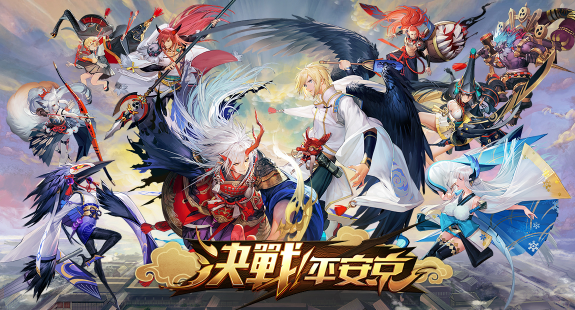
I. Intro & Game Overview
A. Core Content Overview
If you're new to Onmyoji Arena, let me boil down the core of this guide to one sentence:
This is a MOBA game where details win matches. You don't need super fast reaction time, but you absolutely must understand game rhythm, positioning, and resource trade logic.
Many new players hit three frustrating situations when they first start out:
-
Getting zoned in lane: We're in the same lane, why's the enemy dealing so much damage while I'm as squishy as paper?
-
Spamming skills in teamfights: My teammates are just throwing skills around, why am I always the one dying?
-
Not knowing what to do at all: After pushing the minion wave, should I back? Rotate to support? Take map objectives? Or bush camp?
This guide will help you level up from playing blindly to knowing exactly what to do at every moment, and I've tailored it for two types of players:
-
Total beginners: Players who've never touched a MOBA, or new to Onmyoji Arena
-
Switching players: Players who've played other MOBAs but struggle to adapt to Onmyoji Arena's unique rhythm, Shikigami designs, and skill mechanics
B. Game Background & Core Features
Onmyoji Arena's art style, music, and Shikigami designs were already big selling points: Onmyoji IP universe, Japanese yokai elements, even skill effects have that strong Japanese-style vibe.
But what makes this game so replayable is its solid core MOBA design:
-
Three lanes + jungle resources + map objectives
-
Clear counter relationships between Shikigami of different roles
-
Item builds and Onmyo Magic choices let the same Shikigami play totally different styles
-
Warding and rotation rhythm directly determines match outcomes
The more you play, the more you'll understand: this game isn't about flashy mechanics winning matches, it's about not losing every interaction.
II. Complete Beginner's Guide
A. Basic Game Concepts Explained
1) Figure out the Core Logic of Winning the Game
The most common mistake new players make is: Only focusing on fighting and getting kills.
But the underlying logic of MOBAs is actually: Gain resources → Build advantage → Push towers → Take map objectives → Win the game.
So what exactly counts as resources in this game?
-
EXP and gold from minion waves
-
Jungle creeps and all types of resources in the jungle
-
Important objectives on the map
-
Global vision control
If you're fighting all game, only to fall behind in minion waves, lose towers, and let the enemy take all map objectives, you're just having fun — you're not playing to win.
2) You Must Understand the 5 Roles
Role Division
Like most MOBA games, *Onmyoji Arena* uses a 5-player lane-based format:
-
Top Lane: Mostly Warriors or Tank-type Shikigami, tasked with absorbing frontline damage, pushing lanes solo, and initiating team fights.
-
Mid Lane: Mostly Mage-type Shikigami, whose main job is to control the overall game pace and support other lanes.
-
Bottom Lane: The core source of damage in team fights, but weak in the early game—so they need teammates to protect them while farming.
-
Support: Core duties are protecting the bottom lane ADC, controlling overall map vision, supporting to initiate or counter team fights, and keeping teammates alive.
-
Jungle: Responsible for controlling jungle pace, supporting all lanes, and driving the team’s gold and experience advantages.
Let’s start with the core jobs of Junglers and Supports: The Jungler has to mess up the enemy Shikigami’s farm as much as possible, while the Support needs to watch over their own teammates so they can farm and grow without any worries. These two simple points are actually the key to setting your whole team’s pace.
One most important rule for new players:
Jungle to disrupt enemy farming; Support to protect our team’s growing space.
What Should New Players Focus on Practicing in Their First Month?
Don’t jump into flashy Shikigami right away! Instead of caring about how flashy your plays are, these three basics are the foundation to boost your win rate:
-
Last Hitting and Wave Management: Don’t sleep on last hitting—every bit of gold affects your item power. Missing even one last hit might make your items lag behind, and falling behind on items is how you start losing.
-
Keep Deaths Low: The fewer times you die, the less you feed the enemy team’s pace. Stay alive to keep dealing damage—if you die, you can’t even get assists.
-
Check the Minimap Often: If you don’t see the enemy Jungler on the minimap, don’t push the lane too far. Just assume they’re ganking nearby and be ready to dodge ambushes.
These three might seem boring, but they’re the real keys to getting better. Even pro players start with solid basics—don’t hate on practicing fundamentals.
B. Role Selection Guide
The most common question new players ask when they start out is: “Which lane should I play?” Let’s break it down simply for you—no overcomplicating:
1) Average Hand Speed, Want to Climb Steadily Without Dying Easily
-
Recommended picks first: Top Lane Tank/Warrior, Support
Simple reason: These roles have high error tolerance. Even if you make mistakes, you won’t die instantly. You’ll also learn core concepts like team fight initiation, protecting teammates, and taking damage—perfect for building basics as a new player.
2) Love Dealing Damage, Want to Be the Star of the Game
-
Recommended pick first: Mid Lane Mage
Reason: Mid lane has short waves, so it’s easier to manage. After clearing waves, you can quickly support top and bottom lanes to control the game pace. Of course, there’s a downside: Mid waves clear fast, so you can push too far easily and get ganked by the enemy Jungler—don’t overpush!
3) Love Finishing Kills, Enjoy Ganking Lanes All Over
-
Recommended pick first: Jungle
But let’s be real—new jungle players run into so many pitfalls! A lot of new junglers just farm their own jungle nonstop, sweat buckets, and never support when teammates get ganked. That’s because they don’t understand the concept of pace. If you really want to play jungle, learn two things first: Watch lane dynamics + Count the respawn time of big objectives.
4) Want to Play the Marksman (ADC) Role
You can play it, but be prepared:
The core of an ADC is “Stay alive to deal damage”
New ADCs usually die from three common mistakes:
-
Pushing waves without wards or vision and getting ganked by the enemy Jungler
-
Standing too far forward in team fights and getting burst down by enemy assassins
-
Spamming your Flash and escape abilities the second you see the enemy Jungler, then dying immediately
If you really want to play ADC, it’s best to find someone willing to specifically protect you
Queueing with a support player makes the experience way better. At least you won’t be the enemy’s top-priority target to dive and take down.
C. A No-Detour Path for Beginners to Get Strong Fast in One Month
Here’s a totally no-detour growth path for you. Follow it strictly for one month, and you’ll definitely get way stronger:
Week 1: Lock in 1 Role + 1-2 Easy-to-Pick Shikigami
Don’t try to do too much at once! If you try playing 10 Shikigami all in one go, you’ll mess everything up and get more confused. This week, stick to:
-
Stick to 1 main role
-
1 backup role (so you don’t argue with teammates when they take your spot)
-
1-2 easy-to-play, reliable Shikigami for each role. Skip flashy, super hard-to-master Shikigami at all costs
Week 2: Master Last-Hitting and Backing Timing
This week, start building the right game mindset:
-
If your HP’s low, don’t force yourself to stay in lane—head back to base to heal up. Otherwise, you’ll feed and look silly
-
Wait until you clear the minion wave before backing. That way, you can use the remaining minions to farm extra gold without wasting time
-
Before backing, place a ward (or at least check the mini-map) to see where the enemy jungler is—don’t get ganked
Week 3: Practice Ganking and Objective Awareness
After every wave clear, ask yourself these three questions:
-
I cleared mid lane—can I gank top or bot lane to help out?
-
I’ve cleared half of my jungle—can I control the river vision to stop the enemy from stealing the dragon?
-
Are we ready to go for a big objective (Dragon/Kirin) right now, or should we push the enemy back first to get an advantage?
Week 4: Practice Teamfight Positioning and Knowing When to Initiate vs Follow Up
A lot of the time, you lose teamfights not because you don’t have enough damage, but because you make these three fatal mistakes:
-
Terrible positioning—you get deleted by the enemy assassin immediately
-
Wasting skills randomly—you have no skills left to save yourself or protect teammates when it matters most
-
Initiating teamfights too early or on the wrong target—ruining the whole teamfight’s tempo
This week, start working on these:
-
If you’re a damage-focused champion, don’t dive into the teamfight first—just stay behind your team and deal damage safely
-
If you’re a Tank or Warrior, find ways to use your skills to lock down the enemy’s main damage dealer at key moments, and protect your teammates
-
You’re playing Support
If you’re Support, always keep an eye on your team’s main damage carry—don’t let the enemy get to them. Be ready to use your protect skills at all times, and never initiate teamfights randomly—you’ll mess up the whole team’s tempo.
Keep an eye on the enemy assassin’s movements at all times. Don’t give them easy chances to dive your backline.
III. Shikigami Recommendations and Ranking System
Let me be real with you:
What determines a Shikigami’s strength in Onmyoji Arena isn’t just the game’s meta—it’s your own skill level and whether your teammates can keep up with your playstyle.
A lot of players blindly follow the so-called T0 Shikigami tier lists, but when they pick them, they suck hard—simply because they have no idea when that Shikigami is actually strong.
That’s why I’m not just gonna throw a list of Shikigami at you here. Instead, I’ll teach you how to understand the logic behind the rankings and pick a Shikigami that actually fits your playstyle.
A. Shikigami Categories and Traits
We can roughly split Shikigami in Onmyoji Arena into the following categories:
1) Tank/Frontline Type
-
Core Role: Take enemy damage, initiate teamfights, protect your backline, and handle lane pressure
-
Pros: Low skill ceiling, high room for error (more forgiving)
-
Cons: Weak on their own damage, teamfight performance depends heavily on teammates
Perfect for beginners to build basic game awareness.
2) Warrior/Fighter Type
-
Core Role: Trade damage in top lane, split push to take towers, and dive the enemy backline in teamfights
-
Pros: Balanced between dealing damage and taking hits
-
Cons: Timing your entry into teamfights is super critical—go in too early and you’ll get killed instantly.
3) Mage / Control Burst Class
-
Core Responsibilities: Clear minion waves quickly, rotate to other lanes in time, and handle crowd control or burst down key targets in team fights.
-
Pros: You have an extremely high influence over the game’s overall rhythm.
-
Cons: You’re relatively fragile — one wrong positioning move and the enemy can jump on you and burst you down instantly.
4) Marksman / Continuous Damage Class
-
Core Responsibilities: The main source of damage in team fights; push turrets and break defenses quickly.
-
Pros: Once your items are fully built, your late-game damage output is incredibly high.
-
Cons: Early game damage is low, you’re fragile and easy to gank, and you need your teammates’ protection to perform well.
5) Assassin / Finisher Class
-
Core Responsibilities: Jump on the enemy backline, burst down their core damage dealers, and drive the whole team’s game rhythm.
-
Pros: Can effectively shut down the enemy’s core damage dealers, making them too scared to step up and play aggressive.
-
Cons: One single operation mistake can directly cause your team’s game rhythm to collapse.
6) Support / Utility Class
-
Core Responsibilities: Protect your teammates, control map vision, initiate team fights or counter the enemy’s team fight engages.
-
Pros: Doesn’t need a lot of gold resources to make a significant contribution to the team.
-
Cons: This role really tests the player’s macro awareness; a wrong positioning move can drag the entire team’s performance down.
B. T0 Shikigami Selection Reference
I won’t just stuff a bunch of Shikigami names here randomly, because what you need is a set of long-term general criteria.
A so-called "T0 Shikigami" usually has 2-3 core traits like these:
-
Strong Lane Ability: Can push minion waves, trade health without losing, and is hard for the enemy to shut down in lane.
-
Strong Roam Ability: Clears minion waves fast, has high movement efficiency, and can drive the whole team’s game rhythm.
-
Big Team Fight Impact: Either has massive burst damage or crowd control that gives the enemy headaches.
-
High Flexibility: Even if you make an operation mistake, you won’t die directly.
-
Fast Item Spike: Only needs about 2 items to start being useful.
If you plan to pick a T0 Shikigami, prioritize the kind that:
"Can consistently bring value to the team even without flashy operations."
After all, new players lack not upper mechanical limits, but consistent performance.
Here’s a super practical screening method for you:
-
Check the Shikigami’s skill description:
-
Has movement skill + crowd control + self-peel means → These Shikigami are usually very strong.
-
Has fast wave clear skill + excellent roam ability → Perfect for the mid lane position.
-
Has hard crowd control skill + can initiate team fights → Super helpful for team fights.
-
C. Cost-Effective Shikigami Pick Guide
For me, the standard for a cost-effective Shikigami is simple:
Doesn’t need too many resource inputs, isn’t afraid of being targeted by the enemy, won’t die directly even if you make a mistake, and can contribute to the team.
1) Top Lane for New Players: Prioritize "Can take damage + has escape ability"
The worst situation when playing top lane is getting ganked once and messing up the whole lane’s rhythm.
So when new players pick a top lane Shikigami, they should prioritize:
-
Has movement skill or damage mitigation effect.
-
Has reliable crowd control skill.
-
Works well without complicated combo chains.
2) Mid Lane for New Players: Prioritize "Fast wave clear + reliable crowd control"
To play mid lane well, you just need two main things, and these picks are super practical:
-
Hard to get killed in 1v1 by the enemy.
-
Clear minion waves quickly and rotate to help other lanes.
So here’s what you should prioritize picking for these types of champions:
-
Can clear minion waves quickly with just one or two abilities
-
Can crowd-control enemies when using skills in team fights
Your win rate will look way better.
3) New Bot Lane ADCs: Prioritize Champions with Strong Survival Capabilities
New players, don’t jump into picking ADCs that have NO mobility skills, rely way too much on teammates for protection, and only become super strong late game right off the bat.
For the newbie phase, start with champions that have mobility, shields, or slows — these survival tools at least give you a shot to stay alive and dish out damage.
4) Newbie Supports: Prioritize Champions with “Hard CC Skills + Self-Survival”
As a support, you’ll be doing your job perfectly if you nail these two things:
-
Keep your ADC from getting oneshot
-
Can initiate team fights or turn the tide of team fights
You’re already a totally awesome support player.
5) Newbie Junglers: Prioritize Champions with “High Jungle Clear Speed + Good at Ganking Enemies”
Playing jungle as a newbie sucks for two big reasons:
-
Clear speed is too slow → You’ll never keep up with the game’s pace
-
No CC skills → Going to gank other lanes is a total waste of time
So here’s what you should pick at the start:
-
Champions with good jungle clear speed
-
Champions with hard CC or burst damage that can kill enemies
This way, you won’t struggle as much while playing.
IV. Detailed Guide for Each Lane Champion Playstyle
The content ahead will explain things using real situations you’ll run into when actually playing the game, not textbook-style definitions that are way too theoretical.
A. Top Lane Guide
The core key points for top lane:Surviving under pressure, trade health tips, minion wave control, split pushing to distract enemies.
1) What should you do in the early top lane?
Top lane is usually a 1v1 situation, so the early game goal is super simple:
-
Last hit safely and don’t wander off randomly
-
Don’t get caught and killed by the enemy jungler
-
Trade health when you can, but don’t get so low that you need to back to base to heal up
The two most common mistakes new top lane players make:
-
When your health is already 1/3 left, you don’t back to base, try to stay in lane to last hit, and end up getting killed by the enemy’s full combo skills
-
Push the minion wave too far, don’t put up wards, and get surrounded and killed by the enemy jungler from behind
The survival rule for top lane:
If you don’t see the enemy jungler anywhere, don’t push the minion wave all the way to their turret.
2) When should you go to support? When should you split push?
This is the make-or-break choice in top lane.
-
If you’re playing a champion that leans towards being a tank or has the ability to initiate team fights:Prioritize grouping with your team for team fights
-
If you’re playing a champion that can duel opponents and push turrets fast:Prioritize split pushing to distract the enemy
Split pushing isn’t just pushing turrets randomly — here’s what you need to do:
-
Once you get to a safe area, retreat immediately
-
Force the enemy to send someone to deal with you
-
You hold back two enemy players, and your team can take map objectives (like dragon, turrets)
If your split pushing can achieve “stay alive + distract enemies”, then you’re definitely a top lane beast.
B. Mid Lane Guide
The core key points for mid lane:Clear waves fast, support other lanes, control the game’s pace, don’t get caught by the enemy.
1) Why is mid lane important?
Because mid lane is close to both top and bot lanes, your support speed directly determines these things:
-
Will the bot lane get crushed by the enemy
-
Can your jungler successfully gank when they go to help
-
Can you arrive at team fights early
The strongest part of mid lane players is not
It's not just about how much damage you deal, but about:Every time you rotate to assist, you help your teammates secure map resources or get kills.
2)The Safest Mid Lane Play: Clear Minions First, Then Rotate
Don’t rush over immediately when you see a bot lane fight—do this instead:
-
Clear the entire mid lane minion wave first
-
Move toward the river
-
Check the minimap to decide whether to go top or bot. This way, your rotation won’t be wasted, and you won’t lose much gold.
3)What’s the Worst Situation for Mid Lane?
The scariest scenario is when you think you’re safe, but the enemy jungler is already hiding in the nearby bush waiting to gank you. So you must develop good habits:
-
As soon as you spot the enemy jungler on any lane, silently note his movement path in your head
-
If you don’t have recent info on the enemy jungler’s location, back off right away
-
Instead of being greedy for gold from one minion, just avoid the area—never let the enemy jungler catch you off guard and kill you
C. Bot Lane (Duo Lane)
Key points for bot lane: Marksman farming, Support vision, trade rhythm, turret plates, and turret pushing.
1)What’s Most Important for the Marksman?
It’s not getting kills—it’s surviving to last hit. If you can consistently last hit every minion, you’ll definitely become the damage core in team fights from mid to late game.
New marksmen must remember this:
You’re not here to fight—you’re here to make gold.
Only trade health or fight when there’s a good opportunity. If not, just focus on last hitting carefully!
2)The Support’s Role in Lane
The support isn’t just hanging around watching the game—you need to do these things:
-
Block deadly skills for the marksman
-
Control bush vision to avoid being ganked
-
When the enemy tries to trade health, fight back or push them away in time
-
You can even trade your own health to burn the enemy’s damage dealer’s health
The worst support is the one who thinks they’re the team’s third damage dealer, runs around fighting randomly, and ends up getting the marksman killed by the enemy.
3)When to Fight vs. Retreat in Bot Lane?
The judgment is simple:
-
All your skills are off cooldown, your health is full, and the enemy made a positioning mistake → Go fight!
-
Your skills are all on cooldown, your marksman has no flash, and the enemy jungler is missing → Retreat first!
Many bot lane feeds happen because of greed: you should have retreated, but you stayed to grab those two minions, and got surrounded and killed by the enemy.
D. In-Depth Jungle Guide
Key points for jungler: Pathing, rhythm, ganking, securing objectives, counter-jungling, vision.
1)Common Mistakes New Junglers Make
-
Only farming all camps: You might have the highest gold on the team, but you can’t save your teammates if their lanes are crushed
-
Only ganking all the time: You’ll not only fail to get kills, but also waste your own farming time and fall way behind in level
-
Ignoring objectives: The enemy will take important resources quietly, while you’re still hiding in the top lane bush waiting for nothing
Remember this:
A jungler doesn’t do whatever they want—they go where the value is.
2)How to Tell If You Should Gank This Time?
Before ganking, confirm these three things:
-
Does your lane have crowd control skills to lock down the enemy?
-
Does the enemy target have flash or mobility skills?
-
Is the minion wave pushing toward your team or the enemy’s?
The safest play for new junglers:
Gank enemies who have no mobility, are pushed too far, and have low health.
Once you get a successful gank, you’ll start controlling the game’s rhythm.
3)The Concept of Securing Objectives
Besides ganking, a jungler’s core job is taking important objectives.
You need to roughly remember at what time and which objectives are important.
When to engage, and what to prep for in advance:
-
Place wards
-
Ping for team grouping
-
Zone out the enemy team
Most ranked game losses happen because:
You win a teamfight, but don’t secure objectives right away—then the enemy comes back from respawning and crushes you.
Section V: Item Builds & Onmyodo System
This is the part new players love to copy, but also the easiest to mess up. There’s no one "correct" item build—it all depends on: who you’re facing, if you’re ahead or behind, and what role your team needs you to fill.
I’ll start with basic item build logic, break down core builds for each role, show how to use pre-set builds effectively, and cover Onmyodo spells and Shikigami Powers at the end.
Section A: Basic Item System
1) The Core of Item Builds: Amplify Your Strengths, Fix Your Weaknesses
-
If you’re a squishy carry: Decide if you want to build survivability or more burst, based on the game state
-
If you’re a Tank: Build resistance items that counter the enemy’s damage type
-
If you’re a Fighter: Decide early if you’ll be a backline-dive damage dealer or a frontline tanky soak
2) Don’t Just Trust "Recommended Builds"—Check Who the Enemy Is
The most common fail scenario: If the enemy has high magic damage but you keep stacking physical defense, you’ll get oneshotted by their mage in teamfights. You need to analyze the enemy team: If there’s lots of physical damage,
Here’s the logic for adjusting builds based on enemy comp: If physical damage is high, prioritize physical defense; if magic damage is dominant, lean into magic resistance; if the enemy has tons of CC, grab Tenacity (reduces control time), cleansing tools, or survival gear; if Assassins are gunning for squishes, don’t overfocus on damage—get anti-dive items or keep a survival skill ready.
3) Builds Change Big Time When You’re Ahead vs. Behind
The mindset for building items is night and day depending on if you’re winning or losing: When you’re ahead, don’t overthink—stack damage items and snowball your advantage to crush the enemy; when you’re behind, your #1 priority is to STAY ALIVE. Only alive players deal damage—ramming damage items will just get you killed repeatedly.
One of the biggest signs a new player is improving is when they start building survival items when behind, instead of stacking damage and being a free target under enemy turrets. This is so important—don’t sleep on this change!
Section B: Core Item Builds By Role
1) Tank / Frontliner
The core goal of Tank/Frontliner builds is simple: Stay alive, soak the first burst of teamfights, and let your teammates deal damage comfortably. You’ll balance Physical Defense, Magic Resistance, Health, and Damage Reduction—here’s an easy rule for new players:
-
If the enemy Marksman is fed → Prioritize Physical Defense items
-
If the enemy Mage is dealing massive damage → Prioritize Magic Resistance items
-
If they have both physical and magic damage → Stack Health and general Damage Reduction for a safe pick
2) Fighter
Fighters first need to pick their playstyle—they can go two routes:
-
Dive Fighter: Focus on burst damage and chasing, specifically targeting the enemy’s backline squishes
-
Frontline Fighter: More tanky and sustain, taking damage to open paths for teammates
For new players, I strongly recommend starting with the Frontline Fighter route—it has a higher error tolerance, so you won’t accidentally feed your team. Once you’re comfortable, you can try the Dive Fighter, since you’ll better know when to jump in at the right time.
3) Mage
Mage builds focus on three key things: Wave clear speed, burst or sustained damage, and survivability. The #1 mistake new Mages make is stacking damage items and forgetting survival—they get oneshotted by the enemy Jungler or Fighter right when teamfights start, and can’t even cast a few skills. My tip: Even if you skip one damage item to grab a survival one, you’ll get to cast 2 extra skill rotations, and that adds up to way more total damage. Don’t doubt this!
4) Marksman
Marksmen’s core is consistent damage, Attack Speed/Crit Chance/Armor Penetration—always prepare for Assassins targeting you. DO NOT overfocus on damage: If enemy Assassins are gunning for you nonstop, grab survival items early or use Shikigami Powers to stay alive. 3 seconds of alive damage is way better than 0 seconds of dead damage—trust me.
5) Support
Support builds aren’t about damage—they’re about utility, vision, team benefit, and staying alive. And
Support item builds need to coordinate with your teammates: if you’re an engage support, go for some tankiness; if you’re a peel/protect support, max out all your protective stats.
C. Pre-made Item Builds & Quick Start
You can copy the default item builds, but you need to know how to use them properly:
-
Play 10 matches with the default build first to get familiar with the Shikigami’s feel and build timing.
-
Next, start learning to adjust 1-2 items based on the enemy comp—no need to change everything.
-
Eventually, you’ll develop your own item build habits.
For new players, I suggest starting with the simplest adjustments: if the enemy team has burst magic damage, add magic resist or survival items; if they have burst physical damage, add physical resist or survival items; if they have heavy healing, add anti-heal items.
Don’t change 5 items at once—you’ll just mess things up.
D. Yin-Yang Skills & Onmyodo Spells
Think of Yin-Yang Skills as your "core stats and playstyle direction" for the match, and Onmyodo Spells as your "emergency buttons".
1) How to pick Yin-Yang Skills?
The safest way for new players is to pick based on their role:
-
Tank/Fighter: Focus on survival, sustain, and engage capabilities.
-
Mage: Focus on magic power, cooldown reduction, burst damage, or poke.
-
Marksman: Focus on damage scaling, attack speed, or critical strike stats.
-
Support: Focus on utility, protection, vision, and team-wide benefits.
-
Jungler: Focus on clear speed, attack speed, or movement speed stats—whatever works best for you is ideal.
-
As a jungler, you need to master core attributes like jungle clear speed, burst damage, mobility, and gank potential—but new players shouldn’t rush to copy the so-called "limit builds" from high-level players. Prioritize consistency first.
Don’t force yourself to copy those "limit builds"—stability is key for now.
2) How to pick Onmyodo Spells so you don’t hold your team back?
As players say:
-
If you’re unsure what to pick, go for survival-type Onmyodo Spells.
Because the main reason new players lose isn’t lack of damage—it’s dying too much. Survival spells significantly reduce the chance of getting burst down.
Common Onmyodo Spell categories are:
-
Survival Type: Used for escaping, cleansing crowd control, or creating distance from enemies.
-
Offensive Type: Used to supplement damage, finish off low-health enemies, or lock down targets.
-
Utility Type: Used to help teammates, initiate counter-teamfights, or provide team-wide buffs.
Before each match, ask yourself one question:
"Who am I most scared of in this game?"
If you’re scared of getting burst down, pick survival spells. If you want to carry momentum and snowball, pick offensive spells. If you need to protect your marksman, pick utility spells.
VI. Game Modes & Mechanics
We’re not just listing game modes here—we’ll also explain how to use them to level up and improve faster.
A. Matchmaking & Ranked System
1) What is Matchmaking Best For?
-
Practice with new Shikigami.
-
Try new roles on the battlefield.
-
Adjust item builds and Onmyodo Spell combinations.
-
Never bring an unmastered Shikigami into Ranked matches—it’s a surefire way to throw the game and let your whole team down.
2) The Most Important Thing in Ranked Isn't "Single Match Performance"—It's "Consistency"
To climb the Ranked ladder, you need to prioritize:
-
Not feeding unnecessarily.
-
Not flaming teammates randomly.
-
Not engaging in fights randomly.
-
Consistently maintaining a win rate that lets you move up.
A lot of people stuck in low ranks don't lack skill—they have too much emotional volatility:
Lose one match, get anxious, play recklessly, feed, then lose the next.
Remember:
Climbing in Ranked depends on "consistent correct choices"—not "occasional godlike plays".
B. Special Game Modes
Special modes usually have two key values:
-
Relax and practice personal mechanics.
-
Familiarize yourself with ability interactions and teamfight pacing.
If you're scared of playing ranked, start with special modes to practice your "fighting feel."
At minimum, you need to: understand enemy skills, know where you should position, and stay calm during team fights.
C. Team Modes & Socializing
For MOBA games like Onmyoji Arena, having a consistent squad will instantly make the game way more fun. The reasons are simple:
-
Supports will actually protect you
-
Junglers will help you control the wave
-
Someone will call out engage/disengage during team fights
-
Your builds and lineups can complement each other
If you're serious about climbing ranks, I highly recommend finding at least one:
-
A support you trust
OR -
A mid laner you trust
Playing together will feel way better than queuing solo.
VII. Advanced Combat Tips & Strategies
This is the key to boosting your win rate. A lot of players aren't bad at mechanics—they just lose because of laning details, vision control, and team fight decisions.
A. Laning & Last-Hitting Tips
1) Last-Hitting Isn't Just "Getting Minions"—It's About Not Wasting Them
If you're bad at last-hitting, you'll fall behind in gold. This makes your damage feel weak and useless in fights. For new players, I recommend a simple but super effective method to practice last-hitting:
-
For your first 10 games, don't focus on getting kills
-
Just focus on "how many minions can I get per wave"
You'll notice your gold becomes super consistent really fast.
2) Trade HP With a Purpose
Trading HP isn't just attacking whenever you see the enemy. Ask yourself:
-
What will I gain from trading? Push the enemy back? Force them to recall? Make them use their survival abilities?
-
Will the enemy jungler gank me after this trade?
The best trade is: Make the enemy use their survival skills, then back off to last-hit immediately. You don't need to kill them—just make them uncomfortable enough to miss minions, that's more than enough.
3) Wave Management
You need to know at least three things
- Don't blindly push the wave: Pushing too far makes you an easy target for enemy jungler ganks.
- Push the wave before recalling: Once the wave is under your turret, the enemy will have to clear it. This way, you won't lose gold or XP when you go back to heal/refresh.
- Clear the wave before roaming: If you leave without clearing, the enemy will take turret gold and get a huge advantage.
B. Vision & Map Awareness
Vision is so important in Onmyoji Arena! A lot of champions here have insane gank potential. No vision means you're running around naked—you'll get caught out by enemies nonstop.
1) How to Figure Out Where the Enemy Jungler Is?
You mainly rely on three things:
- Champion disappearance on the minimap
- The current wave's movement (who is pushing where)
- Game intuition you build with experience
2) Vision Isn't Just Placing Wards—Place Them in Useful Spots
The most useful vision spots are:
- Key river brushes
- Entrances/exits of the enemy jungler's area
- Dead zones on your lane where you get flanked
The core rule for vision placement is:
You're not placing a ward in a brush—you're placing information.
C. Team Coordination & Tactics
1) Check Your Team's Engage Potential Before Fights
- Hard engage on your team → You can initiate fights
- Team focuses on counter-engage → Wait for the enemy to make a mistake before acting
A common new player mistake: If your team is a counter-engage lineup, don't blindly dive in and feed—you'll just waste the team fight opportunity.
2) Who to Target First in Team Fights? The Simple Logic
The simplest answer is:
Attack whoever you can reach first.
Don't just yell "I'm gonna dive the ADC" every time if you can't even touch them. Here's what you should do:
When engaging, focus on chipping away at their frontline first to force their backline into bad positioning and create opportunities.
3. Master Team Fight Positioning
If you're a Marksman or Mage, just survive the team fight until the end—your win rate will skyrocket immediately.
D. Advanced Laning Tips
1. Pressure Their Last Hit Timing with Skills
Top players don't just farm randomly in lane—they harass enemies at the perfect time to throw off their last hit rhythm:
You can use this trick too: when they're about to last hit, throw a small skill at them. After a few times, they'll be scared to take minion hits easily.
2. Manage Wave to Force Jungler Ganks and Create Opportunities
If you can't win the lane fight, don't panic—use wave management to counter them: Keep the wave near your turret so they can't push too far, forcing them to call their jungler for wave clear. When their jungler shows up, back off immediately; when they leave, go back to controlling the wave. This wastes their jungler's time, making it easier for your teammates on other lanes to secure resources or objectives.
3. Counter-Gank and Develop Awareness
When you start to think, "The enemy jungler should be in the bottom half of the map/at a specific spot right now," your game awareness is finally on the next level—you're not just playing blindly anymore!
VIII. Common Issues and Advanced Optimizations
A. Common New Player Questions
Q1: I try so hard in every game but still lose—what's wrong?
A: 90% of the time, you're focusing on fighting instead of securing resources! Check your stats: last hit count, death count, turret contribution rate, and participation in objectives like buffs or assisting on Shikigami kills. If you first reduce your death count and get more last hits, your win rate will definitely go up!
Q2: I get ganked by the enemy jungler all the time and my lane is blown—what can I do?
A: Don't panic when your lane goes bad, do these things:
The more you rush to get kills back, the more you'll feed and make the lane even worse.
B. Shikigami and Role Selection Questions
Q3: I want to play a T0 tier Shikigami but can't make it work—what's wrong?
A: Don't call yourself bad right away! Check if this Shikigami falls into these categories:
• Needs perfect engagement timing
• Requires mastering combo skills
• Depends heavily on teammate coordination
If yes, it's probably not right for your current rank yet. It's better to practice cost-effective Shikigamis to master your fundamentals first—your potential will show later.
Q4: Should I master one role or learn all roles?
A: To climb ranks fast, focus on mastering one role first! Once you're good enough at one role, you'll understand how other roles work too—learning new roles will be much faster after that.
C. Build and Onmyo Spell Selection Questions
Q5: I copy pro builds from the internet but still lose—why?
A: The build you copied is probably for lategame/early game only, but this game is early/mid game, or you didn't adjust for the enemy team's damage type. New players just need to learn to flex one survival item—this will boost your stability a lot.
Q6: Do I have to copy Onmyo Spells exactly like pros?
A: You can copy, but new players should use meta Onmyo Spells that are more stable. Once you get the hang of it, you can try all kinds of extreme setups later.
D. Progression and Competitive Mentality Questions
Q7: I get super nervous during ranked games—what should I do?
This is totally normal! Start small by setting a goal for each game: it’s okay if you don’t get the MVP, just aim to die fewer than X times, and get at least a decent number of last hits. Breaking goals into tiny bits keeps you from being overwhelmed by the pressure to win or lose.
IX. Patch Updates and Meta Analysis
I’ll break this down by “meta trends” here—after all, patches always change, but the core logic for reading them stays the same. Learn to nail the current meta trends, and you’ll be able to adapt quickly no matter what adjustments come later.
A. Current Meta
Typically, the meta swings between these core playstyles:
1. Fast-Paced Early Game Meta: Junglers and mid laners have massive influence—they can decide the outcome of the entire match in the early stages
2. Teamfight Flicker Meta: Supports and tanks are way more valuable; one big teamfight can win or lose the game
3. Late Game ADC Farm Meta: Bot lane farming is everything—keeping your ADC safe almost decides the game’s win
4. Split-Push Meta: Top lane fighters gain more value; players who can split push and control tempo are highly sought after
You can judge it like this:
Use how your recent ranked games feel to tell “what meta it is now”, then adjust your Shikigami picks and playstyle:
• If you’re constantly fighting early teamfights → Skip Shikigami that only shine super late in the game
• If teamfights keep dragging on → Tanks and utility Shikigami matter more
• If your ADC can carry when alive → Prioritize supports that protect your carries
B. How to Read and Adapt to Patch Updates
Don’t only look at “who got nerfed, who got buffed” for patch changes—focus on these points:
• Does this change affect early or late game tempo?
• Does it impact damage, crowd control, or survivability?
• Is it a core mechanic change for a Shikigami, or just minor stat tweaks?
Minor stat changes rarely make a Shikigami’s strength shift drastically. The changes that truly alter the overall meta are usually these:
• Major mechanic adjustments
• Objective tempo adjustments
• Major changes to items or Onmyoji spells
By interpreting updates with this mindset, you won’t get caught up in “meta panic” every time.
C. Long-Term Progression and Investment Tips
If you want to play long-term and climb steadily, here’s the most reliable direction:
1. Practice Mindset Shikigami
• Prioritize Shikigami with crowd control, team value, and high forgivability
2. Master Two Lane Roles
• Once you’re skilled enough on your main role, expand to another lane’s playstyle. This way, no matter what bans hit, you can maintain steady climbing potential and won’t be caught off guard
Simply put, Onmyoji Arena, this MOBA game, gets more fun the longer you play:
When you first start, you might feel the visuals are messy, controls are tricky, and you always struggle to keep up with the game’s pace.
But as long as you build the core basics correctly following this guide—
You'll gradually find that you're no longer a player being dictated by the meta, but a skilled rank-climber who can actively adapt to the game environment and control the overall pace.
If you want to upgrade this guide into a more combat-focused note version, feel free to tell me the two roles you play most often. I'll use a regular gamer's casual perspective to put together practical content that's easier to master and less likely to backfire.
- Focus on anyone you can burst down in one combo first
- Focus fire on anyone you've CCed (crowd controlled)
- Ignore anyone you can't reach
- Damage dealers (Marksmen/Mages): Always stay behind your team's tank.
- Tanks: Always lead the charge and soak up damage.
- Supports: Focus on the enemy assassins, not wasting time on enemy tanks.
- Junglers/Assassins: Flank or engage from the back—don't dive head-on to feed.
- When they go for a last hit, use a basic skill to chip their HP.
- If they dodge, they miss the last hit and fall behind in gold.
- If they take the last hit anyway, they'll lose HP and be in a bad state.
- Never die again (dying too much will just make them crush you)
- Last hit if you can, or at least get experience—don't feed by dying over and over
- Call your teammates for help, or wait for them to make a mistake (like their jungler helping another lane)
- Practice and prepare backup lane playstyles
- Turn last hitting, warding, and positioning into muscle memory
- These basic skills will never go out of style—they’re the foundational confidence for climbing no matter how the meta changes
- Learn to analyze the synergy logic of both teams’ lineups
- You’ll find that climbing isn’t just because your individual skills got better—it’s because you learned to play smart and cooperate as a team
- For new players, prioritize stability first: Try to minimize deaths, focus on last hitting, and always keep an eye on the map
- When choosing Shikigami, prioritize fit: Fit is way more cost-effective than blindly chasing the meta T0 pick’s strength
- Item builds and Onmyoji spells need logic: You have to adjust based on the enemy team’s lineup, and also switch in time for lead and behind states
- For teamfights, prioritize practicing positioning: Damage that can survive is the only damage that truly matters
-
Wait until you reach the advanced stage to practice your rhythm: Know how to push lanes to support teammates, control vision, and compete for key map objectives