Karthus Dream Complete Guide: 2026 Character Tier List, Builds & Season of Lumina Gameplay
Kaer's Dream isn’t that kind of RPG where you just stuff your team with 5-star characters and auto-crush every stage! Once you hit the mid-to-late game, I actually realized whether you pull the right characters only counts for half the power— the rest all boils down to deck-building. You need to learn to ditch bad cards, manage your AP points, trigger “Eureka” effects, save your custom build, and watch out for your teammate’s decks not clogging yours. All these small details will affect your clear rate later on.
This game launched globally on October 22, 2025, with a unified version for PC, Android, and iOS, plus a full Traditional Chinese interface. As of the August 2026 update, it’s now in Season 4 of “Galactic Cataclysm” called “Shattered Light & Claws”— the addition of new combatants like Hilde and Arabella has shaken up the existing deck meta a lot.
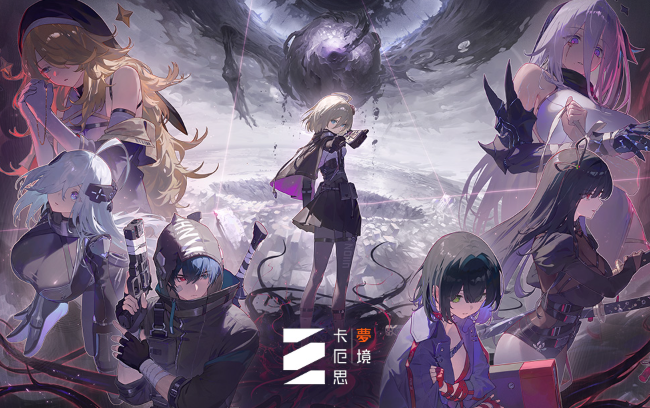
1. Full Guide & New Player Beginner’s Tips for *Kaer's Dream* (2026)
2. Game Background & Core Mechanics
Players take on the role of the captain of the “Dream Ship”, leading their combatants to explore areas corrupted by “Khaos”. The story has a strong post-apocalyptic sci-fi vibe, but the core gameplay is a 3-person team roguelike card RPG: each turn is card-draw based, spending AP points to use attack, defense, enhancement, or special effect cards— it’s super strategic.
3. Roguelike Card System Breakdown
The most fun part of this game is that every time you enter a “Khaos” area, the same character’s deck can take on a totally different form. Along the way, you’ll get new cards, remove bad ones, upgrade existing ones, trigger special “Eureka” boost effects, and finally save your customized deck as a “save file” to take on extra-hard stages outside the main campaign. That means the same Hilde can be a totally different power level depending on who’s playing them.
4. Must-Know Tips for New Players
First tip for new players: NEVER level up all characters evenly! Prioritize a main damage dealer (main DPS), a support that can draw cards or boost damage, and a tank/healer to round out your team. Second key point: learn to “prune bad cards”. A deck with fewer cards isn’t weak— a deck that reliably draws your core cards is what makes you truly strong.
II. Combatant Introductions & Tier List
1. Full Combatant Roster (As of August 2026)
The playable combatants available in the August 2026 update include Adelheid, Amir, Arabella, Bairi, Cassius, Chizuru, Diana, Fei, Haru, Heidmarie, Hilde, Hugo, Kelon, Kalype, Lucas, Luke, Magner, Maribelle, Meiling, Mica, Nadja, Nia, Nein, Olga, Olaya, Owen, Rei, Leona, Lin, Rita, Selena, Sereniel, Tenebria, Tiphra, Teresa, Veronica, and Yuki, among others.
2. T0 & T1 Character Tier List
Based on the August 2026 game’s hard stage requirements, seasonal deck restrictions, and general usability, my personal T0 tier is Arabella, Tenebria, Heidmarie, Sereniel, Veronica; T1 tier includes Hilde, Adelheid, Diana, Rita, Tiphra, Nein, Nadja, Hugo, Meiling, Leona, Nia, Mica, Rei.
However, character tiering in *卡厄思夢境* is way more fluid than in typical mobile games— because the quality of your save files and deck builds makes a huge difference in how useful each character is. The latest Japanese player-voted tier list also puts characters like Arabella, Sereniel, and Heidmarie at the very top.
3. Recommended Characters for New Players
For total newbies, prioritize leveling up ultra-versatile supports like Mica and Rei, then pair them with the strong main DPS you pull. Of course, if you get top-tier characters like Hilde, Heidmarie, Sereniel, or Arabella, your game experience will be way smoother, but not having them doesn’t mean your account is unplayable.
III. Hilde Power Analysis & Build Guide
1. Hilde’s Role & Skills
Hilde is a Ranger-type character of the Instinct attribute. Her most unique trait isn’t a single high-damage card— it’s her entire deck built around “Tracking Arrow”, which lets her loop her damage output at high speed. She can not only draw extra cards and add bonus attacks, but also use “Ionization” to apply damage boosts to enemies. Once her deck is fully built, her per-turn damage is non-stop, like a fully automatic machine gun.
2. Tracking Arrow and Ability Card Drawing Mechanic
Hilda's "Quiver Load" skill adds Tracking Arrow cards to your deck. Whenever a Tracking Arrow lands in your hand, it triggers automatically to deal damage and draws an extra card. It doesn't take up deck space, keeps your deck running smoothly, and makes your damage output way more consistent.
Another core mechanic is "Focus Fire" — it stacks charges every time an ally attacks, then lets you unleash massive burst damage all at once. That's why Hilda pairs so well with high-frequency attack characters; her damage output is insane together.
3. Eureka! & Memory Shard Synergy
Hilda works best with 4 pieces of "Battlefield Evolution" + 2 pieces of "Black Wing" / "Enforcer" sets right now. The Battlefield Evolution set gives extra attacks, generates attack cards, and draws cards, slowly stacking Critical Damage — which fits perfectly with her arrow-spamming playstyle. If your Critical Rate is low, swap in Black Wing set to fill the stats gap.
Prioritize solid Attack stats first. Once your Critical Rate is high enough, switch to Enforcer set to boost Critical Damage even more.
IV. Isabella (Kael's Dreamland) Play Guide & Team Comps
A. Isabella's Cracking Mechanic Breakdown
Isabella is an Instinct-type Duelist introduced in Season 4, and her whole kit revolves around the "Cracking" effect. Cracking stacks really high, usually deals damage automatically at the end of the turn — but you can also manually trigger it early with skills. Every time you trigger it, the stack count drops, so don't rush to pop it the second it's available; time it right.
B. Cracking Spread & Trigger Playstyle
The "Cracking Spread" effect only applies to specific enemies — it boosts Isabella's Cracking damage on that target, and adds extra stacks when allies trigger Cracking. For Boss fights, stack up debuffs like Cracking and Vulnerability first, then use "Void Proclamation" and "Abusive Bond" to trigger them all at once for way bigger damage.
C. Memory Shard & Team Comps
The most reliable setup is 4 pieces of "Bloody Thorns" + 2 Enforcer items (or Black Wing). Bloody Thorns was made specifically for Cracking play: it boosts Critical Damage when you stack Cracking, and when you apply a bunch of Cracking at once, it amplifies Critical Hits for DoT too. For teams, go with Isabella + Hilda + Theophyla / Nadja: Hilda handles high-frequency Tracking Arrow damage and applying debuffs, while Isabella blasts all Cracking stacks at once.
V. Renoah & Beryl (Kael's Dreamland) Character Guides
A. Renoah's Skills & Role Breakdown
Renoah is a Void-type Hunter, her damage is all about single-target attacks, bullet effects, and Criticals. She's not the easiest core damage dealer to pick up at first — not something you can just jump into casually — but once your deck runs smoothly, her consecutive bullet damage is insane. A common build is 4 pieces of 1-Cost Critical Damage set, plus an Enforcer item for extra utility.
B. Beryl's Damage Rotation Breakdown
Even though Beryl's only 4 stars, she's a super reliable Justice-type Ranger. Her playstyle is all about "build up then burst" — once your hand, mana, and key cards are set up right, she can drop insane burst damage in a single turn.
C. Team Comps for Both Characters
Both of these are damage-focused, so don't just slap them together and call it a team. For the third spot, pick characters like Cassius, Mika, or Rey that can draw cards, add AP (Action Points), or keep the team alive. If you don't, you'll end up with all three fighting over cards and clogging your whole deck.
VI. Serenia & Chizuru (Kael's Dreamland) Character Picks
A. Serenia's Support Abilities Breakdown
A lot of players write Sereniel as "Sericia", but the traditional Chinese community uses Serenia more these days. She's not your typical support — she's an Instinct-type Hunter focused on high-frequency damage, looping between Tracking Lasers, Defense Break, and Afterimage effects. Once your deck's built right, she clears waves super fast.
B. Chizuru's Damage & Control Skills
Chizuru is a really unique Void-type damage dealer. Her "Curse Bind" skill lets allies' attacks build up "Will-o'-the-Wisp", which makes your core card "Moon Shadow" come out. When playing Chizuru, don't just focus on single-card damage — prioritize adding multi-hit attacks, thinning your deck, and lowering the cost of key cards.
C. Character Synergies & Team Building
Chizuru pairs well with low-cost, multi-hit allies like Yuki and Rey, plus a card-drawing role to round things out. Serenia works better with allies like Selena and Hugo that can go ham on high-frequency attacks or Defense Break effects.
VII. Karthus' Dreamscape Card System & Battle Mechanics
A. Card Types & Effects Overview
Cards in this game are mainly categorized into Attack, Skill, Enhancement, and various Generated cards. When playing actual battles, don’t just fixate on damage multipliers—sometimes a 0-cost functional card that lets you draw 1 card is way more useful than an Attack card with 300% damage!
B. Draw System & Deck Management
The most frustrating part of any battle is when your deck is full but there’s not a single usable card right now. That’s why removing excess Basic cards, keeping core cards, and controlling the number of Generated cards are super important. For deep players, the most time-consuming part isn’t fighting Bosses—it’s making your deck as clean as possible.
C. Trigger Cards & Synergy Mechanics
Trigger Cards usually activate automatically or have priority at specific timings. Many deck builds even pair with equipment to let Trigger Cards activate repeatedly. As for Synergy effects, they trigger automatically when specific conditions are met (like moving or drawing a card), with Hild’s Tracking Arrow being the classic example.
VIII. Karthus' Dreamscape 3-Member Team & Skill Combos
A. Roles: Damage, Tank, Healer
The most reliable team build for new players is "Core Damage + Support + Survival Role". You don’t have to stick strictly to the traditional "Damage, Tank, Healer" setup—many Vanguard characters can deal damage on their own, and Control-type characters might also cover healing, drawing cards, or AP recovery.
B. Skill Chains & Combo Tips
A really good team is built so that "when one character plays a card, the other two benefit". For example, Hild’s repeated Tracking Arrows trigger extra attacks, and Arabella can use her teammates’ attacks to detonate Rift damage. This kind of mutually-triggering combo is what makes high-scoring teams work.
C. Battle Rhythm & Morale Management
Morale is mainly a buff that boosts damage, while characters’ "Stress" is another separate system. For high-difficulty Karthus stages, don’t just rush for damage—if Stress gets too high, your Operatives will panic, messing up your exploration rhythm later. Events that heal, add shields, or lower Stress are sometimes way more useful than grabbing an extra Attack card.
IX. Karthus' Dreamscape Spark System Deep Dive
A. Spark Effects & Choices
Sparks bring all kinds of changes to a character’s original cards: some reduce cost, some let you draw to filter your deck, some turn into multi-hit attacks, and some even completely change how you build your whole deck. On top of that, there are rarer, more valuable "Divine Sparks" waiting to unlock.
B. Spark Recommendations by Character
For Hild, prioritize Sparks that let you draw cards and boost her Tracking Arrow cycle. For Arabella, go for effects related to Rift, drawing your own cards, detonation, or cost reduction. For Qianhe, prioritize Sparks tied to Moon Shadow, Will-o’-the-Wisp, cost reduction, and active-trigger effects.
C. Spark Combo Strategies
Don’t assume every "glowing gold" Spark is automatically great! Always ask: "Will this effect make my deck run smoother?" If the answer is no, even the fanciest Spark could be a dead card that clogs your deck.
X. Karthus' Dreamscape Memory Shards & Build Guide
A. Memory Shard Effects Breakdown
Memory Shards are core gear for leveling characters outside battles. Each Operative can equip up to 6, and both main and sub stats directly impact their stats. For Damage characters, prioritize stacking Crit Rate, Crit Damage, Attack Power, and Elemental Damage. For Support characters, adjust gear based on Defense, HP, and Willpower regeneration needs.
B. Evolved Battlefield & Crimson Thorns
The Memory Shard officially named "Evolved Battlefield" is perfect for characters like Hild, who focus on frequent draws, generating attacks, and extra attacks. "Crimson Thorns" is tailor-made for the Rift system, so Arabella will use it super well.
C. Enforcer’s Gear & Blackwing
"Enforcer’s Gear" gives Crit Damage, and "Blackwing" provides Attack Power boosts—both are extremely versatile 2-piece sets. If new players can’t get their desired 4-piece set, prioritize a "2+2+2" mix with good stats; it’s usually more stable in practice.
XI. Karthus' Dreamscape Team Comps & Recommendations
A. Main Team Comp Types Overview
Right now, main team comp strategies in the game are roughly split into High-Frequency Attacks, Rift DoT, Bullet Cycles, Summon/Extra Attacks, Break Damage Burst, and types focused on automatic Active card triggers.
B. Instinct Attribute Team Build
The selection of Instinct Attribute teams currently
It’s super flexible too—Hilda, Arabella, and Serenel can all be your team’s core carry! Pair them with Naja, Nia, or other control-focused characters to help draw cards and boost your team’s survival.
C. Ranger & Duelist Team Comps
Rangers are generally great at multi-attacks and card cycling, while Duelists focus more on burst damage and status triggering. A classic example: Hilda pairs with Arabella—Hilda shoots nonstop to stack status effects, and Arabella detonates the Great Crack at the end to deal massive damage.
XII. Cairth Dream Companion System & Companion Recommendations
A. Companion System Mechanics Breakdown
Every combatant can equip a unique Companion, which offers stat boosts, passive effects, and active support abilities. When new characters launch, their matching exclusive Companion drops at the same time—they work almost like the character’s "signature weapon" in function.
B. Companion Selection & Pairing
Don’t just slap a 5-star Companion on your team right away! First confirm if its class fits your core team, then check if its passive can actually trigger reliably. Hilda’s exclusive Companion Yuni adds Attack, extra damage, and Crit Rate—way more useful than cramming any random high-star Companion into your team.
C. Companion Enhancement & Training
Early-game Companion leveling and ascension give insanely high returns, and Companion equipment can even be transferred between them. Instead of wasting resources leveling 10 random combatants, focus on training 1-2 core Companions—it’s way more cost-effective. Also, don’t rush to consume duplicate 5-star Companions! Keep 1 copy of general-use ones for backup; sometimes they’re even more valuable than their character counterparts.
XIII. Cairth Dream Dual-Track Development System Analysis
A. On-Stage Deckbuilding & Off-Stage Progression
This dual-track development is the game’s core concept: For on-stage Cairth levels, you need to farm cards, trigger Flicker of Insight, collect gear, and finally save. For off-stage progression, you boost characters’ base stats via their level, Potential, Self-Realization, Memory Shards, and Companions.
B. Character Progression Priority Order
My personal recommended priority order is: Character Level & Ascension > Main Carry’s Memory Shards > Key Potentials > Companions > High-Quality Saves > Self-Realization. Also, don’t dump all materials to max level a new character the second you pull them—wait until you’re sure you know how to play their playstyle first.
C. Resource Allocation Strategy
Here’s a solid way to split your resources: First, build a team that can handle simulated battles and daily levels. Then make your first practical save, and only then go after the so-called "god-tier Flicker of Insight". Many new players rush to farm perfect saves at the start, but their characters’ base stats are too low, making even daily Cairth levels a total pain—they end up stuck anyway.
XIV. Cairth Dream Galaxy Disaster & Season Updates
A. Galaxy Disaster Season Introduction
Galaxy Disaster is a long-term season content. Every season brings exclusive stories, Cairth maps, combatants, Companions, and new deckbuilding mechanics.
B. Season Rewards & Challenge Content
Season 4 adds new story content, plus challenges like Kaleidoscope Hatchery and The Great Crack. Unlike regular map progression, The Great Crack isn’t just about clearing stages—it values damage efficiency, understanding enemy mechanics, and your team’s deckbuilding strategy far more.
C. Update Info: Shards of Light & Claw Revamp
Season 4’s revamp titled "Shards of Light & Claw" officially launched on July 29, 2026. The first phase rolled out two new characters: Hilda and Yuni. On August 19, Chapter 2 "The Panther That Shows No Mercy" opened, adding Arabella, Lysinia, and a new Great Crack boss named Abark.
XV. Cairth Dream Dungeon Guides & Boss Fight Tips
A. Dungeon Stages & Difficulty Analysis
If you want to farm various resources regularly, prioritize simulated stages. Each has dedicated stages for character ascension, Potential strengthening, Companion training, and Memory Shard collection. If you just need to build a deck, head back to the main Cairth content. Only challenge high-modes like The Great Crack and Hyperdimensional Watershed to test your endgame strength.
B. Boss Mechanics & Counter Strategies
When fighting bosses, the most important thing is to figure out their Toughness, elemental weaknesses, attack tells, and special mechanics. Never burn all your AP just to spam damage—you might not even have a defense shield ready for the next turn, leaving you totally on the back foot. Even if your team can break Toughness fast, save your burst windows. Hold high-multiplier cards until after breaking Toughness for way better damage returns.
C. High-Difficulty Clear Tips to Share
The key to mastering tough dungeons is cutting out unnecessary moves. You should remove useless cards from your deck, shorten your draw cycle, and make good use of the auto-effects of Induction and Trigger cards—turn every single AP point into either solid damage or survivability. If you keep getting stuck on a Boss, check your deck structure first instead of immediately blaming your character’s level. Tweaking your deck is the real key to breaking through, okay?
What makes 《Kase's Dream》 so addictive is that there’s never a single "best character tier list" that’s always right. Take Hilda for example—some players build her as a pure damage core focused on tracking arrows, others use her to help Elarabella apply Crack debuffs, and some even use her just to speed up card draws. Characters like Chizuru, Renoa, and even many lower-ranked ones can deal insane damage if paired with the right deck—they’re every bit as strong as T0 tier characters.
If you’re a new player wanting to avoid mistakes, my top advice is to first build a solid three-person team. Once you’ve sorted out character levels, Memory Shards, and partner resources, start learning skills like deck removal, Spark, and save file building. When you really understand mechanics like AP, draw cycles, Trigger, Induction, Crack, and Break Toughness, you’ll realize that the real "growth" in 《Kase's Dream》 isn’t just pumping up power numbers—it’s turning your messy deck into a well-oiled battle machine that works exactly how you want. That sense of accomplishment is totally worth exploring.