The Interwoven Melodies 2026 Beginner's Guide: Strum Character Builds for New Players
If you’re a long-time BanG Dream! fan, Interwoven Melodies might give you your first big misunderstanding—you might think it’s just Girls Band Party! with a whole new cast of characters starting fresh. But in reality, the core gameplay directions of these two games are very different: BanG Dream! Interwoven Melodies brings together MyGO!!!!!, Ave Mujica, Mugen MewType, and two brand-new bands, millsage and Dumb Rock!. It not only puts all members on the same stage to perform together, but also adds various new systems like "Live Performance", cinematic-level storylines, and the option to enjoy up to 5-player co-op.
As of the end of August 2026, Interwoven Melodies is still in the global pre-registration and testing phase. Details like the full official card pool, character skill stats, event rules, and more still have room for adjustment. So this guide will focus on the gameplay officially released and confirmed in the test version—we will never make up unconfirmed info like made-up character strengths or gacha rates. For players preparing to jump in when the server launches, the first things to figure out are note settings, Live Performance, the status of the 25 characters, and how to plan your early-game resources.
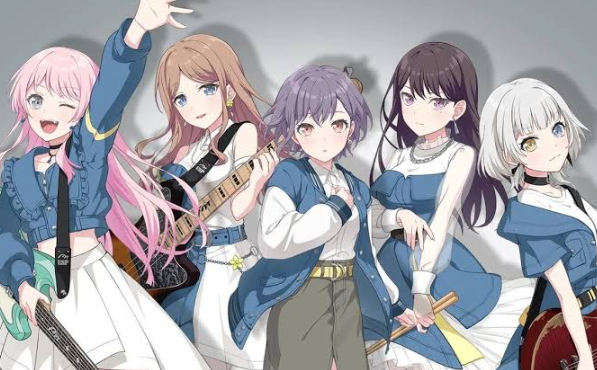
I. BanG Dream! Interwoven Melodies Complete Walkthrough & Beginner’s Guide 2026
A. Game Background & Core Gameplay Analysis
BanG Dream! Interwoven Melodies is a mobile game combining "rhythm performance + adventure" gameplay, supporting both iOS and Android. It’s free-to-play with in-app purchases available. The story centers on the two bands MyGO!!!!! and Ave Mujica, and later adds Mugen MewType, millsage, and Dumb Rock!—total of 5 bands and 25 members. The core rhythm controls are still the familiar TAP, SLIDE, FLICK, but when you hit certain sections during a song, a special Live segment will trigger, making every song not just a straight playthrough of a fixed chart.
B. Key Features of the 2026 Latest Version
The most talked-about updates for players in 2026 are "Live Performance", "Assist Mode", and the cinematic-level storytelling system. The Live Performance is split into multiple gameplay types: COMBO Live focuses on not breaking combos, JUST Live competes for judgment accuracy, and LUCK Live adds random elements. As for the story, it uses a lot of Live2D expressions, camera movements, and animated scenes—characters don’t just stand around reciting lines.
C. Essential Beginner Tips for Starting Out
When you first launch the game, don’t rush to pull gacha—adjusting your game settings is key. Note speed, judgment offset, and display mode all directly affect how smooth your play feels. I suggest playing a few songs at a note speed you can fully read clearly. Never follow other pros who use a speed over 10 just because they do—you’ll end up getting used to bad habits. The worst thing for new rhythm game players isn’t slow speed, it’s building muscle memory for wrong rhythms before your hands adjust, which is super hard to fix later.
II. In-Depth Analysis of Interwoven Melodies’ Live Performance System
A. Explanation of Live Performance Game Mechanics
Live Performance is Interwoven Melodies’ most recognizable core feature. When you play through a certain part of a song, you’ll enter the Live segment, which is split into different modes: COMBO Live values consistent combos, JUST Live competes for how many perfect judgments you get, and LUCK Live has random elements. This also makes the same song more like a party game in multiplayer, not just racing for the final high score.
B. Note Speed & Judgment Adjustment Tips
There’s no "standard answer" for note speed. If it’s too low, notes will cluster together and be hard to see; if it’s too high, notes will drop to the bottom before your eyes can catch them. New players can start with a mid-range speed, adjust by around 0.5 each time, and test the feel with songs you know well. Judgment offset settings are actually more important: if you feel like you’re tapping on beat but the game keeps marking you early or late, don’t force your hand to adjust—prioritize calibrating your judgment instead.
C. Recommendations for Using Assist Mode & Practice Mode
Assist Mode is perfect for new players who are new to rhythm games. When you turn it on, judgments are more lenient, and notes that would normally need a FLICK swipe will automatically complete as long as you tap them correctly. My recommendation isn’t to keep Assist Mode on forever—use it to first
Get familiar with the song first. Once you can consistently get a Full Combo (FC) on Normal difficulty, you can start turning off assist features little by little. If you keep failing a certain section of the song, go straight to Practice Mode and focus only on that segment—it’s way more efficient than replaying the whole song every time.
Ⅲ. Interwoven Chapters Character Introduction & Practical Team Building Tips
A. Full Info on All 25 Characters
MyGO!!!!! has 5 members: Tomori Takamatsu, Anon Chihaya, Rana Kaname, Soyo Nagasaki, and Taki Shiina. Ave Mujica’s members are Hina Hikawa / Doloris, Mutsumi Wakaba / Mortis, Uika Misumi / Timoris, Wakaba Yume / Amoris, and Sakiko Togawa / Oblivionis. Mugen Dai MewType consists of Arare Nakacho, Nono Miyagawa, Ritsu Minezuki, Fuju Fujisato, and Yuno Sengoku.
Band Roster: Millsage has 5 members: Hotaru Shiomiya, Natsume Izawa, Nagi Kotohira, Mahiro Hamazaki, and Tomoka Izumi. Dumb Rock!’s 5 members are Tsubasa Sugahara, Kokoro Baba, Tasuku Yagura, Chie Umezono, and Nezu Shion.
B. The 5 Bands’ Styles & Vibes
MyGO!!!!! is all about emotional, raw rock. Ave Mujica leans into dark, theatrical vibes. Mugen Dai MewType blends virtual band and electronic elements, so their songs tend to be bouncier and more upbeat. Millsage gives off soft, refreshing first impressions. Dumb Rock! nails that chaotic, close-knit group energy like a real family. When picking your main band, don’t just go for the strongest—you’ll be spending tons of time listening to their songs and playing through their stories, so pick one you enjoy too.
C. Must-Train Characters for New Players
Until the full game is out and we get the final, official skill details, I don’t recommend forcing a "T0 tier list" right away. A safer bet for launch is to pick the band you use the most, and level up 3 core characters from that band. Don’t spread your resources evenly across all 25 characters, though. If a card has practical skills like score boosts, judgment improvements, or combo protection, those are super high priority for new players.
Ⅳ. Interwoven Chapters: MyGO Band Character Guide
A. Tomori Takamatsu Skill Breakdown
Tomori Takamatsu is MyGO!!!!!’s lead vocalist and the emotional core of the whole story. If the full game keeps the card design from the beta, she’ll be one of the best core members for your MyGO team. No matter how the final numbers get adjusted, her story and song unlocks are top priority.
B. Anon Chihaya Level-Up Tips
Anon Chihaya is one of the easiest characters for new players to get to know, and her interactions with Tomori are basically the key entry point to MyGO!’s story. When you get a high-rarity Anon card early on, it’s safe to dump resources into it—but don’t blow all your materials at once. Leave some resources for your third core team member.
C. MyGO Team Comps
If the game requires a 3-member team, I’d prioritize the formula: 1 score core + 1 judgment/combo support + 1 secondary damage dealer. Besides Tomori and Anon, pick cards from Rana, Soyo, or Taki whose skills complement each other—you don’t need to force-fit 3 max-rarity cards.
Ⅴ. Interwoven Chapters: In-Depth Ave Mujica Guide
A. Sakiko Togawa Character Role
Sakiko Togawa is Ave Mujica’s keyboardist, code name Oblivionis, and a key figure in how the group was formed and the story unfolds. If you love digging into lore, prioritize raising Sakiko’s cards—most of Ave Mujica’s character conflicts revolve around her.
B. Mutsumi Wakaba Skills & Stats
Mutsumi Wakaba, code name Mortis, is the guitarist of Ave Mujica. A big part of her charm comes from her character’s psychological depth and anime story beats, so even if her final skill isn’t a pure damage role, her collection and story value are still super high. When leveling her up, just adjust her position (main or support team) based on her actual card skills.
C. Ave Mujica Recommendation
If you love hard rhythm games, dark rock, and intense stage performances, Ave Mujica is perfect as your main band. Songs like KiLLKiSS have such a tense rhythm, making them great for practicing Hard Flick sections.
VI. Interwoven Melodies Team Composition & Lineup Guide
A. 3-Character Team Building Principles
For a 3-character team, the last thing you want is all three cards overlapping in function. My go-to move is to pick a main core card with the highest score first, then add a card that supports either timing judgments or combos, and finally adjust the third slot based on the song’s attribute, event bonuses, or team needs.
B. Link Skill & Core Skill Combinations
If a character’s skills have team bonuses, condition-based damage boosts, or judgment link effects, prioritize putting together combinations that can trigger these links. In rhythm games, just stacking high-rarity cards isn’t the strongest move—skill trigger timing and song length will also affect how much score you actually pull off.
C. Recommended "Strongest Lineup" List
Before the game launches, there’s no reliable fixed "strong 3-person team" yet. The safer bet is to level up one team for MyGO!!!!! and another for Ave Mujica separately. Once the official gacha pool skills are revealed, adjust your lineup based on event bonuses and high-score skills. For F2P players, a fully leveled main team is way more useful than half-baked teams for five different groups.
VII. Interwoven Melodies Character Growth & Resource Allocation Guide
A. Character Leveling Priority Order
Your priority should always be the three characters you actually use for playing songs. Next are event bonus characters, and finally, collectible ones. Don’t spread your resources evenly just because you like every character, leaving them all half-leveled—this is the easiest way to get resource-stuck in the early game.
B. Resource Allocation Strategies & Planning
Focus regular materials on your main team first. Save advanced limit-break materials for high-rarity and long-term core characters. During events that offer extra rewards for specific characters, you can temporarily shift resources to the event team, but make sure to go back to leveling your main characters once the event ends.
C. Content To Be Added
We’ll add more relevant content later.
Level Cap Break Tips
Once a character hits the current level cap, you’ll mostly need extra materials to break through it. For the official version, follow the in-game numbers on the launch day for exact required items—though the core principle stays the same: don’t break all characters just to fill your collection, focus on raising the level cap of your high-score team first, that’s the right move.
VIII. Interwoven Melodies Card System & Gacha Guide
A. Card Rarity & Strength Analysis
From the beta version to the official promotional materials, we’ve already seen SR-level card designs. What players care most about, of course, are high-rarity cards like 3-star and 4-star ones. But don’t forget: in rhythm games, a card’s value isn’t just about its star count. For example, two 4-star cards can be different—one is for maxing score, another is for stable judgments, some are for boosting survivability (HP/stability type), etc.
B. Gacha Pool Rates & Pity Rules
As of the end of August 2026, the global official game’s full gacha mechanism and final pity rules don’t need to be finalized yet. Once the game launches, make sure to read the gacha pool details carefully: confirm the 4-star drop rate, the rate of the featured card (the Pick Up one), and whether the pity system carries over between pools. After checking these, decide if you want to spend a lot of resources on pulls—this is the safer play.
C. 3-Star & 4-Star Character Selection Tips
If a 3-star card’s skills perfectly fit your team’s needs, it’s way better than a 4-star card whose skills don’t match your team. For new players, when picking cards early on, prioritize if the skill fits your team first, then the character, and finally the star count. Once you’re aiming for high scores on the leaderboard, you can slowly swap lower-star cards with the same role for higher-star versions.
IX. Interwoven Melodies Multiplayer Co-op Mode Guide
A. 5-Player Co-op Mode Introduction
Interwoven Melodies lets up to 5 players play together at once, which is one of the core highlights of this game’s "party-style rhythm game" focus. As you and others team up to clear stages and songs, you might even run into "Live Battles" that require everyone to work together. Compared to playing alone, multiplayer mode adds more competition and interaction—way more fun and lively.
B. Real-Time Co-op Team Play Tips
The most important thing about multiplayer co-op is that everyone doesn’t have to force themselves to pick the hardest difficulty—instead, focus on clearing stages consistently. If you can only handle about 70% of an EXPERT difficulty song, still
Don’t force yourself to pick EXPERT difficulty just for bragging rights—for your whole team’s overall performance, choosing NORMAL or HARD is a way better call. What actually matters is nailing a Full Combo first. Focus on not breaking your combo, then you can slowly chase high ranks later.
C. Multiplayer Rewards & Strategies
The official reward details will be based on the launch day’s event announcements, but cooperative multiplayer modes are usually key for grinding daily materials and event resources. If you want to farm resources efficiently, build a team that can consistently hold good scores before jumping into co-op—it’s way more effective and smoother than just using a deck for collection and mashing your way through.
X. Harmony of Confluence Event Guide & Coupon Code List
A. Regular Event Types & Gameplay
After the game’s official launch, expect various types of events centered around five bands—including story events, song challenge events, featured card banners, and login bonus events. Since BanG Dream! is already a huge multi-media franchise, events tied to the anime, live concerts, and new singles are also worth joining for players.
B. Free Rewards & Coupon Code Acquisition
Right now, there are no confirmed permanent universal coupon codes that will work after launch, so don’t trust anyone online claiming they have “permanent coupon codes”. The best places to get free resources are official login bonuses, pre-registration rewards, stream commemorations, and events held on official communities—those are the reliable sources.
C. Pre-Registration Rewards & 20 Pull Guide
Once the game’s global pre-reg hits the required number, the official pre-register event has about 20 pulls worth of Star Gems as a key reward. After the game launches, don’t take the gems from your mailbox and immediately pull on the standard banner—check what’s in the limited-time character or featured banner first before deciding to pull.
XI. Harmony of Confluence Story Chapters & Full Voiceover Deep Dive
A. Cinematic Story System Intro
The game’s story is fully voiced, and the characters’ Live2D animations are way more dynamic and vivid than traditional static art. The camera can move around, and characters’ eye lines and expressions change with the story’s vibe—you can even see details from over three characters in one scene, making the story super cinematic.
B. Story Chapter Unlock Methods
Stories from MyGO!!!!!, Ave Mujica, and Yume Mugen Dai Mewtype will extend from the familiar IP lore; new teams millsage and Dumb Rock! will have all new stories. Don’t skip story chapters as a new player—many chapters are actually linked to song unlocks, character content, and even in-game resource unlocks.
C. Full Voice Story Experience
If you’re a BanG Dream! anime fan, I actually recommend prioritizing the story experience. The charm of MyGO!!!!! and Ave Mujica isn’t about which character is the strongest—it’s the bonds and interactions between characters that are hard to put into words. Full voiceovers plus cinematic camera work are some of the biggest highlights of this new game.
XII. Harmony of Confluence Song List & Note Difficulty Analysis
A. Featured Song List
The official announced tracks include MyGO!!!!!’s “Meisei Kyou”, “Haru Hi Kage”, Ave Mujica’s “KiLLKiSS”, Yume Mugen Dai Mewtype’s “Yume Mugen Mousou Sekai”, millsage’s “Kishi Kaisen”, Dumb Rock!’s “Homi Tai!” and more. Original songs and popular covers will be added to the full version later.
B. Note Difficulty Tiers & Recommendations
New players who have never touched a rhythm game before should start with low-difficulty songs to build their timing and judgment sense. Once you can consistently get Full Combos, challenge higher difficulty songs. Veteran rhythm game players can jump right into HARD or above, but if you hit “Excitement Sections”, practice them a few times first—these sections have very different rhythm logic from regular static notes, so rushing through will easily break your combo.
C. High Score Playing Tips
To get high scores, the key isn’t how fast your hands are—it’s reducing judgment errors. Keep your combo going, maximize the number of JUST judgments, and combine with your team’s character skills, and your score will jump up. If you hit a tricky section, don’t rush to restart—lower the note speed, adjust judgment offset, or switch to practice mode to grind it out slowly; this is way more efficient.
XIII. Harmony of Confluence PC Version
Full Guide for Emulator & Mobile Play
Right now, Interwoven Melodies is only available on iOS and Android mobile platforms—there’s no native Windows PC version yet. If you want to play on your computer, you can use an Android emulator, and MuMuPlayer is a great option. Once it’s installed, log in with your Google Play account, search for the game name, and you’re good to download and install it.
A. MuMuPlayer Emulator Setup
When playing with a PC emulator, it’s recommended to turn on the high frame rate mode first, and make sure V-sync and audio latency are working properly—after all, rhythm games hate it when the visuals are smooth but the audio is off by half a beat! So the first thing you must do after installing the game is judgment calibration, to adjust the time difference between sound and visuals to what feels most natural for you.
B. PC Installation & Operation Tutorial
The keyboard mapping feature lets you assign different lanes to keys, but the feel of SLIDE (swipe) and FLICK (tap-swipe) actions isn’t always as smooth as touch controls. If you’re serious about tackling hard difficulty stages, we still recommend playing on a phone or tablet; PC emulators are better for following the story, leveling up cards, or doing daily song clears and tasks.
C. Keyboard & Controller Optimization
On your first day in the game, make sure to adjust note speed, judgment offset, Live2D animation toggle, MV mode, or lightweight display settings first, then decide if you want to turn on assist mode. If your phone has average performance, it’s better to use lightweight mode—don’t sacrifice frame rate for better visuals, because lag during play will mess up your rhythm judgments and that’s no fun.
XIV. Beginner’s Start & Early Progress Guide for Interwoven Melodies
A. Initial Settings & Note Speed Adjustment
Don’t rush to spend your pre-registration stones and login rewards—wait until you pull a main DPS card, then focus on leveling up this core trio first. Unlock story chapters, finish daily tasks, and jump into multiplayer mode as soon as you can. For characters you just want to collect, you can level them up slowly once your resources are stable.
B. Early Resource Investment Tips
My recommended leveling order is: Main high-score cards > Judgment or Combo support cards > Third core character > Event boost characters > Other collection cards. During the first week of launch, building a solid main team that can actually clear songs is way more useful than leveling one card from every band.
C. Core Team Leveling Order
XV. Common Questions & FAQ for Interwoven Melodies
A. Beginner’s Frequently Asked Questions
Is Interwoven Melodies a sequel to Girls Band Party!? Nope—it’s a brand-new mobile rhythm game from the BanG Dream! project, and it doesn’t replace the original Garupa. The game has a different character lineup, with core bands including MyGO!!!!!, Ave Mujica, Yume Mugen MewType, and two other new bands.
Do I have to be good at rhythm games to start playing? Absolutely not! Assist mode lowers the judgment pressure, and FLICK actions can be simplified to just taps—total newbies can take their time to learn.
B. Game System Q&A
Does the game support 5-player co-op? You bet! The Live Performance mode is all about the fun of playing with up to 5 people. Can I play it on PC? Right now, there’s no official native PC version, but you can run it via Android emulators. Are 4-star cards always the best? Not at all—card skills and team synergy are just as important as their rarity.
C. Version Updates & Event Info
As of the end of August 2026, Interwoven Melodies is still in the pre-registration and post-beta adjustment phase. The App Store page currently lists the expected release as December 2026, but the official launch date will be subject to announcements from the team. Gacha rates, pity systems, first-event details, and some growth values might still be adjusted before full launch, so we recommend checking the in-game announcements again once the game goes live.
What I’m most excited about for BanG Dream! Interwoven Melodies isn’t “another BanG Dream! rhythm game to pull cards on”—it’s that the game actually tries to integrate the concert vibes of BanG Dream! into the gameplay. The three Live Performance modes: COMBO, JUST, and LUCK, plus the setup for up to 5 people on stage, give the familiar falling-note rhythm gameplay a fresh, energetic twist. If you got into BanG Dream! because of the MyGO!!!!! or Ave Mujica anime, you can start with your favorite band right here; if you’ve never touched BanG Dream! before, no need to rush through all the old content—each of the five bands has their own separate story entry point. First things first: adjust note speed and judgment to what feels natural, turn on assist mode if you need it, don’t blow all your stones on gacha right away, and focus on leveling your core trio team first. Once you’ve got the basics down, you can go take on hard difficulty charts and 5-player Live performances.
The really fun parts of Interwoven Melodies will start showing up gradually, you know.