Ahsola: Star Oath – Full Launch Guide: Worldview & Combat Details
"Astrae Oratio" is an anime-style RPG I’ve been hyped for lately. Unlike most games that drop you straight into another generic isekai world, this one blends 1889 Tokyo, magic, government agencies, and urban legends all together. Instead of being the chosen hero with superpowers, you play as a regular, magic-less civil servant called the "Section Chief" who gets weirdly reassigned to a special district office that deals with mage-related issues. This whole concept of a government worker handling supernatural events has that unique, fresh fantasy game vibe. The devs confirmed the game is developed by Dynamis One and published by NC, and it was originally announced under the name Project AT before getting its current title.
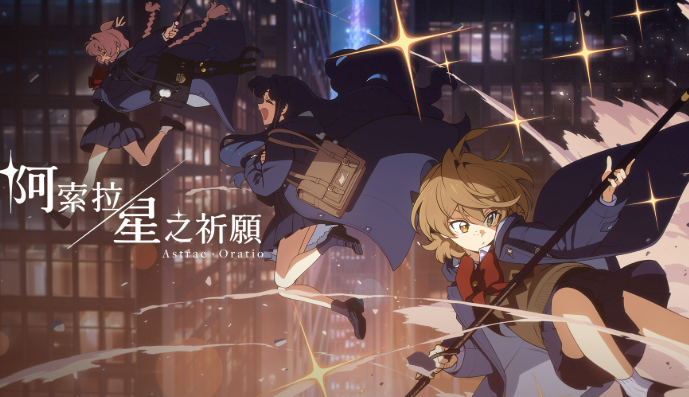
I. Astrae Oratio Game Introduction
A. What Is Astrae Oratio?
Astrae Oratio is the game’s official English title, and it’s labeled as a fresh fantasy anime-style RPG centered on "magic + administration." From the gameplay footage released so far, you can expect 3D character battles, story cutscenes, daily character interactions, and party building—this isn’t just a game where you stare at character art to progress the story.
B. Astrae Oratio & Project AT: Development Background
The game was first announced under the code name Project AT, and it only got its official title Astrae Oratio on April 30, 2026. The title has a "star prayer" vibe, which ties into the game’s worldbuilding where magic originated from humans making wishes to the stars.
C. NC & Dynamis One: Partnership Details
Development is handled by Dynamis One, while NC takes care of the game’s operations and publishing. Something worth noting for players is that the devs have been releasing updates super fast since May—they’ve been dropping worldbuilding info, character details, spin-off comics, PVs, closed beta test news, and event info nonstop.
D. Core Features of This Fresh Fantasy Anime-Style RPG
The thing that makes this game stand out isn’t just the "cute girls + magic" combo—it’s how magic is integrated into the administrative and legal systems. Mages each have their own territories, and when conflicts pop up, they might even resolve them with duel trials. You, as the Section Chief, are at the center of all these forces, coordinating to fix various issues.
II. Astrae Oratio Worldbuilding & Story Background
A. Urban Fantasy Set in Retro Tokyo
The story is set firmly in Tokyo in 1889. Trains, Western-style buildings, a mix of Western culture and traditional streets, plus the secret activities of mages, create a unique Meiji-era urban fantasy vibe that’s rare in gacha games.
B. Magic That’s Part of Daily Life
Magic in this world didn’t just pop up out of nowhere—it’s been around as long as human history. Modern magic is even influenced by the "land" mages live on and local lifestyles, so each district in Tokyo not only has different geography, but also totally unique local magic cultures.
C. The Story Starts With an Ordinary Civil Servant: The Section Chief
The Section Chief’s biggest trait is that he’s *super* ordinary—he’s not a mage, and he has no special chosen powers whatsoever. But the guy in charge, Heping An Deng’ai, randomly transfers him to the Special District Office, so instead of regular admin work, he’s dealing with papers about mages, territories, and supernatural events every day.
D. Main Story: Mages & City Incidents
The main story is set to unfold around magic-related incidents across Tokyo. Since the Section Chief can’t solve everything on his own without magic, he’ll need help from different mages—which creates a natural foundation for party building, faction alliances, and duel gameplay.
III. Astrae Oratio: Special District Office Setting
A. What Is the Special District Office?
The full name of the Special District Office is basically an admin agency that handles the magical sector, taking care of all admin and territory-related issues caused by mages. It’s not a magic school—it’s a *real* government department, no joke.
B. Key Duties of the Magical Admin Agency
Mages in Tokyo each have their own territories, so when there are territory conflicts, magic accidents, or faction disputes, someone has to handle the admin stuff. That’s what makes Astrae Oratio so fun—who knows, you might actually have to deal with a ton of paperwork before fighting a boss.
C. Relationship Between the Director and the Special Zone Chief
Kohaku Aoto is the head of the Special Zone Office, and also the Director’s direct superior—she’s the one who dragged the Director into this whole messy supernatural mess! She seems laid-back and mysterious, but she definitely knows things the Director has no clue about.
D. The Special Zone Office, Inner Cabinet, and Territory Setting
Beyond the Special Zone Office, the game’s lore also features the “Inner Cabinet,” which oversees parts of Tokyo’s magic world order, and...
The mage’s “Territory” setting is really unique—paired with characters like standard-bearers and Death Masks, the storylines centered around politics and mysterious forces are way more complex than your average school RPG.
IV. Asora: Wish Upon the Stars Lore Deep Dive
A. Mages’ Role in Modern Society
Mages aren’t totally cut off from the real world—they hide among regular civilians. Some are ordinary middle schoolers, others are rich heiresses, and a bunch belong to secret groups. Their daily lives and the magic world are basically overlapping nonstop.
B. Modern Magic & Special Ability Settings
The game’s official term for magic is “Human Dreams”—it’s all about wishes, hope, and prayers themselves. This setup ties every character’s abilities directly to their personal backstories, instead of just generic elements like fire, water, or lightning.
C. Hecate & Keres Related Settings
Hecate is considered the first mage, and the torch she holds symbolizes the key to crossing between the real world and the supernatural realm. The “Keres” mages use are an extension of this concept, also called the “Initiation Key.”
D. Key Elements Like Initiation Key, Torch, & Daggers
The Initiation Key lets mages enter the “Other Side” of the world, and Hecate’s dagger expands on the Artifact concept—this lets mages manifest their will and powerful magic. These elements will probably tie into actual in-game equipment or combat progression systems.
V. Main Character Introductions for Asora: Wish Upon the Stars
A. Kohaku Aoto Character Profile
Kohaku Aoto’s the head of the Special Zone Office, she’s super unpredictable, and her office is stuffed with all kinds of toys. Her relationship with the Director isn’t just boss-subordinate—she’s the core character you need to follow in the main story right now.
B. Eirin Tanaka Character Profile
Eirin Tanaka was just a regular Japanese middle schooler, with an Irish mom, until she found out she could use ancient mythic magic that’d been lost for ages. She does secret magic stuff with Ririai and Anna, and she’s the character that feels most like a “new mage growing up” right now.
C. Runa Mitsu Character Profile
Runa Mitsu’s a member of the Seiran Fan Club and the heiress to the Mitsu financial group. She didn’t grow up with that typical rich-kid upbringing—she still has memories of normal life mixed with her privileged status. That contrast should be a big highlight of her story.
D. Akina Aki Character Profile
Akina Aki’s part of the “Akina Urban Legend Research Institute” group, and the official character PV showed off her 3D combat moves. Just from the group name, you can tell her story will probably have tons of urban legends and supernatural events.
VI. Supporting Characters & Factions in Asora: Wish Upon the Stars
A. Anna Marie von Bartensberg
Anna’s a Viennese noble who currently lives above a flower shop in Tokyo. She, Eirin Tanaka, and Ririai form the “Harbor Girls Magic Club”—their school life and magic adventures are probably the more lighthearted storyline in the game.
B. Ririai, Kogetsu, & Special Zone Office Members
Ririai can use special magic tied to ancient shrine maidens. Kogetsu and “Dolls” are closely linked to the Special Zone Office, and a Doll even showed up in actual in-game combat footage—so the Special Zone’s got some serious firepower of its own.
C. Mayoi Kohikari & Ren Shiranui
Mayoi Kohikari’s the heiress to a big corporate family, and she uses expensive gems to cast magic. Ren Shiranui works as both a bodyguard and hitman for the Mitsu and Kohikari families, plus she’s friends with both girls—her combat role looks really promising.
D. Seiran Fan Club & Other Factions
Right now, besides the Seiran Fan Club, Harbor Girls Magic Club, and Akina Urban Legend Research Institute, there are also factions like the Inner Cabinet and Territory Management Committee. The game’s clearly not just centered on one school—they’re splitting Tokyo up into multiple magic faction storylines.
VII. Character Tier Lists & Progression Tips for Asora: Wish Upon the Stars
A. New Player Character Recommendations
As of August 7, 2026, the Closed Beta Test (CBT) hasn’t started yet, so there’s no reliable T0 character tier list out right now. New players should focus on character roles, skill costs, and team synergy—don’t just buy into random Tier Lists online thinking someone’s definitely the best.
From the actual in-game interface...
It's confirmed that this game has a team formation concept, so it's best to maintain a balance between main DPS, functional support, and survival roles at the start. A pure DPS team clears mobs fast, but they usually struggle hard in high-pressure battles.
C. Character Builds for Different Combat Scenarios
For normal story progression, prioritize AOE capabilities and movement efficiency. For duels or boss fights, single-target burst damage, defense-penetration abilities, and survivability matter more. If enemies have an action warning system, characters that can interrupt or defend are likely more valuable than those with just high raw stats.
D. Characters Worth Prioritizing in CBT
Since Eirin Tanaka, Runa Mitsu, and Akina Akitsu already have full combat footage, I’ll observe their skill rotations first after CBT opens before deciding who to main. At this stage, it’s not recommended to claim these three are definitely the strongest—after all, we’ll only know for sure after actual testing!
All three are rated Tier 0 in character strength rankings.
VIII. Combat System Guide for Astela: Wish of the Stars
A. Basic Combat Controls and Game Interface
From the released in-game footage, you can see characters fight as full 3D models, with a control UI, character portraits, and features like auto-battle and speed-up. Overall, this game is more of a command-based RPG that integrates an action resource system, rather than a traditional real-time action game.
B. Character Skills and Combat Roles
Each character fights using unique magic paired with Artifacts, with distinct attack patterns and animations. When leveling up characters, it’s recommended to check the practical functions of their skills first before focusing on stats, especially skills that can disrupt enemy action cycles—those have higher priority.
C. Team Formation and Character Synergy
From the in-game footage, a multi-character UI is already visible, so this game’s tactical core will likely revolve around character swaps, skill combos, and action resource management. New players are advised not to dump all resources into a single character—at least keep a full core team for leveling.
D. In-Game Combat Footage and Combat Features Analysis
Right now, the most noteworthy features for players are enemy action warnings and defense mechanisms. From the footage, this game’s combat isn’t the traditional “your team attacks all, then enemy attacks all” style—it’s more varied. The CBT will be the key moment to confirm the full combat rules.
IX. New Player Early Game Guide for Astela: Wish of the Stars
A. Early CBT Gameplay Flow
Since the CBT hasn’t started yet, there’s no real day-one early guide available. Once the game launches, prioritize the main story until you unlock team formation, character leveling, and daily features, then go back to do side quests. Don’t waste stamina on low-reward stages early on.
B. New Character and Team Selection
For a new player’s first team, focus on completeness rather than chasing all high-rarity characters. A main DPS clears areas, paired with allies that provide buffs, control, or survival support. As long as skills complement each other, it’s usually more stable than three high-rarity characters fighting alone.
C. Priority of Early Resource Usage
If the full version has multiple progression paths for breakthroughs, skills, and Artifacts, level up your characters and core skills first before investing heavily in equipment. Early-game gear swaps happen quickly, so chasing perfect stats too soon is usually a waste of resources.
D. Character Progression and Power Boost Directions
It’s recommended to focus on leveling 3 to 4 frequently used characters. Once your core team can clear stages consistently, expand to a second team. A common mistake in gacha RPGs is wanting to level every character you like—this leads to half-developed characters that underperform in actual battles.
X. Duel and Special Combat Gameplay for Astela: Wish of the Stars
A. Duel System Basic Rules
Duels aren’t just a game mode—they’re an official judicial process in the game’s lore. When mages have irreconcilable disputes, they settle them through a “Duel”.
B. Duel Trial Gameplay Introduction
The Duel Trial, also called Trial of Domination, has been a key dispute resolution system in mage society since the Fourth Era, so it will likely drive the main story and include high-difficulty battles.
C. Trial of Domination Related Settings
This system is really interesting because the player (the “Director”) isn’t just tasked with beating villains—they also have to resolve issues in the magic world like “who is right, who owns the territory”. The battles themselves are part of the legal process.
D. Combat Build Ideas for Different Characters
When facing high-damage enemies, prepare defense skills and control abilities. When there are many enemies, swap in AOE-focused characters; if there are
When you have clear intel on enemy actions, save your Action Points (AP) to counter their key skills instead of blowing all your resources mindlessly every turn.
XI. Daily Interactions & Story Features for Asura: Wish of the Star
A. Daily Interactions Between Directors and Characters
The character PV already shows interactions between players (as the Director) and the girls in casual settings, including scenes of them in regular clothes and swimsuits. This means the game’s character development isn’t just limited to main story battles—everyday interactions are also a huge part of the experience.
B. Character Personal Stories & Story Events
How Eirin Tanaka embraces her magical identity, Miona Mitsu’s family background, and why Akiaki Akin studies urban legends—these are all perfect for character personal story arcs, and they’re the parts I’m most excited to dive into.
C. Story Cutscene Features
The PV already features 3D story cutscenes, so character models aren’t just for combat. From what’s shown, Dynamis One clearly wants to use full 3D tech to make character expressions more lively and the world more immersive.
D. 4-Panel Comics & Worldbuilding Extensions
The official team keeps releasing 4-panel comics, character stickers, and setting docs to flesh out character relationships in a fun, relaxed way. As of late June, they’ve shared over a dozen comics—so there’s already plenty of everyday character content built up before the game even launches.
XII. CBT (Closed Beta Test) Guide for Asura: Wish of the Star
A. CBT Recruitment Period & Eligibility
The latest update confirms CBT recruitment is scheduled to run from August 19, 2026, to September 21, 2026
B. CBT Application & Download Process
The official team will announce the full CBT application process on their official X (formerly Twitter) account later, so don’t go clicking on random, untrusted CBT APK files right now. Wait until August 19, then apply directly through the official site or official social media channels—that’s the safest move.
C. Key Game Content Available in the CBT
The full extent of the CBT hasn’t been revealed yet, but they’ve already shared the battle system, main story line, character interaction mechanics, and several playable combat characters. Based on what’s out so far, the test will likely focus on how smooth the combat loop is, the feel of character progression, and the overall main story vibe.
D. CBT Player Launch Tips & Notes
When joining the CBT, don’t waste time blindly grinding for the leaderboard—instead, test out character skill sets, see how fast in-game resources drop, check the cost of leveling up characters, and how well the game runs on your phone. Remember, the final game’s numbers will get adjusted, so don’t lock into any one character build as the “best” too early.
XIII. Launch & Download Info for Asura: Wish of the Star
A. Official Launch Date & Latest Updates
As of now, Asura: Wish of the Star hasn’t revealed an exact official launch date. The most concrete milestone is that CBT recruitment will run between August and September. For now, don’t rush to trust any “official launch date” that’s posted out of nowhere—wait for the real word from the devs.
B. Android & iOS Support Details
The game has been shown as a mobile RPG so far, and its info page already notes it supports both iOS and Android. But the official store page, minimum device specs, and required storage space are all still waiting to be announced by the devs.
C. Taiwan, Hong Kong & Traditional Chinese Version
The devs have already made Traditional Chinese promotional content and set up a Chinese fan page, plus Taiwanese gaming media will keep sharing official updates. But details like server arrangements for Taiwan and Hong Kong, their operating regions, and whether the game will launch globally at the same time are still waiting for official announcements.
D. Pre-Registration & Reservation Info
So far, the devs haven’t revealed the global pre-registration rewards list, so just focus on the CBT recruitment starting August 19 right now. Don’t rush to prepare “pre-book SSR” characters or game codes before the devs even announce them.
XIV. Latest Events & Convention Info for Asura: Wish of the Star
A. Comic Market Participation Details
Asura: Wish of the Star will officially participate in Comic Market 108 for the first time, running from August 15, 2026, to August 16, 2026, at the corporate booth area of Tokyo Big Sight.
B. Comic Market 108 Exclusive Content
At the C108 event, the official will sell original Art Books, along with related merch and offline activities. The Art Book includes early concept designs of main characters, game setting materials, and selected visual posters. It’s definitely something worth checking out for players who love diving deep into the game’s worldbuilding!
C. Tokyo Game Show 2026 Exhibit Content
The official has confirmed they’ll participate in the Tokyo Game Show (TGS) held in September 2026, but as of now, they haven’t announced if they’ll have on-site trials, stage performances, or new game PVs. New actual gameplay footage is likely to drop around the CBT test and TGS!
D. Official Merch, Art Books, & Offline Events
Besides the Art Book, there will be various themed merch and event-exclusive activities at the C108 event. From the official’s current promotional pace, character setting guides, physical merch, and offline events are all key parts of building the game’s world before its official launch!
XV. Frequently Asked Questions about 《Asula: Prayer of the Star》
A. What Type of Game is 《Asula: Prayer of the Star》?
This is a new legendary 2D/3D RPG centered on magic, administration, and 1889 Tokyo. The game features real-time combat with 3D characters, party member training, main story experience, and character interaction mechanics!
B. When Will 《Asula: Prayer of the Star》 Be Released?
As of August 7, 2026, the official hasn’t announced an exact official release date. But what’s confirmed is that CBT recruitment will run from August 19 to September 21, and the exact date for the official test will be announced separately!
C. Is Traditional Chinese Supported, and Will It Be Available in Taiwan/Hong Kong Regions?
There’s already official promotional content in traditional Chinese, and the game’s name in Taiwan is 《Asula: Prayer of the Star》. But we’ll have to wait for official announcements to confirm the official download regions, server configurations, and whether the Taiwan/Hong Kong regions will launch simultaneously with global versions!
D. Is 《Asula: Prayer of the Star》 Worth Looking Forward To?
If you like urban fantasy themes, solid and interesting character stories, and digging deep into game worldbuilding, I think this game is definitely worth following. Its biggest advantage isn’t just cool character designs—its unique “regular civil servants managing mages” concept is one-of-a-kind, plus special elements like Hecate, territories, trial duels, and a hidden cabinet. Judging from what’s been revealed so far, it doesn’t feel like a generic “reskin” 2D/3D RPG at all!
《Asula: Prayer of the Star》 is still in pre-launch preparation, so we can’t yet finalize tier lists, strongest party builds, gacha costs, or character training efficiency too early. But judging from the revealed content, what I’m most excited about is the unique worldbuilding and character concepts that will bring new surprises later!
Actually, the core focus of this game isn’t dealing top damage—it’s whether the dev team can fully integrate that unique “1889 Tokyo + magic + administration” worldbuilding into every part of the game, not just using it as a marketing gimmick!
Next, the key dates to watch for 《Asula: Prayer of the Star》 are clear: the C108 event on August 15-16, official CBT recruitment starting August 19, and Tokyo Game Show 2026 in September. If this CBT proves that the game’s combat system isn’t just flashy but also has deep character training, this title will definitely be a super high-profile hit in the 2026 2D/3D RPG scene!