All-Star Streetball Party Complete Beginner’s Guide: Your Streetball Journey from Novice to Pro
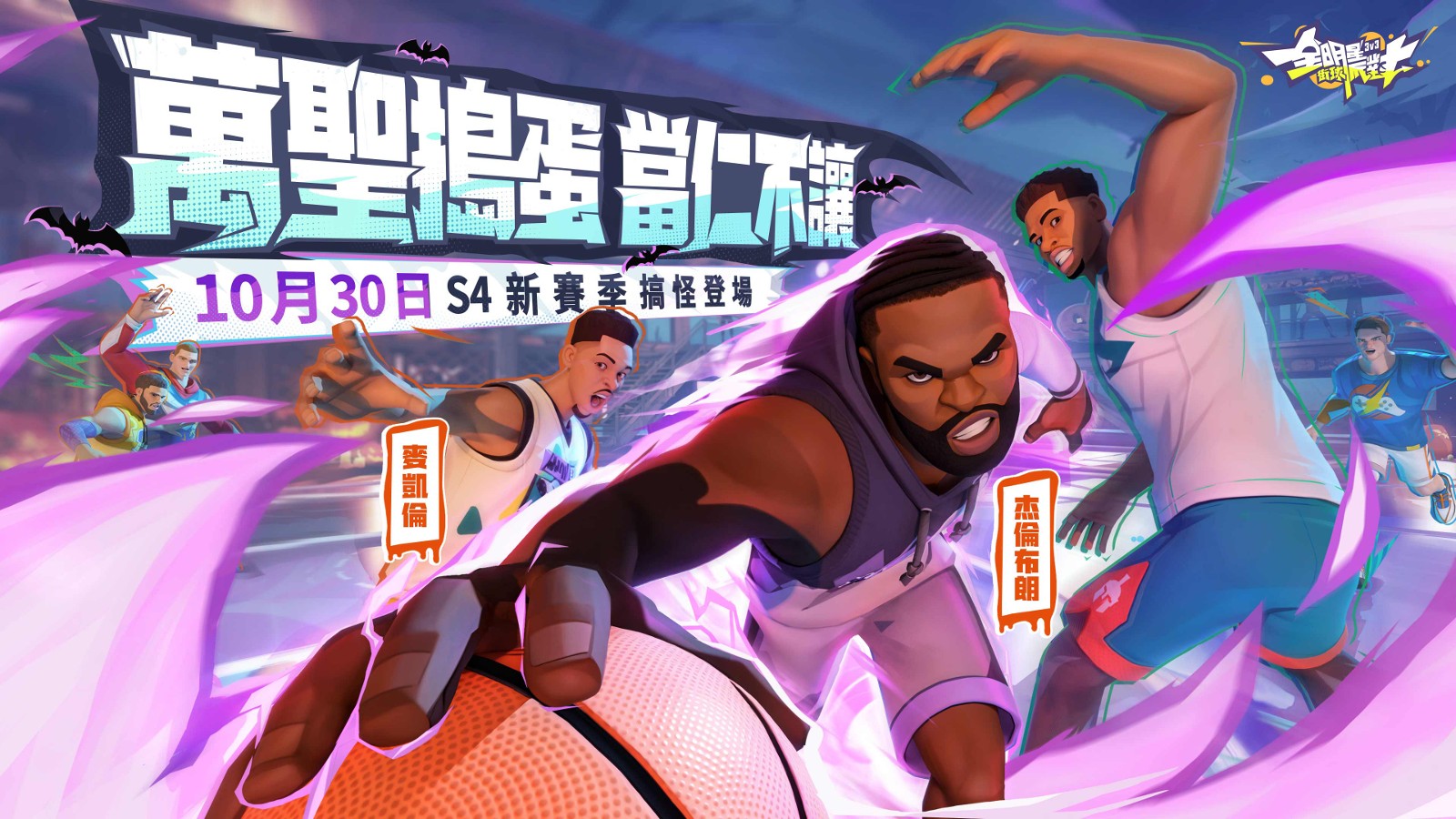
As a die-hard street basketball veteran, I’m obsessed with NBA All-Street Party! Developed by NetEase with official NBA licensing, this 3v3 mobile street hoops game blends realistic basketball action with authentic street culture perfectly, delivering an awesome competitive gaming experience. Whether you’re a total basketball newbie or a seasoned hoops fan, there’s something for everyone here.
I. Game Download & Initial Setup
A. Supported Platforms & System Requirements
NBA All-Street Party supports iOS and Android, and you can even play it on PC via emulators like BlueStacks. For the best experience, make sure your device runs iOS 11.0 or Android 8.0 or higher.
B. Account Creation & Login Process
When you launch the game for the first time, you’ll need to create an account. We recommend linking your Google, Facebook, or LINE account—it lets you save your progress easily and jump straight into multiplayer matches.
C. First Launch & Tutorial
The game has a comprehensive tutorial that walks you through basic controls, match rules, and player skills step by step. Once you’re done, you’ll unlock your starting players and in-game resources, setting you up for great sessions ahead.
II. Core Game Rules & Mechanics
A. 3v3 Match Rules
Each match features two teams of 3 players each. The goal is simple: earn more points than the other team before time runs out. Every game lasts 5 minutes, and the first team to reach 21 points takes the win.
B. 20-Second Shot Clock
Offensive teams have 20 seconds to take a shot before a shot clock violation is called, and possession switches to the other team if this happens.
C. 3-Point Line & Shooting Mechanics
There’s a 3-point line on the court—shots made from beyond that line are worth 3 points. Your shooting accuracy depends on player stats, distance from the basket, and defensive pressure from opponents.
D. 5 Player Positions & Their Roles
-
Point Guard (PG): The offensive playmaker. Their main jobs are distributing the ball and breaking through the defense to create plays.
-
Shooting Guard (SG): The go-to scorer, focused on outside shooting and putting up points consistently.
-
Small Forward (SF): The versatile all-rounder, equally strong on both offense and defense, able to play multiple positions on the court.
-
Power Forward (PF): The interior force, focused on scoring near the basket and fighting for rebounds.
-
Center (C): The paint dominator, in charge of blocking shots and grabbing defensive rebounds to control the key area.
E. Passing, Driving, Shooting & Defending Mechanics
The game offers various controls for passing, driving to the hoop, shooting, and defending. You’ll need to adapt to what’s happening on the fly to pull off the best plays and get a winning edge.
F. Fouls & Free Throw Rules
If a player commits a foul during a match, they get penalized accordingly. For example, if you’re fouled while making a layup, you’ll get a free throw opportunity.
III. NBA Superstar Characters & Player Features
A. Core Star Roster
The game has tons of NBA superstar characters, including LeBron James, Stephen Curry, Kevin Durant, James Harden, Luka Dončić, Nikola Jokić, and more. Each player has unique skills and stats, so you can pick the ones that fit your playstyle.
B. Player Recommendations
-
LeBron James: The all-around offensive powerhouse with insane driving and dunking abilities.
-
Stephen Curry: The 3-point king with deadly accuracy from beyond the arc.
-
Kevin Durant: The mid-range maestro with super consistent shooting touch.
-
James Harden: The offensive playmaker with top-tier passing and scoring skills.
-
Luka Dončić: The point guard leader who excels at controlling the pace and driving to the hoop.
-
Nikola Jokic: The king of Centers, a dominant force in the paint, with excellent rebounding and blocking abilities.
IV. Player Recruitment & Acquisition
A. Recruitment System Basics
Players can unlock new players via the game's Recruitment System. Common methods include using Supply Crates, Card Packs, and Star-tier Exchange Tickets. New players should figure out how each system works before jumping in!
B. Supply Crate & Card Draw Mechanics
Supply Crates can be obtained through various means: completing quests, hitting milestones, or buying them with in-game currency. Opening a crate gives random players or advanced resources, making it a great early-game way to beef up your lineup.
C. Star-tier Exchange Ticket Redemption Guide
Star-tier Exchange Tickets can be used in the Recruitment interface to exchange for players of a specific star tier. This method is more strategic than pure card draws—perfect if you want to lock in a specific tier of player.
D. Super Exchange Ticket Acquisition
Super Exchange Tickets are rare in-game items, mostly obtained by joining time-limited events, tackling high-difficulty dungeons, or completing special achievements. Keep an eye on official event announcements to not miss out!
E. Recruitment Rates & System Mechanics
Each recruitment pull has a set rate for higher-star players—nothing is 100% guaranteed. Plan your pulls based on your resource stockpile and the type of player you want, so you don't waste those precious items!
F. First Pull Player Recommendations & Strategy Tips
New players should prioritize picking players in positions like Center, Power Forward, and Shooting Guard for their first pull. These roles are easier to master, more consistent, and perfect for getting the hang of the game's rhythm.
G. First Pull Lineup Building Suggestions
For your first pull, aim for a balanced team like this:
-
Point Guard: Derrick Rose (Focus on playmaking, linking up your team's tactics)
-
Shooting Guard: Devin Booker (Accurate outside scoring, a reliable offensive output)
-
Small Forward: DeMar DeRozan (All-around offense and defense, multiple attacking options)
-
Power Forward: Julius Randle (Dominant inside play, efficient finishes at the rim)
-
Center: Clint Capela (Solid rebounding and defense, the backbone of your paint defense)
V. Player Leveling & Development System
A. Player Leveling Process
Players gain Experience Points (EXP) by playing matches and completing various quests. Once you’ve earned enough EXP, their level increases—boosting all their overall stats along the way.
B. Potential Essence & Potential Points Usage
Potential Essence is used to increase a player’s Potential Points, further boosting their stats like shooting, speed, defense, and more. It’s an essential item for mid-game development.
C. Honor System Accumulation & Benefits
Players earn Honor for performing well in matches. Once you accumulate enough Honor, you unlock extra stat bonuses, like attribute boosts or special skill effects. Make sure to get your main roster players on the court to earn more!
D. Talent System Bonus Mechanics
The Talent System gives players extra stat bonuses to boost their in-game performance. Different players have vastly different talent effects, so you’ll need to pick talent paths that fit each player’s role.
E. Fitness System Training Methods
The Fitness System boosts a player’s stamina, increasing their endurance throughout matches. This helps prevent performance drops in the later stages of a game, perfect for players who want to keep their team at peak form all game long.
F. Training Mode & Practice Matches
Players can practice controls and get familiar with player skills in Training Mode or Practice Matches. These modes have lower-difficulty opponents and reward EXP and resources—they’re great spots for new players to level up fast.
G. Street Rules Stage Challenges
Street Rules is an advanced challenge mode in the game. Completing it gives generous rewards, including rare items and high-star player shards. It’s recommended to form a team...
H. Priority Planning for Power-Up Investments
Players are advised to prioritize leveling up and upgrading skills for their core players. Core players are the backbone of your team—investing in them ensures your overall team strength, so don’t waste resources on bench players.
VI. Skill & Ability System
A. Active Skill Usage & Cooldown Mechanics
Every player has unique active skills, each with a cooldown after use. You need to use them strategically based on the game situation. For example, LeBron’s "All-Around Drive" can quickly shake off defenders and turn the tide, while Harden’s "Step-Back Three" is perfect for creating space and scoring from afar. Don’t waste your skills during their cooldown time!
B. Passive Skill Effect Analysis
In addition to active skills, every player has passive skills that activate automatically to give you an edge in matches. For instance, Kevin Durant’s (KD) "Clutch Shooter" boosts shooting accuracy, while Luka Doncic’s "Playmaker Master" makes offensive play calling smoother.
C. Ultimate Skill Classification & Timing
Every player has a powerful ultimate skill that can turn the tide in tight situations. Stephen Curry’s "Deep Three Volley" can land a game-winning shot, while Nikola Jokic’s "Paint Dominator" quickly secures rebounds in the key. To get the most out of ultimates, use them at the right moment!
D. Skill Level-Up Methods
You can increase a player’s skill level by leveling up their character or using skill upgrade items. Higher skill levels significantly boost the skill’s power, making your player more dangerous on the court.
E. Character Special Talent Attributes
Each player has a special talent attribute that grants extra bonuses. For example, LeBron’s "Iron Will" reduces turnovers when under defensive pressure, while Harden’s "Offensive Instinct" boosts his drive threat.
F. Badge Effects & In-Game Applications
Badges are a key system for powering up your characters, offering various stat boosts like shooting accuracy, defense, and more. This all depends on your overall strategy—picking badges that fit each player’s role will make them much more powerful.
G. Skill Combinations & Team Synergy
In *All-Star Streetball Party*, skill combinations and team synergy are the absolute core of the tactical system. Mixing different players’ skills often leads to unexpected, game-changing results. Pairing LeBron with KD, for example: LeBron’s sharp drives pull defenders out, then KD’s reliable mid-range jump shot creates open looks, making your offense super efficient.
H. Ultimate Skill Tactical Uses
In high-level matches, mastering the timing of your ultimate skills is the key to winning—never waste them randomly. You have to catch the opponent’s defensive blind spots: if they’re stuck in a tight zone, use Curry’s "Deep Three Volley" to break through; or if they can’t rotate defense fast enough, Harden’s "Step-Back Drive" will create scoring space. That’s how you make these ultimate abilities hit their full potential.
VII. Lineup Building & Tactics
A. Basic Principles of Lineup Construction
In *All-Star Streetball Party*, building a lineup is the core strategy that takes real planning. A balanced lineup lets you control both offense and defense without any weak points. When assembling your team, prioritize balancing offense and defense, and adjust your lineups based on the opponent’s play style to adapt to any situation.
B. Balanced Position Strategy
When building a lineup, make sure each position has clear, balanced roles: Point Guards (PGs) need to run the offense well and create plays for teammates; Shooting Guards (SGs) should have solid shooting skills as your go-to scorer; Small Forwards (SFs) and Power Forwards (PFs) need to be versatile, handling both offensive scoring and defensive rotation; For Centers (Cs), their main job is to control the paint, grab rebounds, and block opponents’ interior attacks.
C. Offensive Lineup Pros & Cons
Offensive-focused lineups rely on overwhelming firepower to crush opponents. They score quickly and can easily string together points, but their weakness is obvious: defensive rotation is weak, making them vulnerable to fast breaks and steals. This style works best if you like fast-paced play with drives and outside shooting.
D. Defensive Lineup Construction
Defensive-oriented lineups focus on controlling the game pace and limiting the opponent’s scoring. Players in these lineups typically have strong intercept, block, and rebound skills. They work well in slow, half-court battles, effectively suppressing the opponent’s offensive rhythm and making it hard for them to use their offensive advantages.
E. Mixed Lineup Balance Strategy
A mixed-attribute lineup combines the strengths of both offense and defense, allowing you to switch strategies flexibly based on real-time game situations. This type of team is super versatile—you can handle any style of opponent thrown your way. I highly recommend using them in high-stakes settings like Ranked Matches or Super Leagues, since opponents have such diverse playstyles; a flexible lineup is the key to success here.
F. Paint Control Team Tactics
A paint-control-focused team revolves around two core goals: securing rebounds and dominating the painted area. These lineups prioritize strong centers and power forwards, with the main focus being shutting down opponents’ inside play—whether that’s blocking shots on defense or winning rebound battles, to gain an edge and limit the opponent’s inside scoring chances.
G. Off-Ball Movement & Team Play
Off-ball movement is a crucial detail in offense. When you don’t have the ball, don’t just stand around waiting for a chance—move actively to find open spots where there’s a gap in the opponent’s defense to catch a pass and shoot. This not only disrupts the opponent’s defensive rhythm, but also creates more scoring opportunities for your teammates, making the entire offense flow smoother.
H. Initial Pull Lineup Optimization Tips
When you do your first pull, I suggest prioritizing a balanced starting lineup that includes at least one point guard, one shooting guard, and one center. This kind of lineup will help you quickly get familiar with the game’s rules, handle all kinds of matches from beginner to intermediate levels, and won’t get you stuck early on due to an unbalanced lineup.
VIII. Matches & Advanced Gameplay
A. Single-Match Flow & Pace
Every match is actually straightforward, divided into two main phases: offense and defense. During the game, you need to adjust your tactics on the fly based on what’s happening, and make the most of every player’s strengths. For example, if there’s a gap in the opponent’s defense, seize that chance to drive to the basket; if their defense is tight, consider using long-range shots to create openings.
B. Fast Transition Between Offense & Defense
In matches, the speed of transition between offense and defense is super important. When you successfully defend and grab the ball, you have to launch a quick counterattack immediately—use the gaps when the opponent hasn’t fallen back into position to score fast. This kind of efficient transition not only crushes the opponent’s morale, but also lets you take full control of the game’s pace.
C. Passing Essentials & Off-Ball Movement
When passing, keep an eye on the court’s vision and distance, pick the best passing path and timing, and don’t just pass to a teammate who’s being tightly guarded. At the same time, teammates without the ball need to move actively to open spots to catch passes—this kind of coordination will help you break through the opponent’s defense and create scoring chances effectively.
D. Defensive Steals & Blocks
On defense, steals and blocks are two key skills. When the opponent is passing, time your move to go for a steal; when they’re shooting, jump up quickly to block their shot. This not only helps you stop their offense, but also immediately turns it into your own offensive chance—delivering a devastating blow to the opponent.
E. Drive & Layup/Shot
Driving to the hoop is a super useful skill in *All-Star Street Basketball*. When there’s a gap or flaw in the opponent’s defense, you can try driving in and then laying up—this scoring method has a high success rate. Also, when doing a layup or shooting, pay attention to distance and angle, and pick the best moment to take the shot to increase your scoring chances.
F. Match Pace Control Tips
In matches, controlling the pace is key to taking the initiative. You can adjust based on your lineup’s strengths: if your team is defense-focused, slow the pace down and play steady; if it’s offense-focused, speed up the pace and use counterattacks to pressure the opponent. Flexible pace changes let you dictate the game, boosting your win rate. This is absolutely crucial! When your team is ahead, slow the pace down a bit—don’t rush your offense. If you’re falling behind, speed up the game to create more offensive chances. This way, you’ll not only take firm control of the game, but also limit the opponent’s performance effectively!
IX. Super League & Advanced Systems
A. Super League Mode Introduction
The Super League is the core advanced gameplay in *All-Star Street Basketball*—here, players can battle tougher opponents and quickly improve their game skills. After joining the Super League, you’ll also have the chance to unlock more exclusive players and great rewards!
*All-Star Street Basketball* is a street basketball game that combines competitive matches, strategic planning, and casual fun. Whether you’re a veteran basketball fan or a new player, you’ll find your own enjoyment here. We hope this guide helps you understand the game’s rules better and get better results in matches! Hurry up to challenge the strongest opponents and become the king of All-Star Street Basketball!